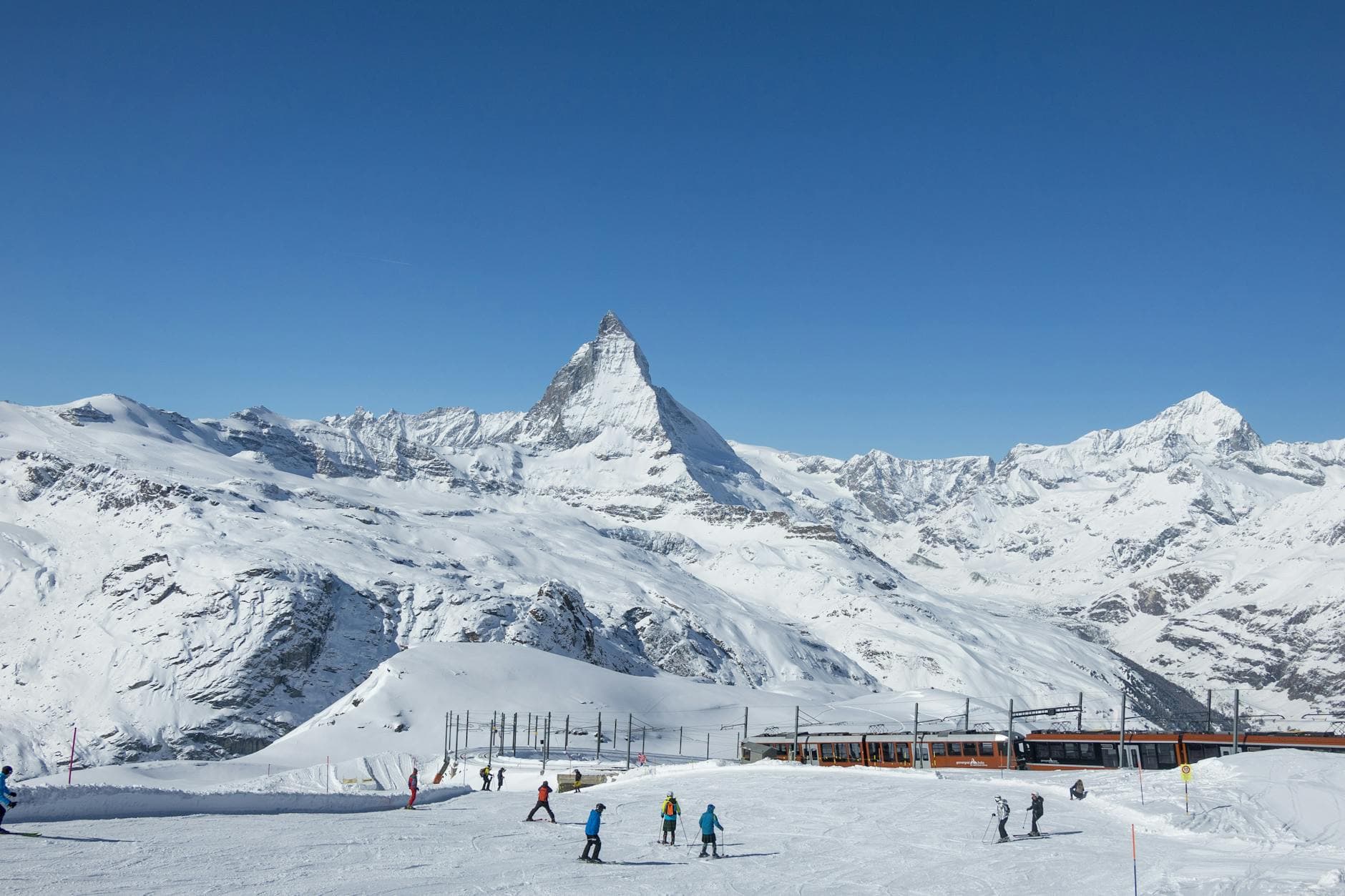
Always plan to be up early in july and ride the funicular to the glacier for the first light. That choice sets the tone for a clear day on the ice.
From the upper station you access dozens of runs, each with its own pitch, ranging from easy cruisers to challenging lines, which look pristine when the sun hits the snow. The surface remains firm in the morning and softens later, giving you reliable conditions for confident skiing and a quick check of your technique before the crowds arrive.
To reach the glacier you take the gondola and then a short chairlift, with the upper station open to panoramic views, which makes for a quick ascent and dramatic horizons. Tickets are available on-site, and a single pass covers the glacier area. Local guide alessandro, who knows the alpes and italy well, shares tips such as starting near Stellisee for sunrise photos and leaving time to pause for the Matterhorn silhouettes.
In july the glacier remains open only when snow conditions allow, with daily schedules posted and gear racks available near the exit. Bring sunscreen, a light layer, and a heart that loves alpine light; dont hesitate to swap to sunglasses at the top. You would notice the contrast of glacier blue against Matterhorn shadows, and the views from each run boast a character you wont forget. always carry water and sunscreen for a day on the glacier.
Where the air is crisp, the glacier still offers sun-drenched miles and opportunities for a quick ski session before lunch. The alpine panorama from the lifts and terraces is what makes Zermatt summer skiing unique, a place where you can combine thrills, panoramas, and the heart of the Matterhorn in one day.
Step 1: Take the first morning ride on the funicular to Glacier Paradise on Klein Matterhorn, and start on the panoramic pistes before 9:00. In mornings, youll find light ideal for photos and solid snow. Pack something warm and bring your skis so you can switch between areas quickly.
Step 2: Target high-alpine zones with cooler air and shade; dont chase heat, and prefer areas with stable surfaces. Youll ride mostly blue and red pistes to build confidence and avoid fatigue; keep wax fresh for better grip and smoother transitions, and choose routes that stay calmer than exposed south-facing slopes.
Step 3: Move between zones with the lift network; come back to the valley via the gondola and a short walk, saving time for a second session. If you want the summit view, ride to the summit stop for a panoramic moment, then descend to the shaded runs. This makes it easier to maximize time on pistes and would help you stack two short sessions in a day.
Step 4: End with a relaxed afternoon; talk to alessandro at the base for a local tip on a sheltered, great line that matches your level. If you come back for another morning, you can have something easy and plan the next day's time. This plan is a part of your winter-sun routine and lets you enjoy winter conditions with bright sun without overdoing it.
Opening hours in June typically run 08:30–16:30, with mornings often clearer; the times are updated daily at the station and on the official app. If youre planning a day on the glacier, arrive 20 minutes before departure to secure your seat and enjoy a smooth ascent with photo moments along the route.
Routes are straightforward: Zermatt valley station → Trockener Steg → Klein Matterhorn. From Klein Matterhorn you access the glacier slopes, with summer-only runs that run between late June and early September depending on conditions. For a quick photo stop, consider Schwarzsee, where you can look back toward the Matterhorn and capture a wide shot. The corridor between the valley and the glacier remains popular for its efficiency and scenery.
Glacier runs are marked blue and red, with example options including a gentle blue circuit that returns to the Klein Matterhorn station and a longer red run for more challenge. These views come with high-altitude light and expansive mountain panoramas, making the photo opportunities especially rewarding. This is a classic experience for sunny summer days.
Lift hours and frequency: in peak June mornings, gondolas operate roughly every 20–30 minutes; first departures around 08:30, last returns around 16:30–17:00 depending on weather. If you come with a pass, you can bundle glacier access with nearby lifts using a saas plan. Always check the updated schedule at the desk or the official guide, and monitor wind conditions that can shorten the window.
Compared with hintertux, Zermatt’s glacier area offers a shorter window but dramatic views; use this guide to structure a day: start with sunrise on the slopes, move to the higher run, then finish with a photo loop at Schwarzsee. This example shows how to balance runs and photo moments, and you can improve your day by checking the forecast the night before.
Start with mornings on the pistes between 08:00 and 12:00 in june, when the light angle reduces glare and the snow stays firm; then take a little break and resume 14:00–16:30 for softer light and smoother surfaces.
In the heart of summer, protection is the core of every operation on the glacier. Apply sunscreen SPF 50+ to face, neck, and any exposed skin, and reapply every two hours or after sweating. Carry a lip balm with SPF 30, and wear UV sunglasses or goggles with mirrored lenses to maintain sharp views of the summit and the mountains. A light, breathable layer helps manage temperature between shady sections and sunlit faces.
Local guide Alessandro emphasizes planning around the sun’s arc and checking the cloud cover in the mornings. On clear days, the glare from the ice can be harsher than in winter, so you would look for shade along the mountain routes and frequent breaks. Always carry water, and switch between pistes and freestyle zones to balance exposure, especially when you have a long day near the summit and on the whole glacier complex.
To minimize risk, plan around the summit sun angle by using the mornings for longer runs and the afternoons for shorter laps or café stops. Sometimes cloud cover reduces glare, but you should still wear protection, because UV levels stay high at altitude. Before you descend, scan for little patches of shade and choose routes with both sun and shade to protect skin and eyes while enjoying the views of the mountains and the Matterhorn.
источник safety notes from alpine health authorities reinforce these tips: protect skin, eyes, and lips, recheck weather and lift operation, and monitor wind that can affect glassy glare and snow conditions. The whole day can be rewarding if you balance between sun exposure and protection, look for shade during peak sun hours, and keep your energy up for a long, safe descent.
| Window | Sun exposure | Protection tips | Notes |
|---|---|---|---|
| June mornings | Moderate glare building to high | ||
| June afternoons | High glare, strong reflection | ||
| July–August mornings | High sun, variable cloud cover | ||
| Between windows | Moderate to low glare |
Begin at Sunnegga and ride the funicular for open early light that makes the Matterhorn pop in a photo. If youre chasing a clean silhouette, arrive near first light to capture the peak before clouds gather.
There are updated timetables and passes available, making the easiest plan to start at Sunnegga and then hop to nearby viewpoints. If you want variety, kaprun and other resorts offer similar angles for april light, outside of Zermatt’s core. Seeing the peak from several spots will fill your heart and experience, and you’ll have enough strong images to build a compact gallery around your trip.
Book your ski rental 48 hours ahead and youll lock in a boots-and-skis package that matches your height, weight, and skill level, saving you time when you open the shop on arrival.
Gear options include piste skis for fast summer runs, all-mountain models for variable snow, and summer-only setups designed for glacier pitches. Consider length guidance: longer will feel steadier on long pitches, shorter improves turning through tight corners; ask staff to pick a size around your height minus 5–15 cm. Boots should fit snugly with a comfortable flex; bindings should be DIN-adjusted to weight and boot sole length, and set well by the technician. A helmet and light gloves are common add-ons, and you can request poles sized to your height for proper balance on pistes.
Sizes: Boots use mondo sizing; adult ranges typically span 24.5–31.0. If you’re between sizes, choose the smaller with a thin sock and consider a tailor-made insole; bring orthotics so staff can adjust the boot bed. For long days, some people prefer a roomier fit, while others need tighter hold; you can try a brief walk in the shop to verify comfort, especially before you head to the base.
Pre-booking tips: reserve online, pick a pickup near the base or valley station, and confirm a late time option if you arrive after standard hours. Considering the summer-only window in the alpes, book early to ensure availability around cervinia, kaprun, and passo–these areas often see higher demand. Look for a clear cancellation policy and a reasonable deposit; bring ID and a credit card for the rental agreement, and ask for a quick photo of your gear before you head out to the piste. This is part of a well-planned day on the glacier.
Once you collect your gear, youll focus on great runs and the stunning views; youll look forward to the long days through the alpes, with cervinia and passo in reach for day trips and kaprun as a nearby option on an alpine circuit. Through the morning you can stay outside the crowds on the glacier, where guides map routes for different levels; you might meet people who share a love of photo spots and a short hike outside after a day on the base.
Get the combined Zermatt-Cervinia Matterhorn Glacier pass to access all pistes across both sides with a single ticket; it locks in the best routes and reduces transfer time. The funicular links the base areas, and chairlift lines connect the key zones, so youll cover more slopes without backtracking. Opening hours typically start around 08:30 and last descents roll in the late afternoon; check the day’s timetable on the Matterhorn Glacier Paradise site before you go. Theres a desk near the station where you can buy the pass, or you can handle it online and pick up at opening.
Safety first: wear a helmet, keep to pistes, and be mindful of crevasses on glacier sections; always follow the guide if you venture into off-piste or snowpark zones. Weather can shift quickly: sun on the terrace can feel mild, while higher winds make a cold outside feel biting; pack a thin layer and hydrate on breaks. On busy days, maintain a 2–3 meter distance in queues and stay within marked zones; dont ride higher lifts and head to sheltered spots below the tree line or the terrace cafe.
Weather patterns: mornings are usually clear with sun and blue skies; by afternoon clouds form over the Matterhorn and visibility can drop. UV is very strong, so sunscreen and sunglasses are necessary. In summer, temperature on the glacier changes with elevation; near the crevasse zones it can be near freezing, so bring layers and a light windbreaker. Wind can create chill even on sunny days; watch the forecast and adjust your layer plan accordingly. You can capture a photo with the peak behind you or from a terrace view, but plan when the light is best around mid-morning. Whether you ride in summer or winter, the basics stay the same on the glacier.
Although timings matter for crowd patterns, the best balance is to start on the earliest chairlift or funicular run, around opening, then take a lunch break on a sunny terrace. Theres a clear split: mostly locals and season pass holders move fast in the morning, while weekends bring longer queues. To keep things varied, ride different slopes and explore some lesser-known spots; dont linger on one route, and plan a photo stop at a different subject along the ridge to capture the Matterhorn from two or three angles. Youll find enough options to mix a short morning with a longer afternoon, and this experience becomes smoother if you map out a time buffer between lifts.
