

All Русский articles
Resorts & Destinations
Как выбрать горнолыжную куртку: советы экспертов по теплу, водонепроницаемости, посадке и комфорту
Leo WinterhartPublished December 19, 2025· Updated September 22, 2026 6 min read Русский
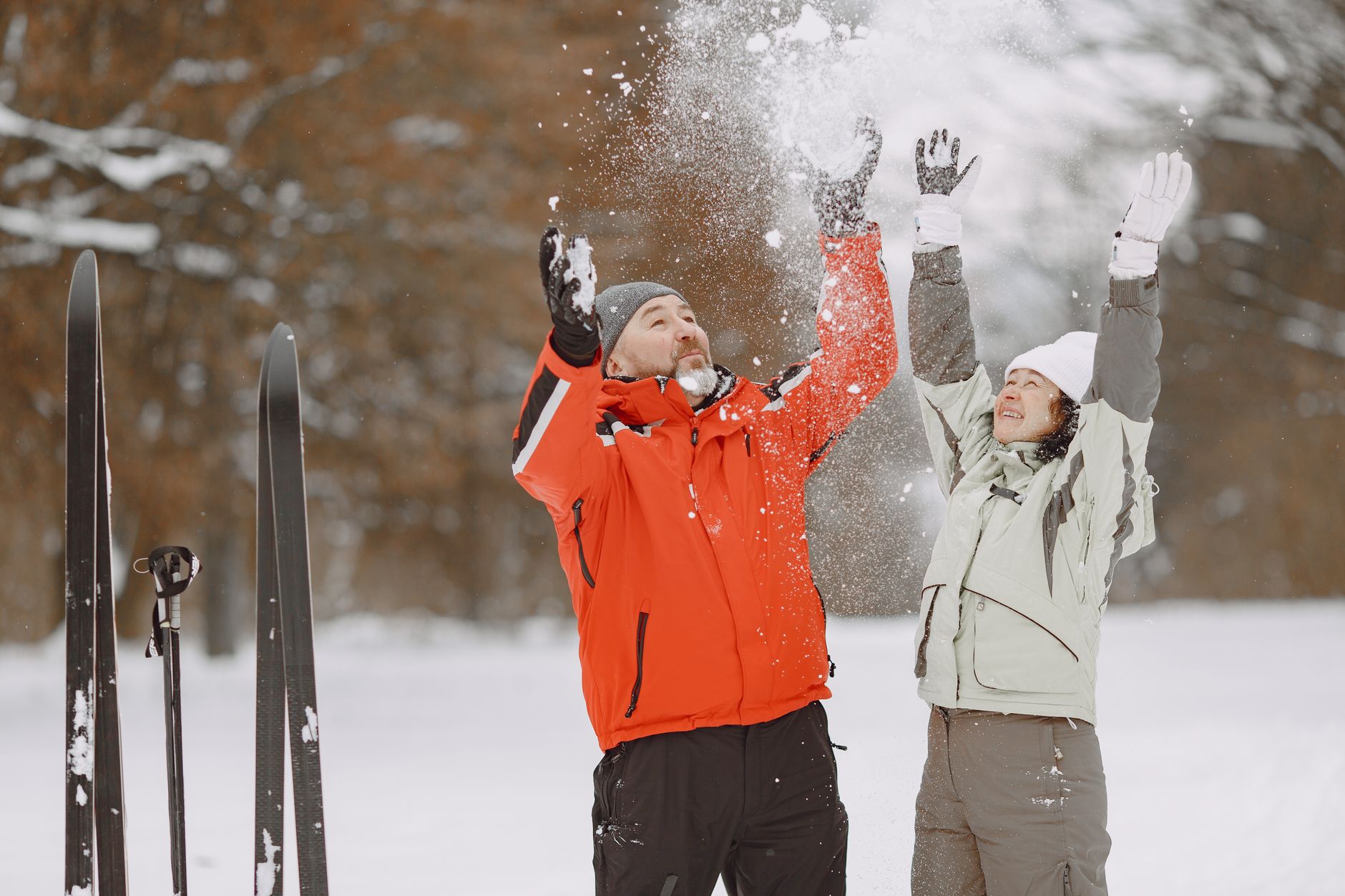
Начните с легкой, устойчивой к погодным условиям оболочки с двусторонними молниями; добавьте регулируемые вентиляционные отверстия, убедившись, что покрой подходит для среднего слоя из пуха, не сковывая движений.
На склонах выбирайте силуэт, который ровно сидит на плечах, чтобы сохранить мобильность при фрирайдных поворотах; многочисленные карманы обеспечивают доступ к пропуску, телефону или перчаткам, не подвергая корпус воздействию холодного ветра; стили варьируются от готовых для парка до ориентированных на туры, при этом лучший вариант становится вашей основной вещью по мере падения температуры, поддерживая тепло.
Защита от непогоды обеспечивается за счет проклеенных швов, прочного покрытия DWR и капюшона, блокирующего ветер; съемная изоляция или дышащая подкладка регулируют тепло без увеличения объема во время перепадов температуры, при этом она остается эффективной и в других погодных условиях.
В командном контексте выбирайте куртку со сцепляемыми слоями, обеспечивающими цельное тепло в холодные дни; вентиляция встроена при пиковых нагрузках. Пуховый утеплитель добавляет тепла при падении температуры, а дышащая оболочка предотвращает перегрев во время длительных поездок, не жертвуя защитой.
Вывод: Модульная, готовая к любым погодным условиям конструкция, состоящая из легкой оболочки, многочисленных вентиляционных отверстий и удобной для пуха многослойности, обеспечивает надежное тепло, защиту от сухости и удобство при изменениях погоды в парке, горах или при фрирайде.
Начните с полностью утепленной оболочки с регулируемым капюшоном; манжетами; низом. Базовый утеплитель около 60 г; рукава 40 г. Внешняя водостойкая ткань с проклеенными швами. Рекомендуемый диапазон температур: от -10°C до -25°C в горах. Идеально подходит для катания на лыжах.
Защита от воды: водонепроницаемая оболочка с герметичными швами; DWR покрытие; водостойкие молнии; капюшон, совместимый со шлемом; юбка от снега блокирует порывы ветра. В перерывах между штормами воздухопроницаемость различна; распределение веса имеет значение на длительных пробежках; в экстремальных температурах ключевым остается оставаться сухим, не перегреваясь; надежность оболочки выигрывает. Варианты включают пух или синтетический наполнитель.
Посадка и регулировка: ищите полную регулировку: регулируемые манжеты; низ; плечи; капюшон, совместимый со шлемом. Подкладка улучшает удержание тепла. Начинающие лыжники оценят покрой с дополнительным пространством в плечах и груди, чтобы обеспечить мобильность при альпийских спусках; удерживайте движение в безопасных пределах. Капюшон, который регулируется, остается удобным со шлемом; рукава остаются на месте во время поворотов. Этот вариант предлагает тепло без объема.
Стратегия покупок: посетите магазин до пика сезона; примерьте со средним слоем; осмотрите швы; убедитесь в возможности регулировки; размер капюшона совместим со шлемом; логика карманов подходит для однодневных поездок; длина рукава достаточна, чтобы обеспечить полное вытяжение во время спусков; подумайте о весе и объеме. При наличии двух вариантов выбор упрощается с помощью этой таблицы, которая позволяет сравнить две конкретные модели. Тем, кто часто катается на лыжах, требуются модели с супервентиляцией; это позволяет сравнить с многослойностью одежды. Просто проверьте движение со средним слоем, убедившись, что плечи свободно двигаются, а рукава остаются выше манжет.
Уход: стирать мягким моющим средством; хорошо прополоскать; сушить на веревке; повторно нанести пропитку после 30–40 циклов; хранить в межсезонье в подвешенном состоянии в сухом, прохладном месте; избегать попадания прямых солнечных лучей; освещение в СМИ иногда преувеличивает, но наличие долговечной отделки остается надежным. Избегайте озноба, правильно надевая слои одежды в холодные периоды.
| Характеристика | Базовый вариант | Премиальный вариант |
|---|---|---|
| Утеплитель | 60 г основной части; 40 г рукава | 120 г основной части; 80 г рукава |
| Подкладка | с подкладкой | с подкладкой; съемный внутренний слой |
| Оболочка | водоотталкивающая | водонепроницаемая мембрана; проклеенные швы |
| Регулировка | базовые манжеты; фиксированный низ | регулируемые манжеты; регулируемый низ; плечи |
| Вес | ~1,1–1,4 кг | ~1,5–2,0 кг |
| Цена | $180–$260 | $360–$520 |
Гибридный утеплитель – лучший универсальный выбор для различных условий в горах; он поддерживает постоянное тепло тела, а в зонах, подверженных воздействию влаги, используется синтетический наполнитель, что позволяет вам оставаться в тепле во время длительных подъемников и ожидания билетов. Этот прочный, легкий слой остается гибким благодаря эластичным манжетам, защищенным плечам, застежкам-молниям и компактному силуэту для перемещения между склонами без лишнего объема.
Определите, какой тип лучше всего подходит для вашего распорядка дня: занятия для начинающих на огороженных территориях, дни в парке или долгие дни в горных походах; выбирайте между легким теплом, управлением влажностью и возможностью упаковки. Это не универсальное правило, но оно повлияет на производительность здесь, на подъемниках, во время спусков и при сильном ветре в горные утренние часы.
Выбирайте мембрану 20k/20k в местах с частыми сильными дождями; длительное воздействие требует более высокой защиты от воды; вариант 10k/10k обеспечивает надежную защиту при меньшем весе.
Рейтинги, такие как 10k/10k, показывают гидростатический напор около 10 000 мм; MVTR около 10 000 г/м2/24 ч; баланс определяет, когда сохранение сухости кожи становится приоритетом по сравнению с отводом пара; тот же рейтинг подразумевает сопоставимую защиту между брендами, упрощая сравнения; потребности различаются в зависимости от местоположения, вида спорта, условий.
Типы мембран включают GORE-TEX, eVent, Dermizax; ламинированные конструкции отличаются воздухопроницаемостью, водостойкостью; герметизация швов имеет значение; некоторые полагаются на микропористые каналы; другие полагаются на гидрофобную диффузию; материалы включают нейлон, полиэстер, гидрофобные полимеры.
Что показывают этикетки: гидростатический напор около 10 000 мм; MVTR около 10k г/м2/24 ч; более высокие показатели означают суперпрочную защиту; защита сильнее, чем у хлипких оболочек, требует большего веса; отличная надежность в штормовых условиях; компромисс включает вес, объем, контроль температуры; более низкие показатели подходят для динамичных занятий на свежем воздухе в более теплых местах.
Существуют специальные ламинаты; некоторые легче; пребывание на открытом воздухе в течение длительных сеансов требует управления весом; это влияет на длину низа, функциональность манжет, доступ к карманам; выберите длину низа, позволяющую установить обвязку или рюкзак; гладкая внешняя поверхность уменьшает зацепление за щетку; редкие задачи по управлению водой обеспечивают долговечность материалов.
Стилистические приоритеты соответствуют практическим потребностям; простая настройка остается практичной при переходе к функциональности; свободные бедра обеспечивают пространство для среднего слоя; облегающие манжеты имеют эластичные застежки; низ на шнурке регулируется; капюшон, подходящий для шлема; точки крепления.
Оставьте заявку — и мы пришлём персональное предложение под ваши даты. Одно окно вместо десяти вкладок: снаряжение, трансфер и авто подобраны и согласованы заранее.