Polski
  English (UK)
  Deutsch
  Français
  Русский
  Türkçe
  Українська
  Italiano
  Português
  Español
  العربية
  日本語
日本語  简体中文
简体中文  한국어
한국어  Čeština

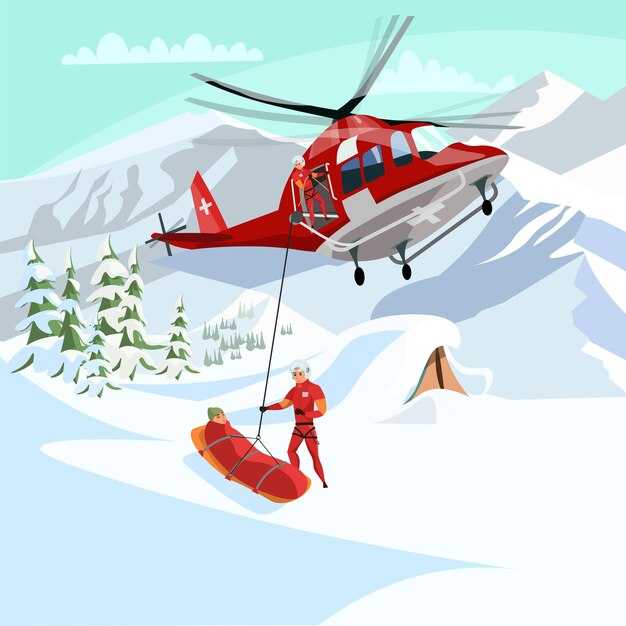 Heli-Skiing 101 – Debunking Common Myths" >
Always hire a certified guide and follow the safety instructions before you ride heli-skiing. A strong safety approach means the rider selects runs that match current snowpack and weather, keep risk lower than guessing, and ensure you have time to enjoy each descent. This intro to smart powder days emphasizes that safety comes first and planning pays off.
Myth: heli-skiing is only for fearless daredevils. Reality: operators tailor terrain to ability, offering intro options and controlled exposure. Expect 4–6 runs per day, with verticals from about 1,500 to 4,600 meters depending on snow and weather; you can choose easier or more challenging lines, either option keeps safety in focus, than chasing myth.
Keep gear ready: avalanche beacon, probe, shovel, and a helmet; consider an airbag backpack if your operator offers them. based on field data, using transceivers reduces search time by up to 30% in a rescue scenario. Ensure your beacon’s battery is fresh, and you know the program for the day. Bring spare gloves, sunscreen, and water to stay composed while moving over the mountains.
Weather and helicopter time cap how many runs you can complete. If wind picks up or light fades, operators may cancel a flight or reduce runs to keep safety margins; you cant push through with poor visibility. Expect 3–5 hours on the hill and 4–6 runs when conditions cooperate, so you can stay energized and finish strong.
Sure, heli-skiing offers unforgettable lines, but keep expectations realistic. Have a clear plan, stay flexible, just plan and keep the group aligned with the safety margins, and you’ll enjoy the best experiences while staying safe.
Heli-Skiing Myths Debunked: Practical Clarity and Real-World Q&A
Pick a private heli-skiing operator with seasoned guides and a concise safety briefing, then plan a day that keeps youre ready for every run. Pack meals for between runs and maintain steady hydration to stay sharp in the air and on the snow.
One myth is that you need to be an elite skier to ride heli-skiing. The reality is that common itineraries fit a wide range of levels; guides adjust lines to your condition and confidence, so you can advance at a pace that feels awesome without overexertion.
Every trip offers clear options: some runs are easier, others more challenging, and you can choose routes that fit your mood and skill. While terrain may look intimidating, with the right guides and simple safety checks, you stay in control and keep the day fun for anyonе who loves snow and speed.
Weather shifts can slow a plan, but operators routinely recheck conditions and adjust flights. If conditions worsen, expect a cancellation or a switch to a private plan for another day. There there is no reason to rush–the focus stays on safety, comfort, and a solid experience you can remember as an awesome memory with friends or family.
Real-World Q&A to cut through myths and set a practical pace for your day:
| Question | Answer |
|---|---|
| Is heli-skiing safe for a first-timer? | Yes, when you pick a private operator with trained guides, a thorough safety briefing, and terrain chosen to your condition. Start with a mellow plan and let the guides manage the flight sequence and avalanche risk checks. |
| What should I pack and prepare? | Layered clothing, helmet, beacon, probe, shovel, hydration, snacks, and meals. Arrive ready for altitude and a day that may include 4–6 helicopter drops and 4–6 hours on snow. |
| How do you handle intimidating terrain? | Guides pick routes that match your level. Tell them your comfort, and you can ride with them or pick a safer line. With clear communication, the terrain stays awesome and approachable for any skier. |
| Are helicopters loud or uncomfortable? | Modern helicopters reduce noise with damping tech, and pilots follow strict flight paths to keep riders comfortable. The ride is part of the overall experience, not a distraction from the snow and scenery. |
| Can beginners join if they have some uphill experience? | Yes. Accessible terrain and professional instruction let a wide range of backgrounds participate. Some prior experience helps, but you can progress quickly with guidance and practice between flights. |
| What if weather changes? | Operators monitor conditions at every stop and adjust flights. If needed, they cancel or shorten the day and offer a reschedule, keeping you in the loop and ready for the next window. |
Is heli-skiing suitable for first-timers?
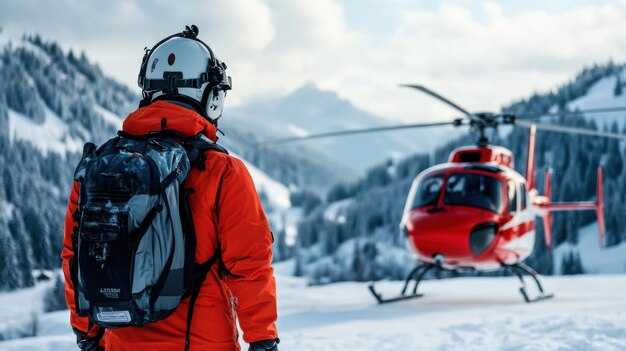
Yes – first-timers can try heli-skiing when they enroll in a beginner-friendly program backed by a capable team and clear safety guidelines.
You might start on gentle pitches and move at a comfortable pace, with terrain chosen based on your level. The majority of operators tailor routes so that anyone new to heli-skiing stays within safer lines while gradually expanding exposure. Snowboarding enthusiasts and skiers can participate, as the program adapts to your background. The vast selkirk locations and other ranges offer diverse options, and theres a strong safety culture with pre-briefings, radios, and emergency plans. The team will provide safety gear and training, and this thing helps ensure you stay in a controlled zone as you learn. If you’re a skier, you’ll find options that fit your style; for snowboarding enthusiasts, there are parallel routes and briefings. If you want a slower start, you can choose gentler routes than steeper ones, or opt for either approach later, whichever you prefer; this balance keeps safety front and center. For many, heli-skiing delivers an awesome experience, and vast terrain can be appreciated by skiers or snowboarders alike.
To make it work well, bring your own confidence and ask what is provided. Bring essential gear such as layers, goggles, and a helmet, and confirm what the operator will supply. This part of the experience focuses on technique, communication, and gradual exposure, so anyone can progress as skiers or snowboarders. The program is designed for your comfort and always aims to keep pace with your readiness, so you wont feel pressured, and you can adjust the pace with the guide. The team will explain how the move between zones works and ensure you understand safety signals before each flight.
- Choose a program designed for beginners, with terrain rated for your level and a learning-oriented pace.
- Ask what is provided by the operator – avalanche gear, radios, helmets, and briefings – and confirm there are gentler options.
- Bring your own layers and personal gear, while the program provides core safety equipment and trained guides.
- Discuss your goals with the team to ensure skiers and anyone in your party move together safely and can adjust plans if needed.
What gear and training are actually required?
Get a proper safety kit and complete a guided instruction program before your first heli-skiing runs. If youve never skied or boarded in backcountry terrain, start with a beginner-friendly package that pairs heli access with on-slope coaching.
There are two main paths to gear: rent the core items from the operator or bring your own tuned kit, based on your comfort and the operator’s policy. This approach addresses needs for safety, mobility, and stamina on long days of high-altitude snow.
- Avalanche safety kit: avalanche transceiver, probe, and shovel; consider an airbag backpack; practice beacon searches with a partner.
- Helmet and protection: CE-certified helmet that fits with goggles; ensure secure strap and comfortable fit.
- Comms and rescue basics: two-way radio or satellite messenger; whistle; know your rescue procedures.
- Mobility gear: skis or snowboard sized to your height and weight; snug boots with stable bindings; daypack 20–30 L for gear, water, and extra layers.
- Clothing system: moisture-wicking base layers, insulating mid-layers, and a waterproof, breathable outer shell; gloves, hat or balaclava, sunscreen, and lip balm.
- Snowboarder specifics: consider stance width, binding angles, and protection that suit turning style; check equipment compatibility with your guide.
- Logistics and lodging: confirm if lodging packages include gear rentals or shuttle service; some programs bundle lodging with guides and flights for a smoother trip.
Training plan to prepare for heli-skiing
- Fitness foundation: 3–4 sessions per week, 6–12 weeks before your trip; emphasize leg strength (squats, lunges, step-ups), core stability, cardio, and balance work.
- Avalanche education: complete AIARE Level 1 or equivalent; review daily forecasts and practice companion rescues with transceiver, probe, and shovel.
- On-snow skills: refine edge control, speed management, and short-turn drills on gentler terrain; progress with your guide’s instructions and pace.
- Guided sessions: book with operators that emphasize first-timers safety; initial days should stay in controlled zones with a guide supervising all moves.
- Snowboarding vs skiing: snowboarders focus on stance and turning transitions; skiers work on weight transfer and edging; both groups should start with easy lines and increase gradually.
- Jump and terrain decisions: practice controlled, small jumps only when the guide confirms safe conditions; avoid improvising on risky features.
- Altitude habits: arrive a day early if possible, hydrate well, and pace activities to reduce fatigue during heli flights.
- Lodging integration: coordinate training days with your lodging–some options include pre-trip clinics, gear checks, and safety briefings as part of the package.
Right gear and solid prep reduce risk and boost enjoyment on heli-skiing adventures. If you follow these steps, you’ll be able to move confidently through the mountains and keep pace with the sport’s demands, even as conditions change.
What costs are involved and what’s included in a trip?
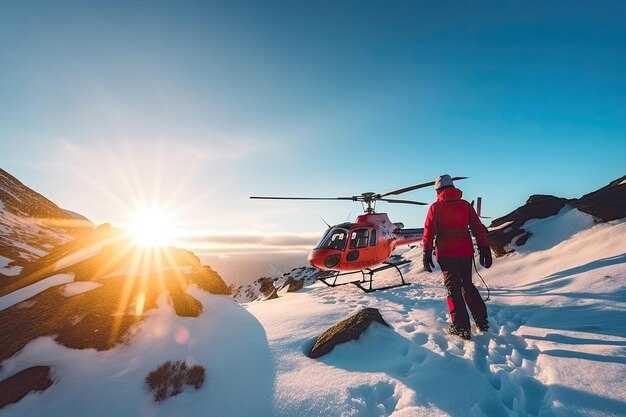
Book a private, all-inclusive package to simplify costs and maximize your time on the mountain. A heli-ski trip typically runs 3–7 days, with 4–6 runs per day when conditions cooperate, offering a broad range of lines. Your booking should state a fixed price per person or per group that covers professional guides, safety gear, and transfers from the airport to lodging. There’s no guesswork about what lands in the package, and there’s less risk of hidden fees down the line; thats the value of an organized itinerary that brings everything together from arrival to departure.
What’s included and what costs to expect: The base price includes lodging, meals, airport transfers, and guided heli time within the day’s plan. Rentals cover safety gear–beacons, probes, shovels–and helmets, plus essential outerwear as needed. An intro safety briefing happens each morning and the professional crew lands you to safe locations. Choose a schedule where the day flows smoothly from first lift to return. après options such as a catered dinner or a hot tub session are available as amenities, bringing that apres vibe into the trip. Extra costs come from additional helicopter hours, private lodging upgrades, single-room supplements, private guiding, and optional photo/video packages. booking with one operator helps youve avoid fragmented pricing and there’s return transfers and check-out logistics handled, so youve got a single, clear bill. thats why many guests choose a turnkey package, which keeps everything in one place and reduces the intimidating factor of a first trip. Locations vary by season and by range of terrain, so you can choose lands you want to explore.
How do avalanche risk, terrain, and weather shape the day?
Check the latest avalanche forecast and weather, then shape your plan for the day around the safest terrain your groups can access.
Risk evolves with fresh snow, wind loading, and sun exposure. Forecasts use a 1–5 scale (Low, Moderate, Considerable, High, Extreme). If the rating is Moderate or higher, avoid steep leeward slopes and cornices, and choose routes with easy escape options. After a storm, the first 24–48 hours carry the most risk on wind-loaded slopes; during those times, expect activity on slopes between 30 and 40 degrees. This intro to day planning helps you prepare. Once you set the plan, heliboarding teams rely on the forecast to decide where to go; youre part of that process.
Terrain choices matter: vast terrain gives many options; prefer routes with multiple exits and clear stop points, avoid avalanche-prone features like convex rolls, open gullies, and corniced ridges, and keep to zones with room to retreat if instability rises.
Weather factors shape the day: wind loads drift snow onto lee slopes; visibility dictates route options; temperature swings affect slab strength. Tracking these cues can become second nature after a few years.
Plan with safety in mind: work with staff or private guides; during holidays expect increased groups on the same terrain, so maintain spacing and use a common radio channel. Bring avalanche beacons, probes, and shovels, plus a first-aid kit and extra layers. This intro also helps those new to heliboarding. Keep a check-in at lodges, review the image from the day, and adjust the plan; if youre able, a private guide can tailor routes to your sport-level and mind state. With years of experience, best teams pace themselves to stay within safe limits and ensure you have the confidence to return year after year.
How to pick a reputable operator and ask the right safety questions?
Verify licenses and safety programs before you book. youve got to confirm the operator is fully licensed, insured, and provides a written safety program that is reviewed annually. A majority of reputable heliboarding services publish these details on their site and in a pre-trip guide, so you can compare options and be sure youve chosen properly. They describe safety above standard expectations and include contact details for local rescue services.
Ask about tenure and crew experience: how long have guides and pilots worked with the operator? Typically, operators publish the average tenure and the mix of guides who lead runs in varying conditions. Look for teams with frequent field time – a low turnover helps you feel confident when conditions change, while the snow is still and visibility is limited.
Prepare a set of questions for the pre-trip safety briefing. Common topics include avalanche training (AIARE), CPR/first aid, rescue gear, comms, and weather monitoring. Ask how decisions are made to skip a run and how the crew communicates risk during the day. Ask whether the operator provides a printed safety guide or instructions for guests, and whether you can see a sample before holidays or peak season so you are not worried about gaps. If there are two options, either one works, but pick the plan with the best risk controls.
Logistics and gear: bring your own beacon, shovel, probe, helmet, and warm layers, and confirm what the operator provides as part of the service. Review meals and rest breaks during longer camps, and whether meals are eaten at a shelter or on the hill. If you are in a busy period during holidays, verify staffing levels and backup plans so you can expect steady support on every day you ski.
On the day, stay engaged: listen to instructions, observe how a guide communicates, and verify there is a formal safety check before each run. If you are worried or feel intimidated, speak up early; a reputable operator will walk you through the forecast, the plan, and the rationale behind each decision. You have the right to ask questions and compare options so you jump to confidence rather than doubt.