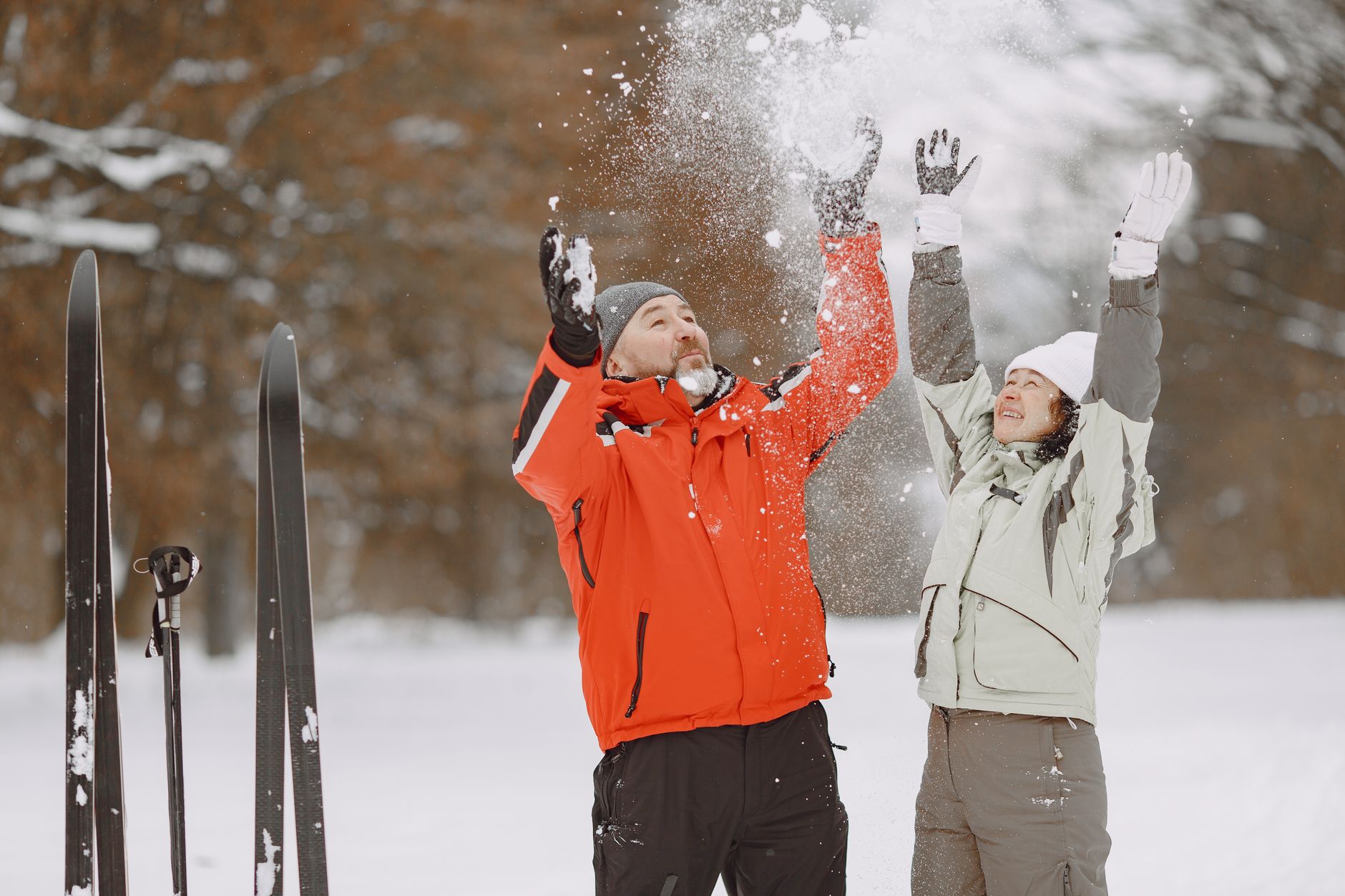
Begin with a lightweight, weather-resistant shell with two-way zips; add adjustable vents, ensuring its cut accommodates a down mid-layer without restricting movement.
On the slopes, consider a silhouette that sits square across shoulders to maintain mobility during freeride turns; multiple pockets provide access to pass, phone, or gloves without exposing the core to cold wind; styles range from park-ready to touring-focused, with the best option becoming your go-to piece as temperature drops, maintaining warmth.
Weather protection relies on taped seams, a durable DWR finish, plus a hood that blocks wind; removable insulation or a breathable liner modulates warmth without bulk during temperature swings, while it remains effective in other weather variations.
In a team context, choose a jacket that comes with linkable layers, enabling single-piece warmth during cold days; ventilation when activity peaks is built in. Down insulation adds warmth when temperature falls, while a breathable shell prevents overheating on long rides without sacrificing protection.
Bottom line: a modular, weather-ready setup built with a lightweight shell, multiple vents, plus down-friendly layering delivers reliable warmth, dry protection, and ease across weather changes on park, mountain, or freeride activity.
Insulated Ski Jacket Selection: Practical Guide for Warmth, Waterproofing, Fit, and Comfort
Begin with a full-insulated shell featuring adjustable hood; cuffs; hem. Core insulation around 60g; sleeves 40g. Exterior water-resistant with taped seams. Recommended temps range: -10°C to -25°C in mountains. Ideal for skiing days.
Water protection: waterproof shell with sealed seams; DWR finish; water-resistant zips; hood compatible with helmet; powder skirt blocks gusts. Between storm sessions, breathability varies; weight distribution matters in longer runs; in exposed temps staying dry without overheating remains key; shell reliability wins. Options include down or synthetic fills.
Fit and adjustability: seek full adjustability: adjustable cuffs; hem; shoulders; helmet-compatible hood. Lined interior improves heat retention. Beginner skiers benefit from a cut with extra space in shoulders and chest to allow mobility through alpine runs; keep motion within safe bounds. A hood that adjusts remains comfortable with a helmet; sleeves stay in place through turns. This option offer heat without bulk.
Shopping strategy: visit a store before season peak; try with a midlayer; inspect seams; verify adjustability; hood size compatible with helmet; pocketing logic suits day trips; sleeve length adequate to allow full extension through runs; reflect on weight and bulk. Deciding between two options becomes easier with this table; lets you compare two specific models. Those skiing often require super-vented models; this lets you compare against clothing layering. Just test movement with a midlayer; making sure shoulders move freely; sleeves stay above cuffs.
Care: wash with mild detergent; rinse well; line-dry; reproof after 30–40 cycles; store throughout the off-season hanging in a dry, cool area; avoid direct sun; media coverage sometimes exaggerates, but having durable finishes remains reliable. Escape chills by layering properly during colder periods.
| Feature | Baseline option | Premium option |
|---|---|---|
| Insulation | 60 g core; 40 g sleeves | 120 g core; 80 g sleeves |
| Lining | lined | lined; detachable inner layer |
| Shell | water-resistant | waterproof membrane; taped seams |
| Adjustability | basic cuffs; fixed hem | adjustable cuffs; adjustable hem; shoulders |
| Weight | ~1.1–1.4 kg | ~1.5–2.0 kg |
| Price | $180–$260 | $360–$520 |
Warmth Options: Down, Synthetic, and Hybrid Insulation Pros and Cons
Hybrid insulation is the strongest all-around pick across variable conditions on the mountains; its core heat stays elevated while moisture-prone zones use synthetic fill, keeping you warmer during long chairlifts and lift ticket waits. This built, lightweight layer stays flexible with elastic cuffs, shoulders protected, zip-through closures, and a compact silhouette for moving between slopesall without bulk.
- Down insulation
- Pros
- Super warm per gram; ample loft yields warmth with minimal bulk.
- Lightweight; compresses under shells; built to stay compact on chairlifts, during time on the mountains.
- Excellent heat retention when dry; performance remains steady in long runs near mountains; works well beneath shells in in-bounds terrain.
- Loft recovery is strong over time; mens sizing helps a precise fit around shoulders, chest, knees, bottom.
- Zip-through pockets reduce heat loss during breaks; care follows label to preserve loft.
- Cons
- Moisture reduces loft; isnt suited to wet climates unless paired with a waterproof outer layer.
- Loses insulation when damp; requires thorough drying after snow days.
- Higher price; sourcing ethics matter; bulk increases when exposed to dampness.
- Pros
- Synthetic insulation
- Pros
- Retains warmth when damp; performance time stays strong with moisture present.
- Durable; easier care; machine washable; often more affordable than down.
- Breathable enough for long park sessions; comfortable beneath shells during beginner days.
- Good insulation value in wet snow; bottom layer remains comfortable; suitable under outerwear with ample mobility.
- Mens sizing options available; zip-through cuffs support motion; face protection stays warm.
- Cons
- Heavier per warmth relative to down; lower warmth‑to‑weight ratio overall.
- Loft recovery slower; long‑term performance may degrade with repeated washes.
- Bulkier; can feel stiffer on slopesall sections; price typically lower than premium down.
- Pros
- Hybrid insulation
- Pros
- Best compromise between warmth, weight, and moisture resilience; core down placed where dryness is more common; synthetic in moisture risk zones (shoulders, chest, collar).
- Lightweight; ample loft where needed; performance remains steady across time on mountains.
- Shells with zip-through pockets maintain ventilation without fuss; fits mens lines with precise shoulders and hips.
- Bottom edge placed to seal drafts; prevents heat loss when stationary on park benches or chairlifts.
- Care simpler than pure down; can be worn beneath park gear without bulk.
- Cons
- Cost higher than single-material options; bulk may exceed ultra-light designs.
- Placement of materials crucial; misplacement reduces warmth in knees, face, or bottom zones.
- Quality varies by model; some require attentive care to keep down from migrating between zones.
- Pros
Determine which type will best suit your routine: beginner sessions in in-bounds zones, park days, or long days on backcountry trips; choose between lightweight warmth, moisture handling, and packability. This isnt a universal rule, yet it will influence performance here on chairlifts, during slopesall sessions, and in heavy wind on mountain mornings.
Waterproofing vs. Breathability: Understanding Ratings (e.g., 10k/10k) and Membranes
Opt a 20k/20k membrane in locations with frequent heavy rain; prolonged exposure requires higher water protection; a 10k/10k option delivers solid protection with lower weight.
Ratings such as 10k/10k reveal hydrostatic head around 10,000 mm; MVTR around 10,000 g/m2/24h; balance guides when keeping skin dry becomes priority versus vapor release; same rating implies comparable protection across brands, simplifying comparisons; needs differ across locations, sports, conditions.
Membrane types include GORE-TEX, eVent, Dermizax; laminated structures differ by breathability, water resistance; seam sealing matters; some rely on microporous channels; others rely on hydrophobic diffusion; materials include nylon, polyester, hydrophobic polymers.
What labels show: hydrostatic head around 10,000 mm; MVTR near 10k g/m2/24h; higher figures mean super strong protection; greater protection than flimsy shells requires heavier weight; great reliability under storm conditions; trade-off involves weight, bulk, temperature management; lower figures suit high-pace outdoor activities in warmer locations.
Specialised laminates exist; some are lighter; staying outdoors for long sessions calls weight management; this affects bottom length, cuff functionality, access to pockets; choose a bottom length that allows room to mount a harness or pack; a smooth exterior reduces attachment snagging on brush; rare water-management tasks keep materials durable.
Style priorities meet practical needs; simple tuning remains practical while shifting to function; loose hips provide room a mid-layer; fitting cuffs feature elastic closures; bottom hem adjustable via drawcord; helmet-friendly hood; attachment points at wrists and hem support gloves, goggle strap, pack integration; trap moisture at cuffs rarely remains if ventilation is used.
Temperature management remains essential; thats staying comfortable relies on micro vents, lined interiors; weight distribution from materials built around hips; staying fresh in active locations requires moisture-wicking layers.
Fit and Layering: Trying On with Base Layers and Mid Layers in Mind

Begin with base layer top plus bottom sized to allow ample air between layers; add mid-layer in synthetic polyester; warm, breathable levels regulate moisture, heat, allowing dive movements with power; shell above delivers waterproof protection on wet slopesall; water exposure tests help gauge seam integrity; note points of potential rubbing at underarm and seams to ensure comfort.
Prioritize shoulder width, chest flatness, sleeve length; test underarm seams for rub points; verify knee and elbow ranges translate to real movements; ensure base layer stays neat at waist during overhead reach, twists, squats; space remains for a mid-layer without compressing; sleeve length reaches above wrists to avoid exposure.
Decide mid-layer thickness by locations, season; spring mild days call for a lighter option; cold mornings demand a thicker piece; target ample breathability, quick-drying synthetic materials such as polyester; minimize the amount of bulk while maintaining warmth; ensure the mid-layer compresses beneath a waterproof shell without restricting knees or internal sleeves.
During try-on, monitor internal temperature regulation between torso, back; feel for moisture buildup at underarm zones while testing; verify seams lie flat, pockets positioned to avoid interfering with poles or movements; consideration of personal preferences such as stylish silhouette, length, height above hip; deciding pocket locations to support knee bending across slopesall; another factor: a base undergarment system that wont restrict circulation; skirts should be avoided as bulk around hips.
Weather-Proof Details: Seams, Zippers, Pockets, and Powder Skirts

Select jackets with fully taped seams, water-resistant zips plus storm flaps offer maximum protection; aim at light, flexible shells; some models use down insulation to regulate heat.
Seams that are fully taped stay dry in heavy spray; 15–20mm tape offers reliable seal, even around shoulder seams. In past seasons, leakage reached the interior quickly; a single drop of water during a test should bead off when the seam tape remains intact.
Zips must be water-resistant, with a storm flap covering the teeth. Prefer YKK Aquaguard, reversed coil, or hidden slides; test by sliding with gloves on; keep snow from entering around the slider.
Pockets matter: chest pockets high, sealed zips, water-resistant surfaces; interior sleeve pocket holds phone; internal pass-through enables goggles; cuffs with zip closure seal. On groomed runs, keep tools accessible.
Powder skirts seal the gap between jacket and pants. An adjustable drawstring, interior silicone grip, plus a compatible interface with pants when encountering deeper powder; a removable option aids travel.
후드 디자인은 헬멧을 수용하면서 밀착력을 유지해야 함; 밑단에 드로우스트링 조절끈; 작은 챙은 얼굴 주변으로 떨어지는 눈을 막아줌; 뺨 주변은 바람이 거의 들어오지 않도록.
출처 보온성은 핏, 통기성, 봉제선 무결성에 따라 달라짐; 숙련된 테스터들은 일반적으로 레이어드 보온 옵션을 갖춘 재킷 선호; 땀 관리는 유지 관리와 함께 중요한 역할 수행; 기온이 떨어지면 정사각형 옷장에 보관.
내구성과 관리: 원단 품질, 탈부착 가능 부품, 세척 요령
강화된 어깨, 강화된 팔뚝, 봉인된 솔기, 후드와 같은 탈부착품, 내부 안감, 소매 지퍼로 수명 연장을 구현한 겉옷. 탈부착품을 통한 수명 연장을 지향하여 실용성을 개선합니다.
마모에 강한 내구성 있는 원단 종류를 찾으십시오. 멤브레인은 통기성을 유지하면서 방수 기능을 유지합니다. 어깨, 팔, 겨드랑이와 같은 마모 부위를 주요하게 고려해야 합니다.
소프트쉘은 적당한 활동 시 유연성을 제공하며, 통기성을 유지하면서 긴 수명을 기대할 수 있습니다. 부드러운 외부 표면은 내마모성이 뛰어나면서도 공기 흐름을 허용합니다. 스키 시즌에는 날씨 변화가 빠르게 찾아옵니다. 이러한 구성은 변화하는 환경 속에서 움직임을 지원합니다.
후드, 라이너, 소매 등 탈부착이 가능한 부분은 활동에 맞춰 조절할 수 있게 도와주며, 추운 날씨에는 미드 레이어를 내부에 덧댈 수 있습니다.
세탁 전, 주머니를 확인하고 비우십시오; 지퍼를 잠그고 뒤집으십시오.
찬물로 돌리는 드럼 세탁기를 사용하고, 중성 기능성 세제를 사용하여 세탁하십시오. 섬유 유연제는 사용하지 말고, 충분히 헹구십시오.
직사광선을 피해 자연 건조하고, 라벨에 건조기 사용이 가능하다면 저온으로 건조하십시오. 깨끗한 테니스공을 넣어 볼륨감을 되살리십시오.
일부 모델은 앉아 있을 때 바람을 막기 위해 스커트 같은 밑단이 있으며, 이러한 스커트는 움직임을 돕습니다.
20~30회 세탁 후 발수 스프레이 재처리, 스키 시즌 동안 야외 사용 후, 날씨 변화에 따라 발수 성능 유지.
어깨, 팔, 겨드랑이 패널의 마모를 관찰하십시오. 주머니 근처에서 원단이 얇아지는 것을 발견할 수 있습니다. 이러한 약한 부분은 솔기 수리 또는 패치가 필요합니다.
생활 관리: 깨끗하고 건조하며 지퍼가 잠긴 의류를 넉넉한 공간에 보관하십시오. 막 손상을 막기 위해 압축을 피하십시오.
라벨에 기재된 관리 지침을 따르십시오. 전문적인 관리가 거의 필요하지 않습니다.
How to Choose a Ski Jacket – Expert Tips for Warmth, Waterproofing, Fit, and Comfort" >