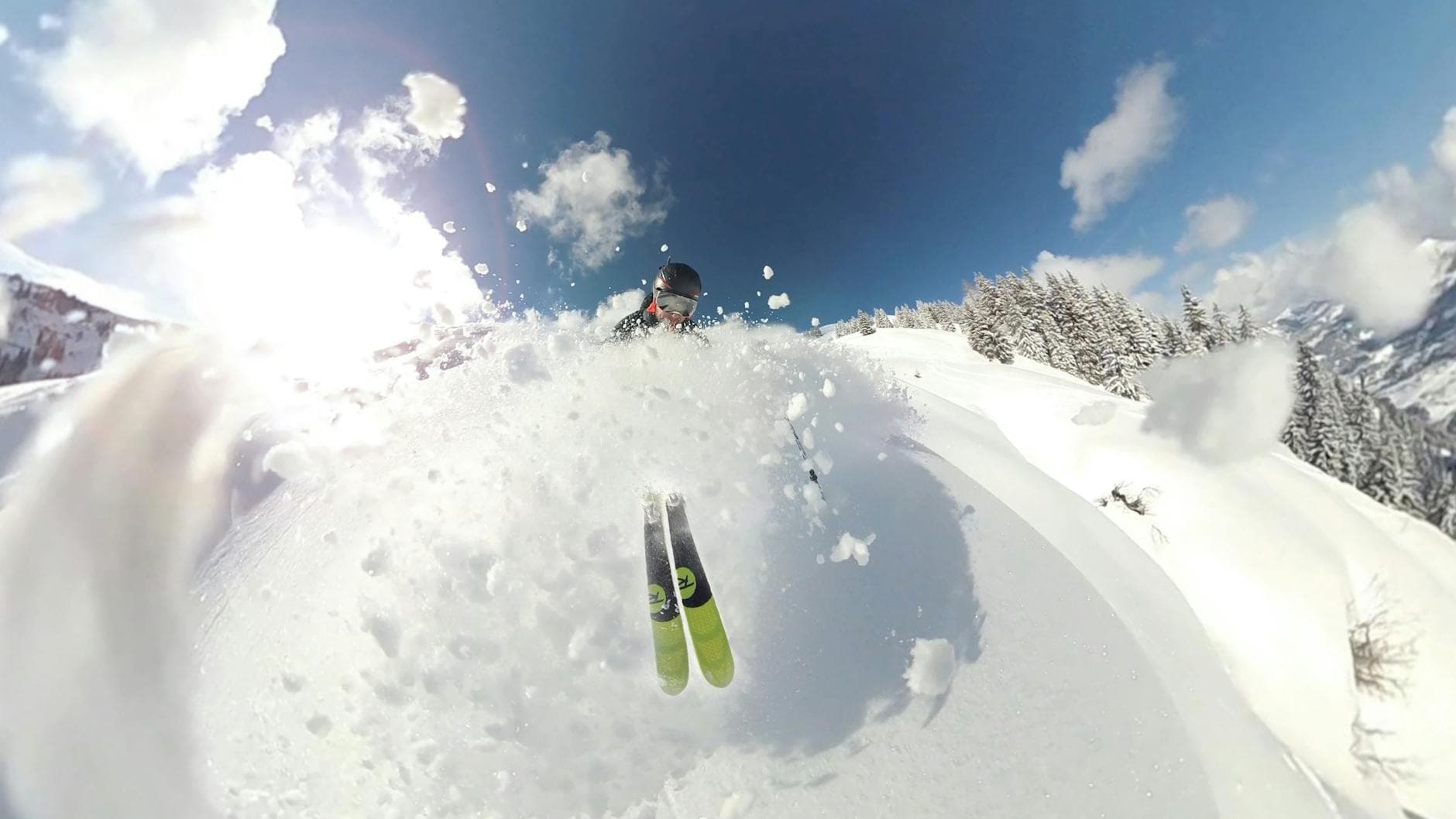
더욱 강력한 스키를 위한 5가지 스키 운동 – 균형, 근력 & 지구력

182
~ 14분.
더 강한 스키를 위한 5가지 스키 운동 – 균형, 근력 & 지구력더욱 강력한 스키를 위한 5가지 스키 운동 – 균형, 근력 & 지구력" >

A로 시작하며 10분 다이내믹 웜업은 균형 감각을 높이고, 다리를 강화하며, 지구력을 향상시키는 동시에 전반적인 체력을 증진하는 5가지 스키 드릴을 위한 준비 단계입니다. 엉덩이와 발목의 가동성 운동으로 시작하세요. 어깨, 그런 다음 실행합니다. 6-8 제어된 활성화 반복. 세트 사이 휴식은 심박수를 높게 유지하기 위해 30~60초로 짧게 가져갑니다. 이 시점부터 다음 접근 방식은 슬로프로 연결되는 실질적인 움직임을 안내하고 도움을 줍니다. 보내다 에너지를 현명하게 사용하세요.

연습 문제 1 – 회전 리치와 함께 한다리 균형 잡기. 위에 서세요 들어올린 다리, 무릎은 부드럽게, 엉덩이는 수평으로. 코어에 힘을 주고 어깨 척추를 똑바로 세우십시오. 반대쪽 팔을 앞쪽으로 뻗은 다음 발을 안정적으로 유지하면서 서 있는 다리 쪽으로 제어된 회전 비틀기를 수행합니다. 끝 범위에서 2~3초 동안 유지한 다음 홀드에서 돌아옵니다. 하십시오. 3 세트30-45초 측면 당, 휴식 30초 측면 사이의 균형을 유지합니다. 균형이 안 맞는다고 느껴지면 뻗는 거리를 줄이고 지탱하는 다리에 힘을 빼세요.

연습 문제 2 – 불가리안 스플릿 스쿼트 앞으로 살짝 기대는 자세를 취합니다. 뒷다리는 들어올린 뒷발은 높은 표면에 올리고 앞발은 평평하게 유지합니다. 각도 형성 무릎까지 와서 보호 관절, 엉덩이를 똑바로 유지하고, 어깨 골반 위에 쌓습니다. 앞쪽 다리를 밀어 lift 몸을 제어하면서 천천히 내립니다. 수행하십시오. 3 세트8-10 다리당 횟수, 포함 60–90초 휴식을 취합니다. 몸통이 무너지지 않도록 가슴과 시선을 정면으로 유지합니다.

연습 문제 3 – 로테이셔널 프레스를 동반한 교대식 측면 런지. 옆으로 물러나 런지 자세를 취하며 엉덩이를 뒤로 빼고 무릎이 발가락 위에 오도록 유지합니다. 가장 낮은 자세에서 몸통을 바깥쪽 무릎 방향으로 회전시켜 회전 제어와 허벅지 내전근 참여를 훈련합니다. 일어선 후 반대쪽도 반복합니다. 3 세트12회 반복 측면 당, 60초 휴식. 옆으로 움직이는 것은 설상 전환을 반영합니다. 제어력을 유지하고 무릎을 뻗지 마십시오. 통증이 있으면 무리하지 말고 멈춰서 조절하십시오.

연습 문제 4 – 플랭크 번갈아 다리 들기. 팔뚝 플랭크 자세에서 한쪽 다리를 땅에서 몇 인치 들어올린 후 1~2초 동안 유지하고 내린 다음 다른 쪽 다리로 반복합니다. 이 운동은 둔근과 코어를 강화하여 지지합니다. 각도 형성 하중을 받는 동안 관절이 회전 시 안정적으로 유지되도록 돕습니다. 3 세트10–12 각 측면 당 횟수, 45–60초 rest.

Exercise 5 – Sideways plyometric hops (skater taps). From a slight athletic stance, push sideways with the feet, landing softly to absorb shock. Focus on controlled breathing and landing mechanics; avoid knee collapse. Do 2–3 sets20–30 seconds or 12회 반복 per side. On landing, roll the ankle softly to absorb impact, and carry the motion into the next rep.

Practical plan for balance, edging, and rotational control in Pivot Side Slips

Begin with a fixed outside-foot stance, weight over the outside ski, and a quiet torso. Keep your shoulder line toward the fall line and your arms slightly forward to stay inside the movement. Use gravity to help the edge, then initiate the slip with a small shoulder rotation while the feet stay calm. This simple setup gives you a reliable starting point for the same sequence in every repetition.

Season planning and progression: begin with a steady conditioning pace and build endurance for the period. Some sessions focus on the left leg to balance symmetry, while others mix left and right pivots to maintain consistency. The same drill flow helps you lift the inside leg, hold the edge, and finish with a controlled rotation of the upper body.

  1. Weeks 1–2: Balance and edge hold. 3 sets per side, 8 repetitions per set, 60 s rest. Aim for a 2–3 s hold on the edge at the end of each rep. Keep the shoulder line stable and the arms forward.
  2. Weeks 3–4: Edge angulation and tempo. Increase to 3 sets of 10 reps, edges at 12–18 degrees. Use a slower start and a deliberate lift of the inside knee to cue the pivot.
  3. Weeks 5–6: Rotational timing. Add a deliberate shoulder initiation cue and maintain a forward arm position. Do 3 sets of 12 reps, 60 s rest, focus on a smooth chain from edge to pivot.
  4. Weeks 7–8: Full integration and conditioning. Combine edge work, rotation, and speed control. Perform 4 sets of 12 reps per side, simulate slope pressure, and track where you keep the limit of control without losing balance.

3 Pivot Side Slips: Setup, stance, edge engagement and rotation sequence

Set the outside ski edge early and initiate rotation from the hips, keeping the body stacked over the stance leg and the shoulders quiet.

Position your feet shoulder-width apart, with the weight balanced between both feet and the knees softly bent about 15–20 degrees. Let the arms stay outstretched for balance, and keep your gaze across the terrain ahead. This setup keeps the legs active and prepares the edge engagement for a clean pivot side slip.

As you begin the pivot, shift weight toward the outside foot and roll the ankle into the edge while maintaining strong angulation at the knees and hips. Maintain a controlled tilt so the outside edge stays in contact and you feel the ski press into the turn. The inside knee should stay flexed and under the hip, not collapsing inward; hold the edge as you move through the slip and prepare to re-align for the next phase.

The rotation starts with the hips: rotate the pelvis toward the direction of travel, then allow the shoulders to follow while the chest remains across the slope. Keep the forearms and hands quiet to prevent over-rotation, and let the outside foot drive the connection to the snow. Initiate, hold, and then smoothly re-center to the new stance, using the foot and leg to guide the pivot across the body.

During a session on varied terrain, maintain balance by spending more time on the outside edge and using deliberate angulation to manage cross-slope forces across the skis. Focus on a gradual stretch through the inside leg to preserve length and prevent loss of control. The goal is continuous edge contact while the body travels across the slope, with the stance adapting to changes in terrain and speed.

Drill progression for this movement: start with a stork balance hold on each leg for 15–20 seconds, then progress to pivot side slips with small steps. They should be trained in 3–4 sets per session, focusing on slow, controlled movements before increasing speed. This approach builds strength and confidence, enabling you to initiate and hold the sequence smoothly as you spend the season on the mountain.

Edge engagement cues: initiating and maintaining control through each pivot

Begin the pivot by engaging the inside edge at the start, driving pressure from your center to the point where the turn begins. Keep your center over the new edge as you rotate and maintain that balance through the edge transition to prevent sliding and late-edge loss. This cue works across terrain and sets a reliable path for the sequence, whether you’re on a green slope or a steeper line.

During setup, align your shoulder and hips to face the direction you’re moving. Those muscles along the outside leg stabilize the frame while the inside leg supports control. Dont lift the inside heel; instead, keep a little bend in the ankle and maintain pressure through the edge to bite into the bottom and hold the edge from start to finish.

Where the friction meets the snow, the edge angle should be driven from the center rather than the knee alone. Acting from the center, point your ski tip and adjust the side of the foot so the edge carves rather than skids. During the turn, length and tilt determine how the edge engages; for other terrain, tweak the angle slightly but keep the center stable so the cue remains consistent.

Practicing a structured sequence helps improve technique across the season. Begin with short, focused sessions on green runs, then extend the length of each edge hold as confidence grows. Also use coach feedback or video to fine-tune the cueing and keep bookings for on-slope clinics. In beginning drills, stay centered, maintain the edge, and great results follow as you build control through each pivot.

Balance drills: ankle, knee, hip stability on varying terrain

Balance drills: ankle, knee, hip stability on varying terrain

Begin with five minutes of ankle, knee, and hip stability work on a firm surface, keeping their lumbar neutral and their feet apart. Maintain weight across the middle of the feet, with the arches gently lifted, and practice short pauses to feel joint control.

Drill 1 – Ankle control on varying terrain: Stand on one leg for 30 seconds, switch sides. On a firm mat, progress to a foam pad to simulate uneven ground across the surface. Keep the ankle joint aligned, knee tracking over the toes, and let the lifted leg act as a stabilizer. Complete five sets total per side, resting 30 seconds between.

Drill 2 – Knee angulation under load: From a standing position, bend the knee to a shallow squat (50–60 degrees) while maintaining a level pelvis and neutral lumbar. Move the knee slightly inward on one rep, then outward on the next, across five repetitions per side. Maintain bottom alignment over the middle of the foot; stop at the limit before form degrades.

Drill 3 – Hip stability through lateral steps: Place a resistance band around the knees. From a feet hip-width apart position, take five outward steps to each side, staying tall and keeping the lumbar region stable. The goal is even weight across both hips and preventing pelvic tilt.

Drill 4 – Dynamic balance with weight-shift on an unstable surface: Stand with feet shoulder-width apart, shift weight from forefoot to heel across small ranges for 20–30 seconds, maintain lifted arches, and keep the bottom of the foot connected. Use a foam pad or balance mat to heighten proprioceptive input. Alternate every 20 seconds for five rounds.

Drill 5 – Pole-assisted balance traverses: Hold a lightweight pole in each hand, shoulders relaxed, and perform five short steps in one direction, then five back, maintaining a steady pelvis and weight centered over the feet. This simulates a skier’s stance across varying terrain and helps develop correct angulation and weight transfer.

Plan across days: most sessions run five days with a focus on technique, then progression. Day 1–2 emphasize static control on flat ground; Day 3–4 add uneven surfaces; Day 5 tests a gentle slope with longer holds. Spend 15–20 minutes daily, learning from each drill, and log notes to track improvements their ski ers can feel as they spend days applying the pattern across different terrains. Avoid relying on balance machines early on; they should learn to sense subtle shifts across the joints and maintain alignment with feet under their hips.

Strength progression: targeted lower-body and core routines for ski power

Begin with a four-week progression: three sessions weekly, each 60 minutes, targeting these: lower-body strength and core control with anti-rotation work to boost ski power. Your goal is cleaner turns and quicker load response, translating to better balance time on snow.

Lower-body foundation: Week 1-2: 3×6-8 back squats; 3×6 Romanian deadlifts; 3×8-10 Bulgarian split squats per leg (left and right); 3×8-12 hip thrusts. Finish with 2×60-90 seconds farmer walks with moderate weight to train grip and core connection. In Week 3-4, push to 80-85% of 1RM or add 1-2 reps where possible. Use a 0.5-second pause at the bottom to improve control and reinforce knee alignment, so the chain from foot through hip to waist supports the torso on every rep.

Core and anti-rotation: Pallof press 3×8-12 per side; dead bugs 3×12; side planks 3×30-45 seconds. Keep chest tall, brace the waist, and pull the navel toward the spine. Keep the upper body engaged through the entire sequence. Imagine a line from head to pole; these cues engage the inside and outside chain to resist rotation and improve control against lateral forces on snow.

Unilateral and balance drills: walking lunges 3×8 per leg; step-ups 3×8 per leg; single-leg Romanian deadlifts 3×6-8 per leg. Focus on foot placement, inside knee alignment, and keeping pelvis level. Maintain a clear drive from the hips; to challenge timing, perform with a 2-second descent, 1-second pause, 1-second rise. Avoid dragging the trailing foot; push through the entire foot and keep weight on the outside foot when loading the stance. Use a pole for balance and to simulate pole plants. Left-right symmetry matters; alternate legs so both sides reach equal time under load.

Progression rules: increase weight by 2.5-5% every two weeks if reps complete cleanly; keep time under tension around the main sets; if you hit a plateau, swap to tempo sets (2 seconds down, 1 pause, 1 up) and add an extra set. Only push when form stays solid; this approach keeps the focus on control and power transfer to the bottom stance during turns.

On-snow practice: 2-3 short sessions weekly, 20-30 minutes, focused on stance and weight transfer; what to cue? Keep chest up, hips level, and weight centered over the mid-foot; with practice the inside/outside chain work translates to more powerful, stable turns. Practicing these drills off-snow heads toward more powerful skiing; the time on snow becomes more productive.

Endurance and form maintenance: tempo sets, pacing, and recovery strategies

Endurance and form maintenance: tempo sets, pacing, and recovery strategies

Start with a tempo block: 4 x 5 minutes at a steady, comfortably hard pace; recover 2 minutes between intervals. Maintain efficient form: core engaged, chest up, shoulders relaxed, hands light, knees bent, with hips underneath your shoulders to keep solid angulation. Spend the first minute dialing in the movement around each turn, then carry that pattern through the entire block. This basics approach builds endurance while protecting form for the whole day on the mountain.

For pacing, treat the session as a steady chain from bottom to top: from the lift of the leg to the rotation of the trunk, each segment should stay controlled. Sure, this approach keeps you aligned with your plan and maintaining efficiency through their turns. Normally you should feel a smooth rhythm; if you notice your legs dragging or your back rounding, ease the pace 5–10% and return to clean technique. Use heart-rate or RPE targets to stay in the desired zone and practice keeping the upper body quiet while your legs drive the movement. Skier feedback at the points of contact (foot, shin, knee, hip) helps with separating momentum from form, especially through turns around short straights and longer arcs. When youre trained, you can adjust where the form breaks and still keep the chain moving.

Recovery strategies include active rest and a few form checks. Here, between intervals, perform 60–90 seconds of easy activity: light jog, brisk walk, or cycling, keeping the hips stable and the core engaged. Use this time to run through quick checks: is your bottom stable, are your glutes firing, and is your stance balanced? During longer rests, add a short stork balance drill (30 seconds per leg) to reinforce ankle stability and core control. This maintains neuromuscular connection without letting the body shut down. Plan these drills into the workout so you spend those minutes productively and avoid just sitting.

Block 지속 시간 강도 초점 신호 복구
템포 주기 A 4 x 5:00 최대 심박수의 80~90%(운동자각도 7~8) 코어 힘, 곧은 척추, 무릎 각도 유지, 손은 가만히, 다리는 굽히고; 턴은 제어하며 2:00 余裕
회복 훈련 휴식 시간 2:00 낮음 움직임을 유지하고 휴식 시간에는 황새 드릴로 전환합니다.
재사용 대기시간 5–10분 낮음 자세, 호흡, 그리고 어깨 이완에 집중하세요 없음
Leave a comment

Your comment

Your name

Email
