

All Français articles
Resorts & Destinations
Le ski au Chili - Les meilleures stations de ski des Andes pour la poudreuse et les panoramas
Leo WinterhartPublished December 5, 2025· Updated September 17, 2026 9 min read Français
Commencez par Valle Nevado pour la poudreuse et un accès facile depuis Santiago. Considéré par de nombreux riders comme le meilleur point d'entrée des Andes au Chili, Valle Nevado se situe près de la capitale et offre un terrain compact qui convient aux débutants et aux intermédiaires. La neige est exceptionnelle, les remontées mécaniques efficaces et les pistes commencent en dessous de 3 000 mètres. Il existe également un réseau de lodges et de navettes sur la montagne, et vous ne manquerez pas de choix pour un séjour confortable en famille ou un week-end rapide.
Au-delà de Valle Nevado, la cordillère centrale abrite La Parva et El Colorado, un trio connecté qui permet de repérer facilement différentes lignes le même jour. L'altitude maintient la fiabilité de la neige, le soleil brille souvent sur les pentes orientées à l'est, et le mélange de terrains convient à tous les niveaux. Si vous voulez une ambiance de station classique et de longues pistes, Portillo vous offre une taille et une échelle distinctes qui plaisent aux skieurs plus expérimentés, même les week-ends chargés.
Nevados de Chillán se distingue par un climat différent : des pics volcaniques, des cuvettes bordées d'arbres et de longues pistes. La neige peut s'y accumuler en poudreuse profonde et les pistes s'étendent sur de larges cuvettes avec des vues sur les vallées boisées. La région est idéale si vous souhaitez un rythme plus détendu et une base plus basse, avec de nombreuses possibilités d'excursions d'une journée et des itinéraires de ski hors-piste de renommée mondiale lorsque les conditions le permettent.
Pour un plan pratique, envisagez un circuit qui relie les régions susmentionnées en un seul voyage. Les politiques d'annulation varient selon les stations, alors vérifiez les options à l'avance et gardez un œil sur les fenêtres météorologiques favorables. La scène gastronomique dans les bases et les refuges de montagne propose des plats chiliens copieux et une cuisine internationale, de sorte qu'il y en a pour tous les goûts. Si vous souhaitez un programme flexible, un séjour de deux à trois nuits dans chaque région vous donne amplement le temps de profiter des pistes et de vous détendre, et vous pouvez adapter vos journées aux conditions sous la limite des neiges.
Les skieurs américains qui recherchent des options de stations dans toute la région doivent noter que le Chili offre certaines des zones de poudreuse les plus fiables des Andes du Sud. Il y a beaucoup à explorer, avec une distinction claire entre les stations du nord autour de Santiago et la zone de Chillán au sud, et cette variété vous aide à choisir la base qui convient le mieux à vos préférences : près des villes pour des escapades rapides, un accès facile après un court vol, ou nichée dans une vallée plus isolée. Les options sont considérées par de nombreux voyageurs comme un choix parfait pour une escapade hivernale qui combine montagne, cuisine et vues à couper le souffle.
Planifiez votre séjour de ski au Chili ici, à Corralco : vous pouvez souvent trouver de la poudreuse dans le sud des Andes, avec deux zones qui définissent des frontières claires et une navigation facile. Les forêts environnantes encadrent les pentes ouvertes, créant un environnement riche et convivial pour tous.
Altitude et pistes : la base se situe entre 1 700 et 1 900 m environ, le sommet près de 2 100 à 2 300 m, offrant un dénivelé d'environ 550 à 700 m. La station propose environ 25 pistes desservies par deux remontées mécaniques, ce qui la rend accessible aux débutants et aux intermédiaires.
Meilleur moment : pendant l'hiver chilien, le mois d'octobre devient souvent une fenêtre de poudreuse printanière après les tempêtes venant du sud.
Possibilités de combiner avec d'autres destinations : travaillez avec un agent local pour adapter un forfait qui combine Corralco avec d'autres destinations du sud. L'itinéraire combiné fonctionne bien pour tout le monde et peut inclure des séjours dans la région de Pucón, ainsi que des excursions d'une journée vers les sites touristiques à proximité.
Les voyageurs en provenance du Canada trouvent à Corralco une alternative intéressante à d'autres destinations, avec un terrain accessible et moins de monde. Ici, vous pouvez planifier un séjour qui équilibre les journées de poudreuse et les pauses avec vue sur le lac, en trouvant une grande valeur dans l'expérience globale.
Contrastes nordiques : comparé aux zones nordiques, ce site uni, exposé au sud, offre une texture de neige différente et un réseau de pistes compact, facile à repérer et à planifier en une seule visite.
Prenez la remontée principale jusqu'à la crête supérieure pour accéder immédiatement à une première poche de poudreuse, ce qui vous fera gagner du temps et vous permettra de tracer une ligne de haute qualité dès le départ, avec environ 275 mètres de dénivelé à exploiter.
De là, trois itinéraires accessibles par remontées mécaniques offrent régulièrement des poches : une cuvette de haute montagne sur la gauche avec des faces abruptes sculptées par le vent, un épaulement bordé d'arbres qui protège la neige plus douce et une longue ligne de pente ouverte qui vous ramène près de la base. L'exploration de ces options vous donne plusieurs lignes à choisir, et vous êtes libre d'adapter votre journée aux conditions. Antillanca se trouve à proximité, façonnant la neige à mesure que l'air humide arrive en septembre.
Le temps passé sur la montagne va de pair avec la conservation : évoluez dans les zones balisées, respectez les fermetures et emportez ce que vous transportez. Pendant que vous cherchez des lignes, cette approche permet de maintenir la richesse du produit pour les futurs skieurs et la faune, et soutient un réseau de destinations qui relient Corralco à d'autres itinéraires de haute montagne dans la région.
Depuis Santiago, vous pouvez rejoindre Corralco après un court vol jusqu'à Temuco et une route panoramique. Lorsque les tempêtes de septembre arrivent, Corralco devient un ajout fiable à votre liste de destinations et un point d'ancrage solide pour explorer les hauts plateaux du sud. L'expérience combinée avec les destinations proches crée un itinéraire équilibré pour un voyage en septembre, vous offrant de riches journées sur la neige.
Pour une carte rapide des options, nous avons mis en évidence les principales poches et une liste de destinations pour explorer de futurs voyages, afin que vous puissiez planifier une séquence cohérente à travers les Andes.
| Route / Poche | Accès par remontée mécanique | Gain d'altitude | Fenêtre de neige | Difficulté | Remarques |
|---|---|---|---|---|---|
| Poche de la crête supérieure | Remontée principale jusqu'à la crête supérieure | 350-450 m | Septembre – novembre | Modérée | Optimal par vent faible ; surveiller la croûte après les tempêtes |
| Épaulement de la limite des arbres | Télésiège de mi-montagne | 200-300 m | Septembre – octobre | Facile – intermédiaire | Matinées ombragées ; neige plus douce en fin de journée |
| Ligne de pente ouverte | Pentes inférieures depuis la remontée principale | 250-350 m | Septembre – octobre | Avancée | Potentielles plaques à vent ; évaluer avec des guides |
Ciblez la fin août à début septembre pour le meilleur équilibre entre la poudreuse et le soleil. Dans les Andes, cette fenêtre apporterait de la poudreuse fraîche et sèche après la période de tempêtes de pointe et des journées plus claires qui feraient glisser les télésièges au-dessus des crêtes givrées et offriraient des vues inoubliables. C'est le moment de profiter de remontées mécaniques de classe mondiale et de ciels bleus dans toutes les régions de destination.
En pratique, la fin août au début septembre offre beaucoup de poudreuse sèche et beaucoup de soleil. Après l'accalmie des grosses tempêtes, attendez-vous à 4 à 6 heures de soleil lors des journées ensoleillées en altitude. Certaines sessions en juillet peuvent encore apporter de la poudreuse, mais la visibilité peut diminuer pendant les vagues de froid de milieu d'hiver, de sorte que cette fenêtre reste le meilleur compromis pour la plupart des gens. Les Andes centrales et méridionales, régions proches de Valle Nevado, La Parva, Las Leñas et Cerro Castor, offrent des conditions constantes, avec ces schémas qui se répètent dans d'autres stations de destination.
Pour maximiser les résultats, il faut insister sur la planification autour de dates flexibles. Réservez tôt, mais restez flexible pour profiter d'une journée de beau temps. Bien que les conditions changent, le fait de réserver des forfaits de plusieurs jours rend votre expérience plus flexible, et vous aurez quelque chose de bien à exploiter pendant que d'autres attendent les prochaines prévisions. Réservez des forfaits de plusieurs jours, afin de pouvoir passer des télésièges aux remontées mécaniques, et de passer d'une région à l'autre près des principales stations lors du même voyage. Pour la sécurité, pratiquez la sensibilisation aux avalanches et consultez les prévisions quotidiennes. Les régions dotées de terrains de classe mondiale sont réparties entre des vallées et des cols de haute montagne, de sorte qu'une destination avec plusieurs bases offre plus de possibilités. C'est également une façon intelligente d'optimiser les fenêtres météorologiques et d'éviter la foule.
Pour faire une comparaison, les personnes qui ont skié au Canada notent souvent que les Andes présentent des fenêtres de poudreuse similaires, mais avec des régimes de vent et de soleil différents. La meilleure approche consiste à planifier un itinéraire à plusieurs étapes qui relie les pentes de la saison proche, ce qui rend l'expérience globale inoubliable et beaucoup plus flexible. Si vous réservez en conséquence, vous pouvez profiter des jours de poudreuse et des après-midi ensoleillés en un seul voyage, créant des souvenirs qui durent au-delà des pistes.
Réservez un transfert privé facile de l'aéroport Temuco Maquehue à Corralco ; le trajet est direct et confortable, vous amenant rapidement à la base après un long vol.
De Temuco, la route monte vers les Andes, où les montagnes de haute montagne rencontrent la plaine et encadrent l'approche de la station ; regardez les arbres et les vallées en montant.
Les options de livraison comprennent une navette privée, une navette partagée ou une voiture de location. Ce produit de transport vous offre de la flexibilité : un transfert privé va directement aux pistes pour plus de rapidité et de confort ; une navette partagée réduit les coûts mais peut s'arrêter dans plusieurs hôtels ; une voiture de location vous permet d'explorer la région pendant quelques jours et aussi de trouver des points de vue cachés.
Bien que le temps hivernal puisse modifier les conditions, prévoyez de conduire en plein jour en partant tôt. Sachez quoi apporter et emballez du matériel essentiel, y compris des couches chaudes et des chaînes à neige si nécessaire, et soyez prêt à affronter des plaques de verglas sur les segments plus raides.
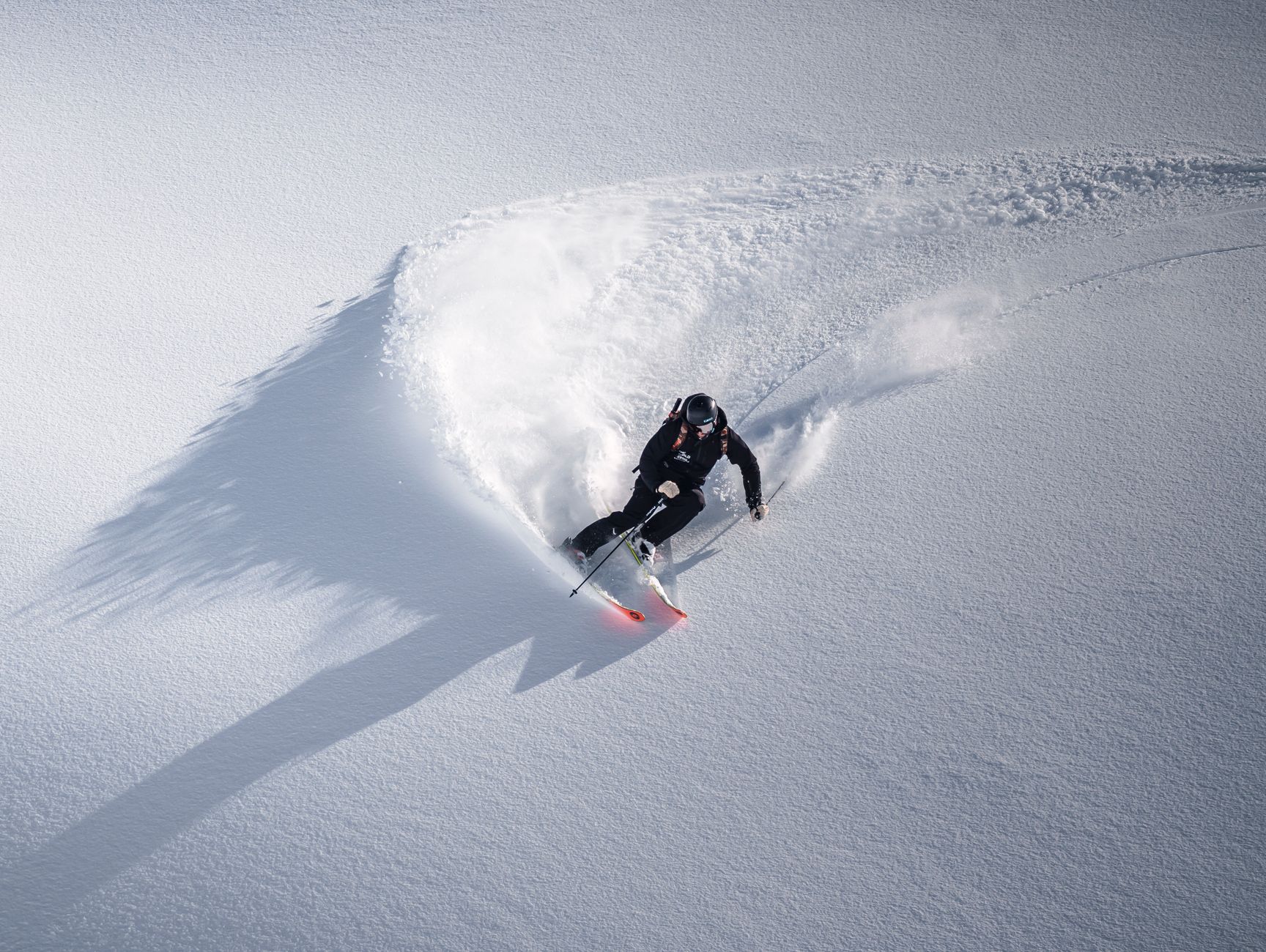
Les jours de poudreuse sont fréquents ici : La base de Corralco offre un accès facile, avec des possibilités de découvrir les canyons et les champs de neige à proximité. parva se trouve à proximité, vous pouvez donc commencer par des descentes douces et, ici, il y a un moment pour vous tenir sur une crête et apprécier de glisser à travers les arbres alors que la cordillère nord brille sous la lumière de la fin d'après-midi.
Envoyez une demande et nous vous ferons une offre personnalisée pour vos dates. Une seule fenêtre au lieu de dix onglets : matériel, transfert et voiture réservés et confirmés à l'avance.