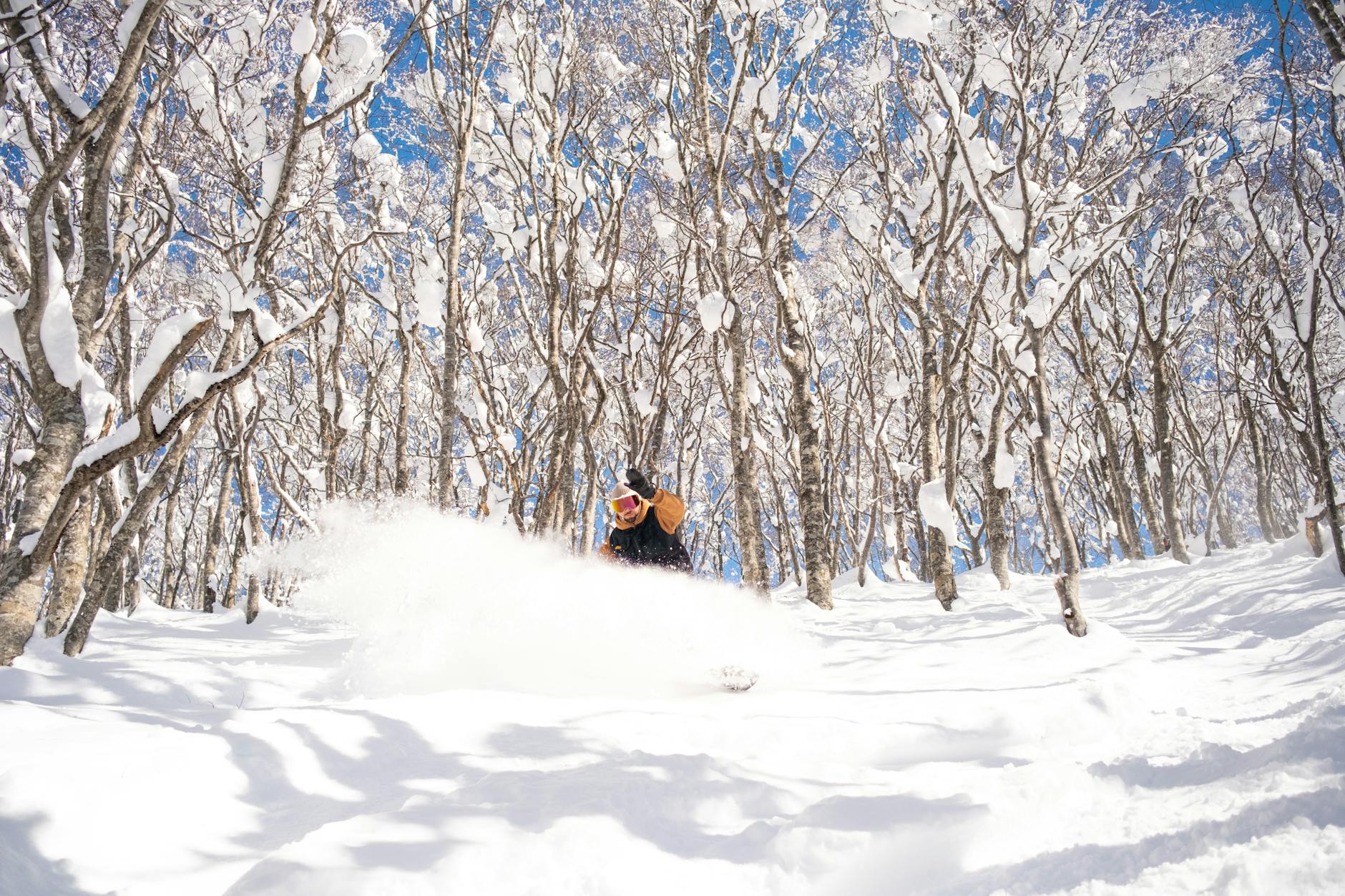
Commencez directement votre journée avec un plan clair : si vous voulez voyager en toute sécurité, consultez le bulletin d’avalanches et définissez votre niveau pour la journée. Avant de vous déplacer, lisez les prévisions, choisissez un itinéraire judicieux et vérifiez que vous avez le manteau et les vêtements appropriés pour rester au chaud. Pendant que vous vous préparez, n'oubliez pas ce qu'il faut faire si le temps change et gardez votre groupe en vue.
Respectez les autres sur la pente et dans l'arrière-pays : suivez la règle qui consiste à céder le passage aux voyageurs plus rapides, à limiter le bruit et à éviter les attroupements. De nombreux incidents se produisent lorsque des groupes s'engagent dans des sections difficiles. Commencez de manière prudente et arrêtez-vous lorsque le terrain devient difficile.
Gestion du matériel et des déchets : emportez un émetteur-récepteur, une sonde, une pelle et un casque ; portez un bon manteau et des vêtements respirants. Rapportez les ordures et les déchets de toilette ; utilisez les toilettes aménagées lorsqu'elles sont disponibles et respectez les panneaux de signalisation des sentiers. Maintenir votre empreinte petite signifie rester sur les pistes établies et éviter les nouvelles tranchées.
L'étiquette autour des refuges, des pistes et de la faune : baissez la voix, ne bloquez pas les sorties et laissez les lieux plus propres que vous ne les avez trouvés. Ce que vous emportez doit rester dans votre sac ; n'apportez que ce dont vous avez besoin et rappelez-vous qu'il faut faire attention aux déchets. Devenir plus prévenant à chaque voyage rend l'arrière-pays plus sûr pour tous.
Manteau neigeux et planification de l'itinéraire : surveillez les plaques à vent, les corniches et les traces fraîches ; évitez les faces abruptes après le chargement et planifiez des itinéraires d'évacuation. Vérifiez toujours le niveau de risque et adaptez-vous. Gardez le contexte de la pente à l'esprit et surveillez la température corporelle en équilibrant les couches sur votre corps.
Liste de contrôle pratique pour terminer : planifiez avec un partenaire, emportez une carte ou un GPS, un téléphone et un sifflet, et ne jamais voyager seul. Passez en revue les bonnes pratiques avant chaque voyage, gardez les vêtements et le matériel en ordre et respectez les règles locales des refuges et des points de départ des sentiers pour une approche conviviale.
L'étiquette du ski de randonnée à Hokkaido : Conseils pour voyager en toute sécurité et avec respect dans l'arrière-pays ; 8 Un clin d'œil au remonteur
Avant de vous aventurer dans l'arrière-pays, consultez les prévisions et le bulletin d'avalanches, connaissez la règle qui consiste à rester dans les zones balisées et gardez votre groupe en vue du télésiège, surtout si vous êtes novice sur les itinéraires de shirakaba au-delà des pistes damées.
Donnez à vos amis devant vous le temps de bouger, ralentissez pour les groupes plus lents et faites preuve de courtoisie en utilisant une approche en file indienne lorsque vous approchez du télésiège. Certains groupes voyagent seuls, alors évitez de couper et gardez votre file ordonnée.
La politique « pas de déchets » est importante : rapportez vos déchets, rincez et essuyez votre équipement et évitez de laisser des déchets dans la neige. Gardez vos bottes, votre manteau et vos doublures au sec pour rester confortable dans le froid.
La règle reste stricte : restez dans les zones pour lesquelles vous vous êtes entraîné ; si les conditions semblent difficiles, faites demi-tour, surtout dans les zones d'entraînement de shirakaba ; le temps passé en montagne est important ; prévoyez un retour avant le crépuscule.
Lorsque vous parlez aux opérateurs de remontées mécaniques, faites un signe de tête ou remerciez-les ; ils font de leur mieux dans un pays froid ; montrez votre appréciation avec un rapide bonjour ou un signe de la main.
Au-delà des sentiers évidents, soyez attentif aux zones avec des pentes chargées par le vent ; ce que vous faites peut affecter les autres, alors tenez-vous en aux itinéraires balisés et respectez les fermetures ; l'entraînement et l'expérience sont importants pour voyager en toute sécurité, même par beau temps.
| Conseil | Contexte | Actions |
|---|
| Respectez la file d'attente du télésiège (points) |
Priorité dans les zones lentes et lors de la fusion près du télésiège |
Écartez-vous, gardez vos distances, remerciez les opérateurs |
| Déchets et matériel |
Une éthique « sans laisser de trace » à chaque excursion |
Rapportez vos déchets, nettoyez vos doublures, gardez vos bottes et votre manteau au sec |
| Avant de partir |
Choix de l'itinéraire et entraînement ; particularités de shirakaba |
Discutez du plan avec vos amis ; désignez un chef de file |
| Soyez attentif à votre équipement |
Matinées froides ; préparation du matériel |
Vérifiez les bottes, le manteau, les doublures ; ajustez les sangles |
| Un clin d'œil au remonteur |
Courtoisie et communication avec les opérateurs de remontées mécaniques |
Faites un signe de la main, dites merci, suivez leurs instructions |
Directives pratiques pour la planification et les déplacements dans l'arrière-pays de Hokkaido
Planifiez votre voyage en fonction d'une fenêtre météorologique fixe et des prévisions quotidiennes d'avalanches. Définissez un objectif simple et un itinéraire de repli afin de pouvoir faire demi-tour rapidement si les conditions se détériorent.
Organisez votre journée avec des limites claires : choisissez un point de départ, restez sous la limite des arbres en cas de faible visibilité et évitez les pentes exposées qui dépassent votre niveau de confort. N'oubliez pas les interdits, comme rouler au-delà des points de repère visuels ou pénétrer dans des secteurs fermés. Si une zone est signalée comme étant interdite par la direction locale ou les propriétaires fonciers, respectez-la. Si vous sentez un changement de vent ou du manteau neigeux, faites demi-tour avant de vous exposer au danger.
Le matériel est important. Emportez un émetteur-récepteur d'avalanche, une pelle et une sonde, ainsi qu'un casque et des vêtements chauds en plusieurs couches. Vérifiez vos doublures et l'isolation de vos bottes, et emportez des piles de rechange. Apportez un petit kit de réparation, un abri d'urgence compact et un moyen de signaler votre présence aux sauveteurs. Une carte, une boussole et un appareil chargé vous permettent de vous orienter en toute sécurité dans les conditions hivernales.
Prévoyez des itinéraires adaptés à votre niveau de confort et aux limites de la journée. Commencez par des sections boisées à travers les peuplements de shirakaba pour que le terrain reste prévisible, puis recherchez des points de demi-tour faciles bien avant les lignes de crête. Par exemple : une journée de 500 à 800 mètres de dénivelé à une pente douce de 15 à 25 degrés vous maintient au-dessus des effets météorologiques tout en restant facilement gérable. Expliquez les itinéraires d'évacuation dès le départ et prévoyez un plan pour revenir en toute sécurité si le manteau neigeux se déplace sous vous.
La culture du voyage et l'étiquette sont importantes. Venez préparé à partager l'espace et le matériel, évitez les couloirs encombrés et rappelez-vous les limites fixées par les habitants et les gestionnaires fonciers. Dans l'arrière-pays japonais, vous êtes censé limiter le bruit, rapporter ce que vous avez emporté et faire preuve de respect pour la montagne et sa culture. Si vous n'êtes pas sûr d'une limite ou d'une règle, demandez conseil à un garde forestier local ou à un guide expérimenté avant de continuer.
Vérifiez les conditions locales, les prévisions d'avalanches et les conditions météorologiques avant chaque ascension
Consultez trois sources avant chaque ascension : les prévisions locales d'avalanches, les prévisions météorologiques de montagne pour les 24 prochaines heures et les notes de patrouille du dernier quart de travail. Si un risque élevé ou une cote de danger élevé est affiché, arrêtez la randonnée, déplacez-vous vers des zones plus basses et gardez le groupe ensemble.
Étudiez la cote de danger et la carte des zones, en prêtant attention aux pentes supérieures, aux endroits chargés par le vent et aux aspects exposés au soleil. Les signes de difficulté apparaissent généralement sur les pentes supérieures à 30 degrés ou là où un chargement récent est évident. Considérez ces zones comme des interdits pour votre équipe et restez sur un terrain moins risqué.
Obtenez les prévisions météorologiques pour les précipitations, le vent et la tendance de la température ; des plaques à vent et des corniches se forment sur les bords supérieurs des crêtes, alors vérifiez la direction du vent et le risque de charge transversale à la ligne de crête. Si un vent du nord-est est prévu, évitez les plaques sous le vent sur la face nord et planifiez un itinéraire alternatif.
Emportez et entretenez votre équipement d'urgence : émetteur-récepteur, pelle et sonde ; vérifiez que chaque membre du groupe a un émetteur-récepteur en état de marche et sait comment réagir. Mettez-vous d'accord sur un point d'arrêt et un itinéraire à l'avance, afin de pouvoir vous arrêter ensemble si les conditions se détériorent.
Documentez votre plan avec l'équipe et respectez les panneaux de patrouille et les règles affichées. Cela témoigne de votre considération pour les autres et pour les endroits où les skieurs aiment aller. Si vous voyez des panneaux indiquant des zones fermées ou un terrain avalancheux, ne continuez pas, même si cela semble pratique ; le risque n'en vaut pas la peine.
Équipez-vous et vérifiez votre émetteur-récepteur, votre pelle et votre sonde ; testez l'équipement avec votre groupe
Testez votre émetteur-récepteur, votre pelle et votre sonde avec votre groupe avant de quitter le point de départ du sentier. Chaque membre allume son émetteur-récepteur, vérifie l'affichage et confirme la présence d'une pile neuve. Attribuez des rôles : chef de file pour l'émetteur-récepteur, soutien à la recherche et chronométreur. Effectuez ensuite un court exercice pour confirmer la séquence et le moment.
Vérification de l'émetteur-récepteur : mettez tous les appareils sous tension, confirmez qu'ils sont en mode de transmission et programmez le même canal. Faites un test en direct avec un partenaire à 30-60 m ; le testeur doit apparaître sur l'écran de recherche en quelques secondes. Si les signaux sont incohérents, arrêtez l'exercice, remplacez les piles et vérifiez à nouveau les connexions. Le fait de maîtriser cette étape réduit les risques et renforce la confiance.
Vérification de la pelle : inspectez la lame pour vérifier qu'il n'y a pas de fissures, assurez-vous que le manche se verrouille et testez la poignée. Une pelle robuste est indispensable lorsque vous devez déterrer quelqu'un sous la neige. Assurez-vous que la lame se verrouille fermement et que le manche s'étend en douceur sans oscillation. Fixez une sangle de transport si vous faites de la randonnée avec des sacs lourds pour éviter de faire tomber votre équipement. Dans les conditions japonaises, la discipline en matière d'équipement est encore plus importante.
Vérification de la sonde : étendez-la sur toute sa longueur (270-320 cm, selon le modèle) et confirmez que tous les segments se verrouillent. La sonde doit dépasser largement la profondeur de neige typique afin que vous puissiez confirmer rapidement la profondeur d'enfouissement. Entraînez-vous à une insertion propre dans une fosse à neige peu profonde pour vous assurer que vous pouvez plonger et récupérer efficacement. Les chaussures et les gants doivent rester secs pendant que vous travaillez.
Exercice de groupe : désignez une personne comme skieur perdu ; les autres effectuent une recherche par émetteur-récepteur dans un rayon de 60 m. Chronométrez la recherche, échangez les rôles et comparez les résultats. Passez ensuite à un deuxième scénario avec différentes profondeurs ou différents types de végétation. Incluez de nombreuses variations : profondeur de la neige, vent, visibilité. Oui, il est utile de s'exercer avec une personne différente à chaque fois, car le temps gagné est important dans les situations de sauvetage, et personne ne doit se sentir exclu. Cela montre ce qui w