
All Español articles
Resorts & Destinations
Dónde esquiar en noviembre - Los mejores destinos de esquí de principios de temporada en todo el mundo
GetSki TeamPublished December 19, 2025· Updated May 9, 2026 18 min read Español

Comienza con Fernie o Snowmass como tu punto de partida para una primera ola de nieve fiable. En las últimas temporadas, ambos lugares ofrecen un acceso sólido a terrenos amplios con orientaciones norte que conservan la nieve a medida que avanza la semana, haciendo que un plan de 4 a 7 días sea realista. Para aquellos que buscan opciones para principiantes, estas dos opciones equilibran descensos suaves con días de travesía mientras pruebas diferentes líneas de snowboard o combinaciones de recorridos.
En el norte de América del Norte, Fernie tiende a abrir antes debido a la altitud y las nevadas. Espera cuencas profundas en terrenos con pendientes suaves para los que se inician y un puñado de descensos largos y fluidos para ganar confianza. El acceso desde Calgary o Cranbrook facilita los viajes, y puedes combinar una o dos caminatas por las cuencas con días de travesía a medida que la temporada se acerca al invierno. Un frente importante puede empujar la nieve a las cuencas altas antes este año, ampliando las opciones que puedes encontrar para una semana o días de esquí.
En la costa oeste, Snowmass ofrece un ritmo diferente con gran altitud y una amplia mezcla de pistas; una zona para principiantes ayuda a los recién llegados a ganar confianza, mientras que las pistas más empinadas siguen siendo accesibles para días más experimentados. Si el tiempo coopera, la producción de nieve asistida por remontes junto con las tormentas de otoño puede extender una semana hacia días de travesía significativos, y el acceso desde Denver simplifica este plan para viajeros de muchos países.
En Europa, Arosa en Suiza ofrece terrenos fiables para todos los niveles, remontes amigables y fácil acceso en tren desde Zúrich o St. Moritz. Las extensas pistas invitan a la travesía y a una sensación de pueblos alpinos, ofreciendo una combinación de deporte y cultura que puede llenar una semana con días de carving, paradas para tomar café y après-ski para conocer el ritmo.
Otras apuestas seguras incluyen Mt. Baker en el oeste de Washington y Whistler en la Columbia Británica, ambos conocidos por la nieve a principios de temporada y el acceso fiable. Construye una cadencia de días con rutas cortas de travesía o descensos largos y cuidados, y los medios para combinar el snowboard con las transiciones invernales siguen siendo sólidos. Para un circuito internacional más largo, considera opciones japonesas como Hakuba o Niseko, que a menudo reciben polvo y ofrecen una sensación distinta en condiciones resistentes. Para viajeros con un horario más apretado, estas opciones podrían encajar en un itinerario compacto.
Fernie, Columbia Británica, encabeza parte de la ventana de noviembre con humedad fiable de frentes del Pacífico y nevadas que llegan rápidamente a las cuencas orientadas al oeste. Espera cuencas vírgenes, largas colinas y terrenos abiertos antes que en muchos lugares. La nevada anual aquí se mantiene robusta, además los precios de los boletos se mantienen asequibles para una visita. Para verificar las aperturas, consulta el sitio web oficial; el acceso a través de las carreteras principales te lleva a las bases con un mínimo de complicaciones.
Utah presenta una opción oeste fiable con altas elevaciones y descensos largos; la humedad del Pacífico llega para aumentar la cobertura temprana. Noviembre trae un manto de nieve sólido, que viene con una base estable, creando una oportunidad para las primeras huellas en colinas empinadas y cuencas profundas. Los boletos en las aperturas de temporada se mantienen competitivos; visita el sitio oficial para ver las aperturas actualizadas; muchos paquetes y abonos ofrecen valor, especialmente para una visita de varios días.
Mt. Baker, Washington, se encuentra en el Pacífico oeste, ofreciendo nevadas frecuentes y visibilidad que puede brillar en días claros. El terreno incluye cuencas empinadas y canales vírgenes; los lugareños dicen que el acceso sigue siendo sencillo; el sitio web muestra las aperturas; planifica reservar un boleto con anticipación para maximizar la obtención de las primeras líneas elegidas; no se puede depender de las temperaturas de principios de temporada; la humedad significa pronósticos constantes.
Otras opciones del oeste incluyen un par de colinas más en la Columbia Británica y Washington; muchos centros turísticos abren antes de diciembre, noviembre trae menos gente. Consulta los pronósticos de nevadas y visibilidad en el sitio web oficial; pasa tiempo con los lugareños, prueba las ofertas de las tiendas y mantén flexibilidad en las fechas. Un enfoque pragmático significa tiempo extra para visitar entre semana; entonces puedes asegurarte el acceso a las pistas de polvo y mantener opciones cuando regrese la humedad.
Dirígete a Gudauri y Rosa Khutor como la primera opción correcta para una base sólida, además de redes de telesillas rápidas y cuencas vírgenes. No confíes en una sola fuente; las pistas abiertas y los boletos difieren según el lugar, ten en cuenta las condiciones actuales en cada sitio web oficial. Para un fin de semana, apunta a zonas de gran altitud donde la nieve crujiente se mantiene mejor. La nieve blanca tiende a aparecer con la luz de la mañana, y las actualizaciones recientes vienen a través de tablones manuales; aquí puedes seguir los boletos y las aperturas.
Los patrones de nevadas difieren en esta región. Las laderas orientadas al este en Georgia a menudo acumulan nieve temprano ya que el aire frío fluye desde las mesetas continentales, mientras que las cuencas occidentales acumulan humedad de sistemas regionales. Las zonas de gran altitud por encima de los 2000 m conservan la nieve más tiempo en la temporada; la nieve tiende a ser crujiente por las mañanas y suave por la tarde. Esto crea una oportunidad para esquiar a principios de temporada cuando otros esperan; los pronósticos proporcionados en el sitio web describen lo que se puede esperar, incluidas las condiciones del lago cerca del área de Rosa Khutor. Este patrón puede mejorar tu visión para un fin de semana exitoso.
Los pueblos base se extienden por Georgia, Rusia, Armenia y Azerbaiyán. Gudauri ofrece una base de gran altitud con acceso rápido por telesilla a las cuencas cercanas; Bakuriani ofrece una primera opción familiar con zonas suaves y áreas infantiles. Rosa Khutor ofrece infraestructura moderna y un ambiente a orillas del lago cerca de Sochi; Dombay conserva un ambiente similar a la montaña con menos gente y acceso rústico en tablón. Tsaghkadzor y Shahdag ofrecen opciones más pequeñas y accesibles con aperturas recientes y boletos asequibles. Para preguntas o para comparar niveles, consulta el sitio web, ten en cuenta los mapas proporcionados y planifica un fin de semana con anticipación; la primera opción sigue siendo Gudauri por el acceso directo a terrenos altos, aunque otros pueden ser adecuados para familias. No olvides revisar los boletos y abonos disponibles en línea; aquí puedes comparar opciones.
Recomendación: Comienza en Mammoth Mountain, California, para la ventana de apertura más fiable, luego enlaza con Revelstoke y Lake Louise para grandiosidad, acceso remoto y potencial de temporada larga.
Oportunidades de heliesquí: Para alguien que busca una odisea remota, la Columbia Británica y Alaska albergan operaciones con múltiples bases y viajes a zonas salvajes. Espera bolsillos ocultos y descensos tipo Arosa en medio de un terreno vasto y sin huellas. Estos viajes brillan como una adición culminante a un plan de invierno y ofrecen una rara oportunidad de esquiar en polvo virgen, si el tiempo lo permite.
Val Thorens, a 2.300 m, ofrece la nieve más fiable para finales de otoño, con acceso directo al glaciar y una densa red de pistas cuidadas que abren muchas opciones para viajes con viajeros de Louise o Colorado que buscan días largos y fiables en las pistas.
El cinturón alpino de Francia cuenta con Tignes (2.100 m) y Les Deux Alpes (terreno glaciar de hasta unos 3.600 m) como sólidos respaldos cuando la nieve de base es escasa. Los centros suizos como Zermatt y Saas-Fee dependen de las zonas glaciares para mantener las opciones abiertas, mientras que las vistas del macizo del Mont Blanc y las crestas cubiertas dan forma a paisajes que atraen una gran atención entre muchos esquiadores que anhelan descensos largos y seguros.
Austria e Italia ofrecen alternativas robustas: el Glaciar Hintertux (base alrededor de 1.500 m, cima a 3.250 m) garantiza nieve a finales de otoño; el Glaciar Stubai le sigue con alturas similares y cobertura fiable. Sölden (Ötztal) alberga rutas glaciares en Rettenbach y Tiefenbach, que abren temprano y mantienen el polvo. Cervinia (Italia) se encuentra cerca de los 2.000 m y se conecta con Zermatt; la Marmolada en los Dolomitas ofrece terreno alto cerca de los 3.300 m, con paisajes que cubren los valles y ofrecen nieve continua para viajes a finales de temporada.
Los Alpes centrales y orientales enfatizan la altitud: St. Anton y Arlberg ofrecen verticales altas y enlaces ferroviarios rápidos desde los principales centros urbanos, mientras que Davos-Klosters y Engelberg ofrecen líneas elevadas y un manto de nieve sólido a través de las altas y bajas de otoño. Las laderas orientadas al este también brillan, ofreciendo días fiables con remontes entre vistas que se sienten expansivas y atemporales.
Para los aficionados a la adrenalina, el heliesquí sigue siendo una opción en Chamonix, Zermatt, Andermatt y Davos; los guías adaptan los viajes a las condiciones y aterrizan en bolsillos frescos después de las nevadas previstas, combinando bien con una estancia en el resort para una mezcla equilibrada de tiempo en pista y après-ski. Los grupos de snowboard apreciarán los descensos largos y una capa de polvo en las secciones de mesetas altas, mientras que algunos centros pueden extenderse hasta diciembre si llegan olas de frío. En comparación, Snowmass en Colorado sirve como un contraste útil, destacando cómo el terreno elevado apoya condiciones estables cuando los frentes del extremo izquierdo cruzan el continente. Louise sabrá dónde buscar: entre los resorts altos con mucho cuidado de pistas, entre los centros orientados al este, entre los centros glaciares, entre los grupos de resorts cerca de la región del Mont Blanc.
Recomendación: Niseko, Hokkaido, ofrece un polvo memorable con nieve rica en humedad y experiencias ligeras para los invitados que llegan desde la ciudad de Sapporo vía CTS, luego un corto traslado a las bases de los pueblos y sus redes de remontes; es por eso que este lugar es siempre popular para las visitas.
Más allá de Niseko, Furano y Tomamu ofrecen terrenos variados, desde bosques hasta pendientes empinadas para niveles de habilidad fuertes; en Tomamu, los corredores de góndola inspirados en la montaña abren cuencas superiores y los remontes conectan las zonas, con los pueblos base que ofrecen servicios convenientes.
En Asia-Pacífico, Yongpyong y Alpensia en Corea se encuentran en la provincia de Gangwon, ofreciendo pistas fiables y remontes eficientes con acceso directo desde Incheon; en China, Yabuli (Heilongjiang) sigue siendo un centro importante, mientras que Chongli se agrupa alrededor de Wanlong y Genting se conecta a Beijing por tren de alta velocidad y vuelos nacionales, asegurando que los días de invierno comiencen con buen pie.
La nevada prevista por la humedad del Pacífico apoya ventanas estables, mientras que la Antártida sigue siendo una referencia lejana; es por eso que estas zonas abrieron más oportunidades para días de invierno que pueden ser disfrutados por viajeros fuertes guiados por pronósticos de luz y planes flexibles.
Las sugerencias para la planificación incluyen apuntar a una base cerca de los aeropuertos de la ciudad para acortar los tiempos de viaje, crear un itinerario multiregión en un solo viaje y revisar las rutas asistidas por remontes que se adapten a diferentes niveles de habilidad; las cabañas ocultas aparecen en las flotas de algunos operadores, contribuyendo a traslados más fluidos y más tiempo en las pistas. Los mejores recuerdos del mundo a menudo provienen de una combinación de mañanas con poca nieve y descensos por la tarde, así que mantente atento a los pronósticos meteorológicos y a las tendencias de humedad para maximizar las experiencias.
| Región | Ventana Típica | Acceso | Terreno y Remontes | Notas |
|---|---|---|---|---|
| Niseko, Hokkaido (Japón) | Oct–Dic | Centro CTS (Sapporo); corto traslado a bases de pueblos | Variado, de bosques a pendientes empinadas; remontes de alta capacidad | Nieve rica en humedad; fuerte red de pueblos base |
| Furano (Hokkaido, Japón) | Nov–Mar | CTS vía Sapporo; lanzaderas locales | Bosques amplios; pendientes de gama media | Más tranquilo en comparación con Niseko; luz fiable |
| Tomamu (Hokkaido, Japón) | Nov–Mar | Traslados directos desde CTS; conexiones nacionales | Cuencas abiertas; remontes se conectan rápidamente a zonas superiores | Familiar; se hace referencia a redes de estilo montaña |
| Yongpyong (Gangwon, Corea) | Dic–Mar | Incheon a Yongpyong; transporte local | Pistas moderadas a desafiantes; sólido sistema de remontes | Fuerte para añadidos rápidos de ciudad; nieve fiable |
| Alpensia (Gangwon, Corea) | Dic–Mar | Corredor de Incheon; traslados el mismo día | Zonas para principiantes e intermedios; buena densidad de remontes | Ideal para viajes familiares; legado olímpico |
| Yabuli (China, Heilongjiang) | Dic–Feb | Beijing por tren de alta velocidad; vuelos nacionales | Canales empinados; descensos largos; base considerable | El complejo turístico más grande de China; clima variable |
Al planificar viajes a cualquier lugar de la región, apunta a un par de bases para mejorar tus posibilidades de luz y nevadas favorables; es una forma práctica de hacer que la experiencia sea memorable, flexible y agradable, incluso si las condiciones cambian a un patrón diferente.
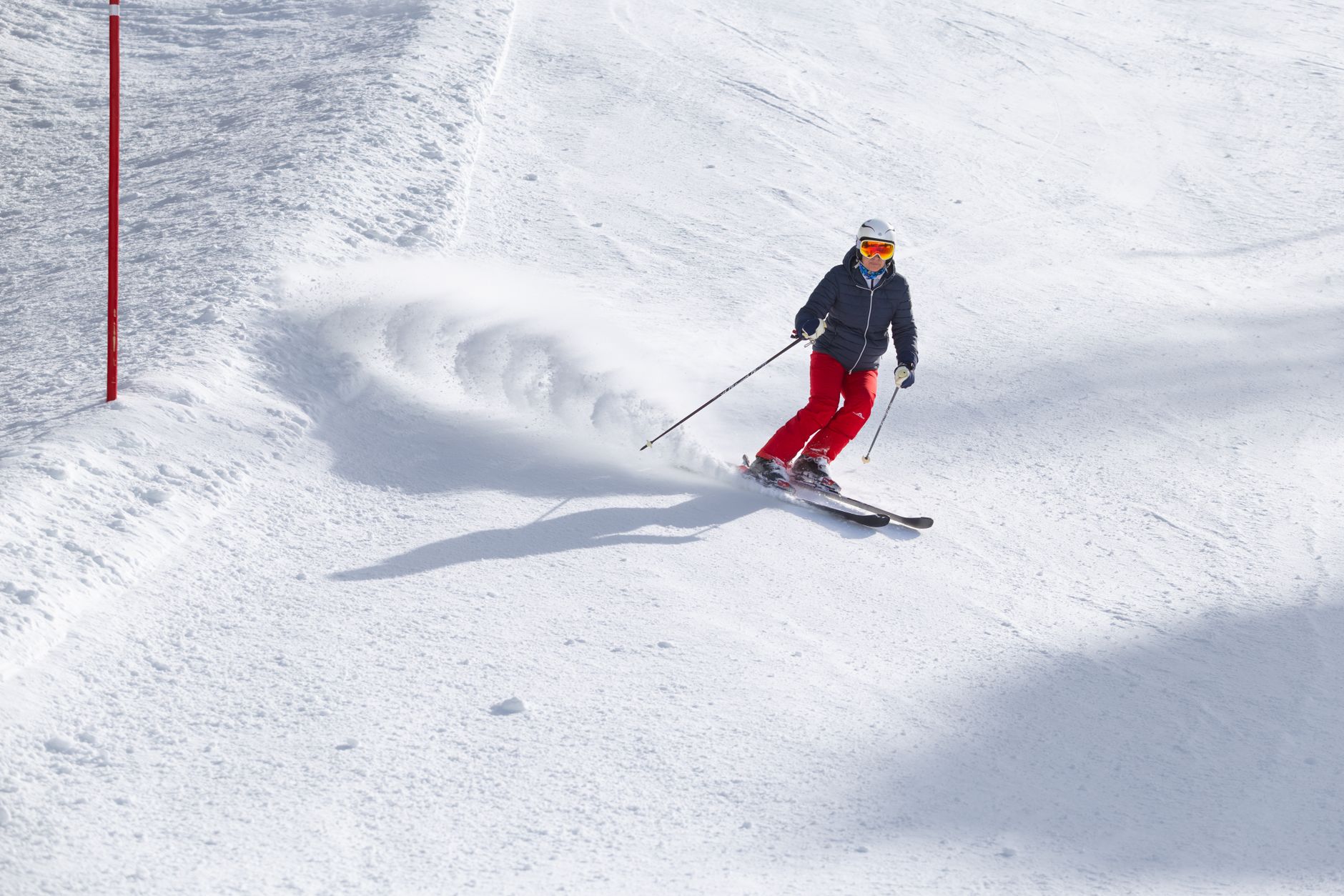
Elige Cardrona y Coronet Peak cerca de Wanaka para aperturas en noviembre y polvo sólido, con altitud que mantiene la nieve fiable y mucha luz diurna para viajes por pistas alpinas.
Qué saber antes de visitar: las condiciones previstas cambian con los frentes del Pacífico, por lo que las aperturas y las ventanas de polvo varían; los solicitantes deben asegurar los boletos en línea para evitar colas y reservar sesiones en días concurridos; entre estos destinos, existen muchas opciones de equipo y lecciones, lo que ayuda a los recién llegados y a los esquiadores experimentados a mejorar sus habilidades. Si crees que noviembre en esta zona no puede ofrecer, debes saber que, aparte de las comparaciones del hemisferio norte, estos centros turísticos ofrecen experiencias alpinas genuinas comparables a las cuencas alpinas de los Alpes, mientras ofrecen sol primaveral y días más largos. En Canadá, el polvo todavía reina en invierno, pero los destinos del sur ofrecen una vibra distinta con días más cálidos y paisajes vívidos.
Preguntas clave que podrías tener incluyen: ¿cuántos días deberías planificar para un viaje a NZ vs Australia, cómo se sienten los cinturones de altitud en primavera y qué resorts ofrecen programas de heliesquí o tours guiados? La respuesta depende de tu espíritu aventurero y tu presupuesto, con opciones que van desde bases urbanas hasta expediciones alpinas remotas. Si no puedes comprometerte a un viaje largo, considera combinar una visita de varios días a un par de centros de NZ con una carrera de una semana en Australia, lo que aumenta tus posibilidades de perseguir aperturas consistentes y maximizar tus días en la nieve. Cuando los boletos estén asegurados, disfrutarás de un acceso fiable y descubrirás que noviembre en esta región aún puede sorprenderte con días de polvo fresco y descensos significativos, incluso cuando el sol sube más alto en el cielo. Las aperturas continuarán dando forma a los planes, y si el invierno llega temprano en la temporada, el potencial de polvo sigue siendo alto en estos centros turísticos.
Si estás planificando un itinerario de múltiples destinos, piensa en lo que quieres del viaje: ¿buscas pistas variadas en diferentes ciudades o un viaje de una sola base con excursiones de un día cercanas? Entre estas opciones, una visita centrada en Wanaka combinada con un rápido circuito Melbourne-Queenstown ofrece una mezcla equilibrada de acceso a equipos, centros urbanos y traslados rápidos. Para aquellos curiosos sobre los contrastes del Altai o comparando con Canadá, notarán que en este hemisferio, la experiencia alpina enfatiza la calidad de la nieve primaveral y los días largos para explorar, con la posibilidad de acumular días de esquí en diversos terrenos y resorts.
Comienza con una revisión práctica: empaca un detector de avalanchas válido, una sonda y una pala; incluye calentadores de manos, una braga para el cuello y un botiquín de primeros auxilios compacto; lleva un teléfono con mapas sin conexión y una batería de repuesto; una chaqueta ligera y una capa intermedia aislante caben en una mochila pequeña para uso diario; verifica que los pases de remontes sean válidos y se almacenen en una billetera digital.
Equipo para días de mayor altitud: casco, gafas y pantalones de peto; lleva una chaqueta ligera de repuesto; en Snowmass, Colorado, la nieve en las crestas superiores persiste hasta finales de otoño; lleva pieles para ascensiones remotas para ampliar las opciones de freeride; cuando sea posible, combina botas con remontes compatibles para un ascenso más fácil.
Boletos y transporte: reserva los pases de remontes con 4 a 6 semanas de antelación; consulta los enlaces de transporte público desde pueblos cercanos; muchos resorts en Colorado o Fernie ofrecen opciones de lanzadera pública; para opciones de la costa del Pacífico, vuela a Vancouver o Seattle y utiliza una lanzadera a los resorts.
Condiciones y calendario: espera una capa de nieve ligera al principio; el manto de nieve a menudo es irregular en las laderas bajas; las mañanas tienden a ser heladas; planifica esquiar en remontes más altos para una nieve más fiable; consulta los pronósticos diarios y el riesgo de avalancha; los resorts remotos pueden ofrecer servicios limitados.
Nota mundial: en todo el mundo, el polvo virgen aparece en altitud cuando la nieve se acumula en terrenos más altos; Snowmass en Colorado ofrece descensos largos con vistas espectaculares; Fernie ofrece árboles desafiantes para freeride; los resorts de la costa del Pacífico ofrecen algunos días fiables con nieve ligera cuando los patrones se alinean; las expediciones a la Antártida presentan viajes remotos de invierno; algunos operadores ofrecieron viajes guiados durante este mes; ten en cuenta la preparación, ya que las condiciones variarán y los enlaces de transporte pueden cambiar.