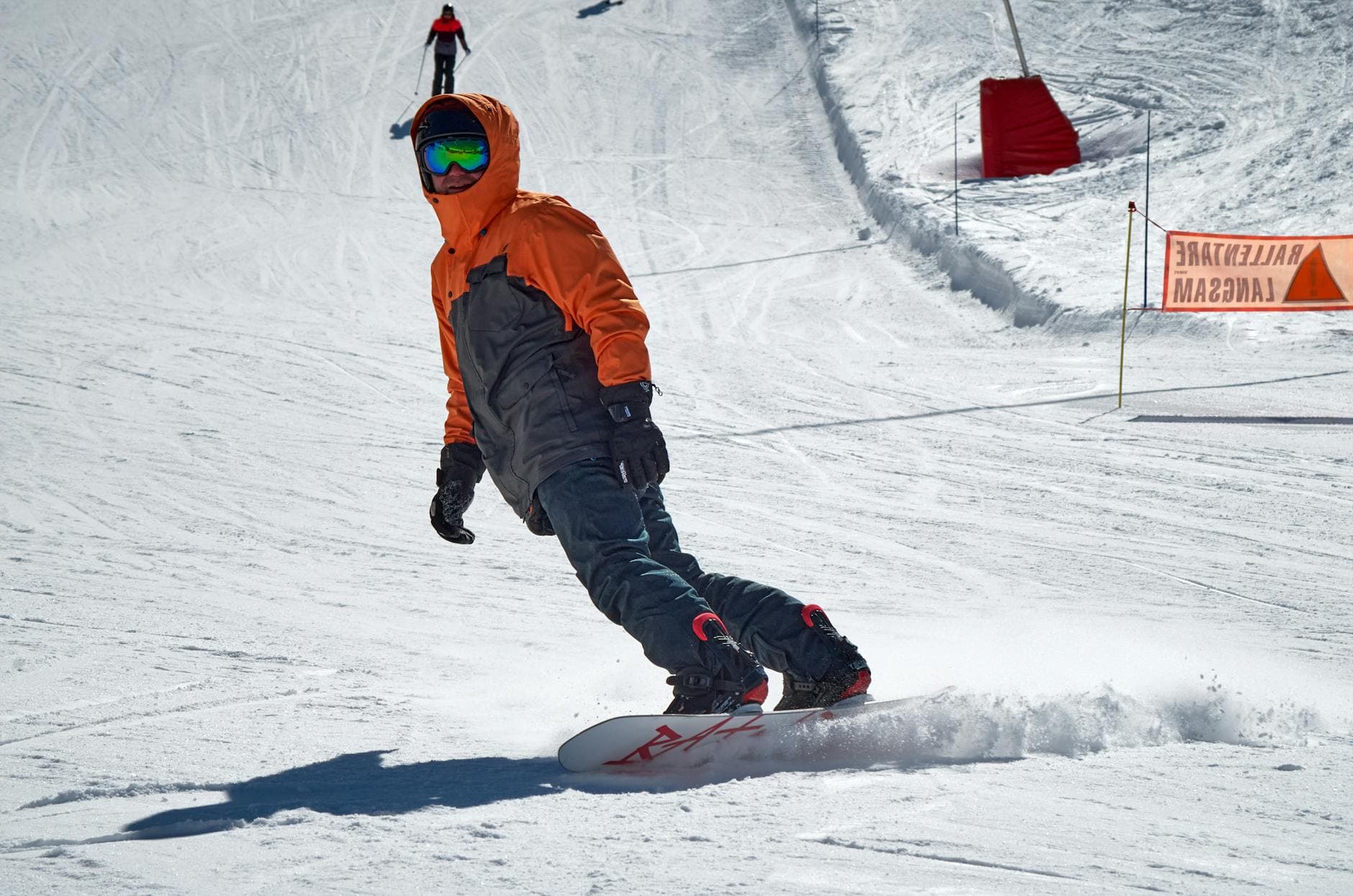
Plan a home base near the Grandvalira lift network and secure a comfortable apartment in Soldeu or Pas de la Casa. This setup makes the airport transfer smoother, keeps your group together, and puts you within easy reach of the main runs, therefore starting your mornings with awesome momentum.
Grandvalira is the largest linked ski area in the region, offering about 210 km of pistes and 63 lifts across a single pass. normally you’ll find a wide variety of runs, and the connected sectors let you switch from Soldeu to El Tarter or Grau Roig without long detours. Therefore a multi-day pass is a smart call for flexibility.
Vallnord Pal-Arinsal and Ordino-Arcalís combine for roughly 90–95 km of pistes, with a mix of beginner zones and off-piste opportunities for more experienced skiers. In the crisp mornings, temperatures hover around -3 to 5 °C at mid elevations; though wind and sun can shift conditions, afternoons often warm a bit, so remember to layer and protect against sun with high-SPF sunscreen. The scenery is quiet on weekdays, which makes it easier to build a reliable run plan for your group.
Season timing and après-ski: the best months run from December through April, when snow is most reliable and temperatures are manageable for all levels. After skiing, you’ll find a mix of activities–ranging from spa retreats to night-skiing, depending on the resort and weather. Though busy on weekends, certain terraces stay relatively quiet and truly family-friendly, perfect for a relaxed group wind-down.
Pack light and dont overdo it with equipment; rent or store equipment locally and use the ski pass to access lifts. If you dont want to overpack, consider a compact helmet and gloves that dry fast, then rely on resort shops for extras. Check daily forecasts for off-piste-conditions and avalanche risk, and remember that temperatures can swing by months, so dress in layers and be prepared for sun, wind, and occasional powder days.
Book a multi-country travel plan that lands you today in Barcelona or Toulouse, then transfer to Andorra and base in Soldeu where youll enjoy sun-kissed pistes and convenient holidays.
Grandvalira spans roughly 210 km of pistes and includes the roig sector, delivering an epic mix of long runs, variety for all levels, and fast lift links across the valley.
Vallnord Pal-Arinsal covers about 63 km of pistes, offering a compact, easy-to-navigate setup with quick gondola transfers to La Massana and a lively après-ski scene in the village center.
Ordino Arcalís adds 30–40 km of terrain higher up the mountains, favored by powder lovers and advanced skiers for steeper options and fewer crowds.
To minimize logistics, choose accommodation close to the main lifts. In Andorra you’ll find nice options in Soldeu, El Tarter, and Andorra la Vella, plus a range of casa-style stays for a homey feel. For a balanced itinerary, book 3–4 nights in one base, then switch to another to sample different zones.
Arrive via airport in Barcelona, Spain, or Toulouse, then take a 2–3 hour transfer into the principality. In peak season, private shuttles run daily and you can arrange your ride when you book today.
When planning, download the official piste maps and après-ski guides for offline use. youll see where to spend nights, where to hit the sun-kissed terraces, and which place to book for meals. If you stay near the roig area, you can combine a day of riding with a quick visit to a local casa for a home-cooked meal.
Arinsal is the best pick for beginner and family trips in Andorra, because its wide, gentle slopes and fast lifts let youre learning without pressure. Dozens of beginner-friendly runs are available, with clearly marked blue pistes and short lift lines, so you spend more time on snow and less time queuing. That question is answered by Arinsal's compact layout.
Pal-Arinsal connects two friendly villages, adding space to practice while keeping the pace calm. For milder days and easier progression, this area offers long, gentle runs and a compact town center that makes holidays simpler for parents and kids alike, therefore reducing fatigue. Some families even prefer this setup for its predictability during busy weeks.
For families, a dedicated beginners' zone, magic carpets, and well-priced equipment rental mean you can start with confidence. Instructors are bilingual, patient, and available for private lessons or small groups, including kids’ sessions that build skills without frustration.
Evenings stay festive with family-friendly après-ski options in bars and cafés near the pedestrian core, and accommodation choices keep families together in one convenient location. The overall vibe stays welcoming in winter months, with options that suit both short breaks and longer holidays.
Accommodation ranges from family suites to apartment-style hotels, including kid clubs and secure storage for gear. Some properties offer free childcare during night sessions, making it easier to share time on the slopes and in town.
From the airport, Barcelona and Toulouse are common gateways, with transfers available that shorten travel times and reduce the space between flights and slopes. These connections work well regardless of whether you travel for a long weekend or a week, making winters feel milder and more manageable.
In summary, for a smooth start with solid beginner terrain and a warm family atmosphere, Arinsal and Pal-Arinsal provide the best combination. Therefore, when you plan your ski holidays, pick either Arinsal or Pal-Arinsal as the core for your winter travels, and you’ll find a world of easy runs, comfortable accommodation, and a friendly pace that suits all ages.
Choose greens for holidays in europe if you are a beginner on the snow. Greens are designed to be short and manageable from lift to lift, letting you practice balance before moving to longer runs. Found in both Grandvalira and Vallnord, greens provide a safe doorway to longer sessions. An amount of patience pays off as you learn the rhythm. In Andorra, those zones cluster around well-known bases, where you stay connected to the village and to other pistes. These connected networks weave the mountain world of Andorra together. Whether you snowboard or ski, greens give you space to rehearse starts and stops without rushing. If a resort offers night skiing, greens and easy blues are a calm option after dark. Where available, you can ride into the nights. Typical green runs run about 0.5–1.5 km with gentle gradients that keep momentum controlled here, before you tackle more demanding grades.
Blues bridge the gap between greens and reds and work whether you snowboard or ski. Blues typically run 1.5–3 km with gradients around 8–15%, easing you into longer days. In Grandvalira and Vallnord, blues are often connected between lift bases, letting you loop for a long day without backtracking. For holidays with milder weather, blues feel relaxed; look for sections with long, gentle traverses that include several comfortable turns and rest points. Some guides also note grau signs that label milder slopes, helping you pick options here. quote: keep pace steady and progress.
Reds offer a steady progression for those aiming to improve carving and rhythm. Reds usually range 15–28% and span 2–3.5 km. In Andorra, expect a mix of red runs that connect mountain hubs, so you can ride from base to base without a long ascent. Those routes help you build pace and technique when snow is firmer, and you can choose red sections that stay within the lift network when conditions shift. An amount of planning helps you pick red options that fit your day, including opportunities to combine with blues nearby so you can recover and keep momentum throughout the day.
Blacks test precision and stamina. Blacks typically exceed 28% on shorter pitches, with lengths around 1–2.5 km but steeper pockets may shorten the run. Those routes demand clean line choice, strong balance, and quick recovery. In Grau Roig and other high-mountain pockets, blacks concentrate near sheltered ridges, offering a real challenge while staying connected to the lift system. If you’re progressing, plan blacks after a few milder mornings to keep fatigue from creeping in, and ride with a friend or guide if you’re not fully confident, without risking a long walk back to base.
Get a multi-day pass online at least two weeks ahead to lock in savings and skip peak queues. Pick a pass that matches your plan: a full-area option if you want to explore both well-known zones, or a single-zone pass if you base in one village. For beginner groups, look for packages that include a lesson or rental credits.
Pass choices include full-area, multi-resort, or resort-specific options, and many offers include discounts for students or seniors. If you are experienced, compare add-ons like higher-speed lifts or backcountry-access options. Including a plan for your group helps you maximize time on the slopes. A truly simple approach is to choose today, then confirm your picks for later steps.
Demographics can influence pricing, so check group rates if you travel with a group of 4 or more; you will save when you book together today or later. A well-known strategy is to pick a base day during the week in a milder month to avoid crowds.
Reserve a full gear package online–boots, skis or snowboard, and helmet–in your size, and add warm socks and wax if needed. For beginner and intermediate riders, ask for a standard kit; for experienced riders, request performance boards and high-flex boots. If you travel with a group, you can lock in a group discount. Spending a little now pays off with smooth fits and less time in line.
To secure spaces for peak times, book in advance, then confirm a few days before your trip. Look for flexible cancellation policies and quick online check-in to save time on arrival. If you spend months planning, you can adjust later for milder weather and quieter runs. Spending today on solid arrangements reduces stress on the hill and keeps the vibe epic.
On arrival, head to the rental desk first to verify boot fit and equipment condition. If boots feel tight, swap to a larger size or adjust the liner. This helps your group stay on schedule and avoid delays, especially when you’re aiming for an epic day of snowboarding or carving turns on fresh powder.
Avoid tarter options with hidden fees by sticking to official channels and reading the fine print. If you need a calm, quiet day, consider midweek slots to maximize snow coverage and spare crowds, then dive into an awesome after-slope routine at your resort village.
Begin with Grau Roig in Grandvalira, a family-friendly center where the closest runs are steps away and equipment rental is fast. Here, an experienced coach runs clinics for kids, and their practice areas stay wide and forgiving for all levels. The roig markers on the slopes highlight easy, wide runs.
In Soldeu and El Tarter, cozy lounges cluster near the slopes, offering quiet corners by the fire where you can meet friends over hot chocolate or a glass of white. Look for places with large windows, soft lighting, and bars that stay open after the last gondola. The vibe invites easy conversation and slow evenings after a day on the mountain. virgin powder glistens on the morning slope before the crowds.
Pas de la Casa delivers nightlife with bars, live DJs, and late hours; it's a place where barcelona-bound travelers and visitors from nearby france mix after sunset. A local quote captures the mood: people come for the camaraderie, then stay for the music and glow of the snow.
To plan efficiently, check online hours and event calendars. You will find family-friendly centers by day and more intense spots by night, all around the Grau Roig and Soldeu belt. After a day on the slopes, the bars around these areas offer a smooth transition from chill to buzz, with something for every mood and pace. In shoulder seasons a touch of hibernation sets in, yet the core spots keep opening late for those who still crave night vibes.
Heady powder days show their own rhythm; on quiet days you meet locals in smaller bars near El Tarter, while weekends lean toward lively venues in Pas de la Casa. If you want a quick wind-down between runs, seek a quiet place with a warm fireplace, and then swing to a few bars to compare the vibe. For a mixed itinerary, a day on the broad runs, followed by an evening in which the online chatter shares tips, will help you choose the best match to your mood.
Book a private airport transfer from Barcelona or Girona to Andorra and head straight to your chosen home base–you’ll gain 30–60 minutes and skip multiple stops. In peak weeks, this saves you from waiting for a scheduled bus and helps you hit virgin slopes sooner.
Transfers at a glance: buses offer the most economical option, while private shuttles and taxi services add convenience during holidays. Expect Barcelona-Girona routes to take about 3h45–4h, with fare ranges around 25–35 EUR per person on standard services. Toulouse connections run 2h40–3h20 and cost roughly 25–40 EUR per person. For groups, private door-to-door transfers from 180–250 EUR (up to 3 travelers) deliver the best value and a fixed schedule so you head back from the slopes quickly.
Altitude and timing matter. Winter delays are possible if weather dumps snow or reduces visibility, so add a buffer if you’re catching a tight lift window. If you head to Andorra for some epic runs, plan your transfers to arrive by mid-afternoon at the latest to avoid late-night road closures and to maximize your first day on the lines.
Lift links and area connectivity. Grandvalira (Pas de la Casa, Grau Roig, Soldeu, El Tarter) offers a dense, interconnected lift network within its zones, letting you ride from sector to sector without leaving the slopes. Vallnord Pal-Arinsal runs separately and is not physically connected by lifts to Grandvalira, so moving between these resorts requires a bus or a short drive. There are no long gondola links that span the two resorts, so plan travel between them to occur on roads rather than on a lift line.
Key numbers to orient your plan: Grandvalira tops out around 2,400 m, with runs that suit blue and red skiers for most of the season. Vallnord routes peak near 2,250 m, offering steeper tree runs in some areas and a solid mix for companions with mixed abilities. If you’re travelling with demographics that include beginners, consider starting in Pal-Arinsal for gentle morning sessions, then moving to Soldeu or El Tarter later in the day when crowds thin.
This approach works especially well for travellers who’ve mapped a plan that balances home-base rests with high-acceleration laps. Youve got to keep a quiet head about lift queues–peak windows run roughly 10:00–15:00, with shorter lines early morning and late afternoon. During planned holidays, reserve a day pass that covers both resorts you expect to visit, and use the off-peak hours to link runs and avoid the longest lines.
Sample travel timing tips:
- Start in Andorra la Vella or Encamp, grab a midday lift open window, then pivot to Vallnord for an afternoon session if you prefer mixed terrain.
- If you want an epic single-day line, target Grandvalira’s main sector corridors, then plan the return leg by road so you’re not stuck inside the resort’s night closure.
- When you’ve only limited time, use a private transfer to move quickly between base towns and allow more hours on the slopes.
Travellers’ note: quote your plans to the driver or the ticket desk, since accurate times help you stay ahead of crowds and keep your itinerary flexible. Their advice on which transfers run directly during your travel window can save you time, especially in busy periods when some routes run only every few hours.
| Option | From | To | Typical duration | Estimated cost (EUR) | Notes |
|---|---|---|---|---|---|
| Bus | Barcelona Sants | Andorra la Vella | 3h45–4h | 25–30 | Direct service; best value for some travelers |
| Bus | Girona/Perpignan area | Andorra la Vella | 3h40–4h | 25–35 | Seasonal variations; book early |
| Private transfer | Airport or hotel | Andorra la Vella / Pas de la Casa | 3h15–4h | 180–250 | Fixed schedule; ideal for groups |
| Car rental | Airport | Andorra (any resort area) | N/A | N/A | Winter tires mandatory; allow extra time for chains |
