
All Español articles
Resorts & Destinations
Mejores destinos de esquí para principiantes para esquiadores primerizos
Leo WinterhartPublished December 19, 2025· Updated May 9, 2026 12 min read Español
Keystone, Colorado destaca como la elección al pisar la nieve en tus primeras bajadas sin prisas. A unas 90 millas de Denver, sus tres picos ofrecen pendientes largas y permisivas que ayudan a los novatos a ganar confianza rápidamente. Las bases de gestión local mantienen el acceso sencillo y un diseño que concentra las zonas de aprendizaje cerca de la base reduce el riesgo al mantener el tráfico alejado de las pendientes más pronunciadas. Las comodidades van desde tiendas de alquiler hasta instrucción paciente, y generalmente te mantienes cómodo moviéndote entre pistas verdes y azules fáciles.
La cercana Heavenly, situada sobre la escena de Lake Tahoe, presenta otra opción viable. Se encuentra al otro lado de la frontera entre California y Nevada y ofrece nieve fiable, una animada escena después de esquiar y un equilibrio de pistas que se adaptan a las primeras salidas. El valor tiende a ser económico entre semana, con un robusto sistema de telesillas para permitir un acceso rápido a múltiples pistas durante unos días. Si quieres un toque distintivamente italiano fuera de las pistas, muchos restaurantes en la montaña ofrecen menús de inspiración italiana, y puedes elegir entre alojamientos de estilo rústico que se sienten cómodos y cálidos después de un día en la montaña. El paisaje es celestial, con cuencas bañadas por el sol y cielos despejados en muchos días de mediados de temporada.
El paisaje puede ser celestial, especialmente al amanecer, añadiendo un ritmo tranquilo a tus días en la montaña.
Los días en la nieve requieren un recorrido de estado a estado que mantenga los tiempos de conducción razonables y pases de búsqueda que incluyan lecciones. En estos estados, es probable que encuentres ventanas entre semana con menos gente, lo que te permitirá aprender lo básico. Las opciones de alojamiento económicas van desde casas rústicas de gestión local hasta condominios modestos, y comodidades como piscinas climatizadas o jacuzzis te ayudan a mantenerte cómodo después de largos días en las pistas.
En resumen, la elección debe reflejar un entorno que se sienta amigable para los novatos: terreno amplio y permisivo, nieve fiable y comodidades prácticas. En Keystone puedes utilizar una tienda de alquiler a pocos pasos del alojamiento de estilo rústico o en condominio, lo que te ayuda a mantenerte cómodo y a reducir las molestias del equipo. El personal de alquiler a menudo ofrece consejos locales, ayudándote a navegar eficientemente por las filas de las telesillas, y puedes probar comidas de inspiración italiana por encima del nivel del resort para recargar energías entre bajadas. En cualquier caso, empieza con un plan que priorice la seguridad, y dedica unos días a adaptarte al ritmo, aumentando gradualmente la exposición a pistas más largas y pendientes más pronunciadas a medida que aumenta la confianza. Un enfoque clave a menudo puede mantenerte progresando de manera constante.
Alquilar equipo en la base acelera tu inicio. Una sesión de entrenamiento de 90 minutos se centra en el equilibrio, el canto y el giro, y un pase de telesilla de dos días mantiene el impulso alto. Eres guiado por profesionales que adaptan los ejercicios a tu tipo y ritmo, con un programa completo de lo básico y la facilidad incorporada en cada ejercicio.
Mammoth abarca aproximadamente 3,500 acres y tiene 28 telesillas, con fácil acceso desde la base a colinas amplias y nevadas. La zona del pueblo ofrece pistas anchas y acondicionadas y zonas dedicadas para principiantes que siguen tu progreso. El entorno abierto, de estilo rústico, crea una sensación de espacio, y varias opciones te permiten elegir el tipo de pista que se adapta a tu comodidad. Alquilar equipo en la base incluye cascos y botas, lo que agiliza el proceso.
Alojarse cerca de la base agiliza los traslados al aeropuerto y mantiene tu horario alineado con las ventanas de sol. El aeropuerto Mammoth Yosemite (MMH) recibe servicio de invierno desde varios centros, y un corto trayecto en coche al pueblo reduce las molestias. Unas vacaciones familiares unificadas aquí combinan días de entrenamiento con tardes relajadas, y el aroma a sal en el aire se suma a la experiencia nevada.
En comparación con Cervinia o Plagne, Mammoth ofrece un ambiente alpino clásico con una escala comparable y nieve fiable. Puedes desarrollar habilidades en una escalera de terreno, comenzando en colinas suaves y progresando a pistas más amplias y largas solo después de que tu instructor dé el visto bueno. La proximidad de la base hace que alojarse, cenar y practicar sea conveniente, lo que te ayuda a progresar de manera constante.
| Aspecto | Plan | Notas |
|---|---|---|
| Plazo | 2 días en pista + 1 día ligero | equilibrar ejercicios y descanso entre sesiones |
| Terreno | colinas suaves cerca de la base; verdes/azules cercanas | empezar suave, avanzar cuando esté listo |
| Equipo | alquiler en tiendas de la base; casco incluido | verificar ajuste de botas, calcetines, impermeables |
| Alojamiento | Village o Main Lodge a poca distancia | fácil acceso al servicio de transporte al aeropuerto |
cuenca orientada al norte, muy acondicionada en un resort suizo con terreno largo y esquiable que regresa a la telesilla; garantiza una parada en la base donde los novatos pueden reagruparse y planificar el próximo descenso suave.
Aquí tienes indicadores concretos a priorizar al elegir un área de resort que enfatice la facilidad y la progresión:
Quédate cerca de la base si el impulso disminuye; una breve pausa cerca de la parada te permite restablecer la postura y volver a engancharte en la siguiente bajada.
Patrón de selección paso a paso (ejemplo):
Aquí, el enfoque sigue centrado en la progresión constante y los resultados concretos, evitando transiciones abruptas a terreno más pronunciado. Mirando el diseño, otro impulso de confianza proviene de un bucle simple y bien marcado que mantiene el movimiento y minimiza las paradas.
hay un camino económico para empezar: un bloque de entrenamiento privado en pista de 60 minutos más una práctica guiada de 60 minutos; esta combinación económica mejora el equilibrio, el control de cantos y la técnica segura, y establece una base de entrenamiento sólida. En esta configuración, te concentras en los movimientos centrales antes de agregar velocidad o volumen de terreno.
Los formatos de lecciones incluyen sesiones privadas, tándems semiprivados y clínicas compactas que se dirigen a niveles de dificultad. Generalmente, los ejercicios cubren la postura, el control de cantos, la gestión de la velocidad y el frenado, con botas ajustadas en pistas bien acondicionadas en áreas concurridas. Esta combinación te permite marcar el ritmo del progreso manteniéndote dentro de un presupuesto razonable.
La programación debe minimizar la fatiga y las enfermedades: mantener las sesiones de 60 a 90 minutos, elegir horarios matutinos cuando el terreno esté firme y las multitudes sean menores, y evitar días consecutivos si notas fatiga persistente. Los consejos incluyen hacer un seguimiento de algo tangible después de cada sesión y alinear el plan con tus días disponibles para mantener la coherencia.
En Steamboat, la escena ofrece una amplia elección y un ritmo flexible: elige una secuencia de formatos que se adapten a tu nivel de comodidad, como parte de un plan más amplio. La aventura en las pistas crece a medida que la técnica se vuelve automática, y la recompensa llega con giros más suaves y un ritmo más seguro.
En resumen: el entrenamiento acumula ganancias, y elegir un programa que combine instrucción con práctica deliberada en terreno bien acondicionado produce resultados duraderos. Hay una clara ventaja cuando te inclinas por opciones económicas que aún brindan una instrucción sólida; este enfoque mejora tu coeficiente intelectual deportivo, aumenta la confianza y te mantiene avanzando hacia esa recompensa al final de la pista.
Alquile un paquete completo de equipo en la tienda de la base: botas que ajusten bien con un mínimo de movimiento del talón, fijaciones que se liberen limpiamente y esquís más nuevos de aproximadamente 150-170 cm adecuados para una altura cercana a 1.60-1.73 m. Pruebe la sujeción del talón de la bota caminando unos pasos, luego párese en una ligera pendiente para verificar la flexión y el ancho de la postura. Las tarifas de alquiler diarias suelen ser de $12-25 para botas, $25-60 para esquís, $5-12 para cascos; un día completo ronda los $60-80, dejando mucho presupuesto para refrigerios y una lección corta. Estar cómodo desde el primer minuto hace que la experiencia sea increíble, llevando esas habilidades a la nieve con facilidad.
Elegir Cervinia como destino significa una deliciosa nevada, verdes amplias y acceso exterior a pistas largas; otra opción es Whiteface, donde el acceso a la base es rápido y las mañanas concurridas son raras entre semana. El truco es empezar con tres vueltas fáciles y un ejercicio de talón a punta en plano, esos pasos forman una rutina clave. Ser consciente del ajuste de las botas y las plantillas reduce la fatiga, permitiendo sesiones más largas y una elección de ritmo más suave. Llevar esas habilidades a un subidón de tarde en una pendiente suave se siente increíble; elegir permanecer afuera durante multitudes menores mejora la comodidad, y el día termina con una sensación de estar listo para la próxima salida.
Comience subiendo en el teleférico de la base al abrir para asegurar filas más cortas y un progreso claro en una mañana cálida y permisiva.
Acceda a una progresión amigable para principiantes desde las telesillas inferiores hasta carriles más largos, más cercanos a los azules, a medida que aumenta la confianza; cada bajada debe generar un impulso positivo constante y una sensación de logro.
Dinámica de filas: los días de semana traen filas notablemente más cortas; suba en el teleférico, Eagle Express u otras telesillas de la zona base temprano, luego pivote a descensos suaves cuando las multitudes aumenten.
En comparación con Whiteface, Mammoth ofrece rutas más largas y soleadas y desniveles mayores, lo que apoya una progresión agradable y una base de aventura más amplia.
Spas cercanos y una pequeña escena de alquiler de marcas ayudan a mantenerse cómodo; después de las sesiones, visite los spas para calentarse y recuperarse, con equipo diseñado para apoyar un equilibrio fácil sin exagerar.
El acceso cercano a restaurantes de estilo rústico y cafés de inspiración francesa agrega calidez a las visitas post-esquí, haciendo que cada parada sea más acogedora y accesible.
Planifique una visita de 2 a 3 días para maximizar la progresión; comience con los carriles más fáciles y cortos, luego expanda a pistas azules más largas y suaves a medida que desarrolle más control y disfrute del paseo.
Planifique una visita de montaña de primera clase con pistas muy abiertas y un carril de aprendizaje dedicado; visite durante las horas de menor afluencia; venga preparado con el equipo adecuado para aumentar la confianza rápidamente.
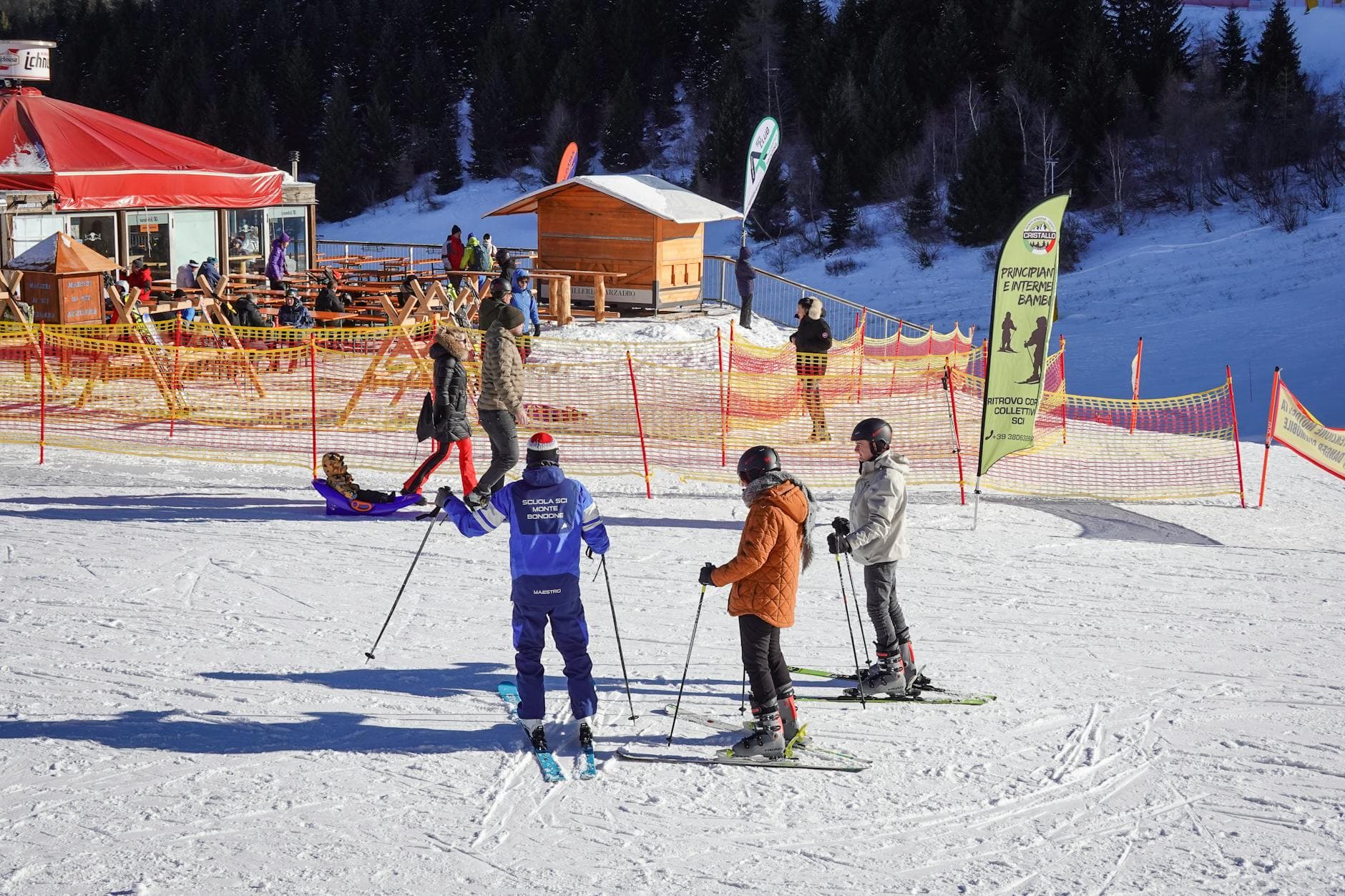
Las características para familias incluyen zonas vigiladas para niños, un carril de aprendizaje suave y un guía disponible para los recién llegados. La clave es un espacio abierto y seguro con pistas anchas donde los instructores adaptan los consejos a la creación de confianza; las horas dedicadas a dominar el giro y la parada básicos se traducen fácilmente en bajadas más largas y aventuras más profundas. Estos pasos aumentarán la confianza, y estos elementos mantienen la velocidad controlada y las multitudes manejables, incluso en los momentos de menor afluencia, con Italia y Mammoth ofreciendo altos estándares de seguridad y servicio de primera clase, ideales para dar la bienvenida a las familias.
Los consejos de seguridad incluyen el uso del casco, el ajuste adecuado del equipo y la supervisión activa de los niños. Comience cada sesión con al menos 10-15 minutos en terreno suave; observe las señales de la base; manténgase en el lado derecho durante las horas de mucha gente para facilitar el paso; lleve agua, bocadillos (golosinas silvestres) y barritas energéticas; empaca un pequeño botiquín de primeros auxilios; tenga un plan de respaldo en caso de que el clima cambie; mantenga una velocidad conservadora hasta dominar los giros y las paradas; comuníquese mediante silbato o comando verbal cuando sea necesario. Este deporte de nieve sigue siendo accesible para las familias.
Elija el equipo con cuidado: cascos, guantes, gafas y botas bien ajustados; vista en capas, aplique protector solar y manténgase hidratado. Además, planifique una ruta que pase primero por el área de aprendizaje clave, luego se abra a pistas más largas; los espacios abiertos simplifican el dominio de la técnica y aumentan la confianza, con trayectos cortos entre zonas que reducen la fatiga.
Italia y Mammoth sirven como ejemplos de primera calidad, de alta calidad y con reputaciones muy seguras; el enfoque enfatiza la instrucción guiada, los horarios claros y las rutas que dan la bienvenida a las familias, convirtiendo la aventura en un recuerdo duradero.