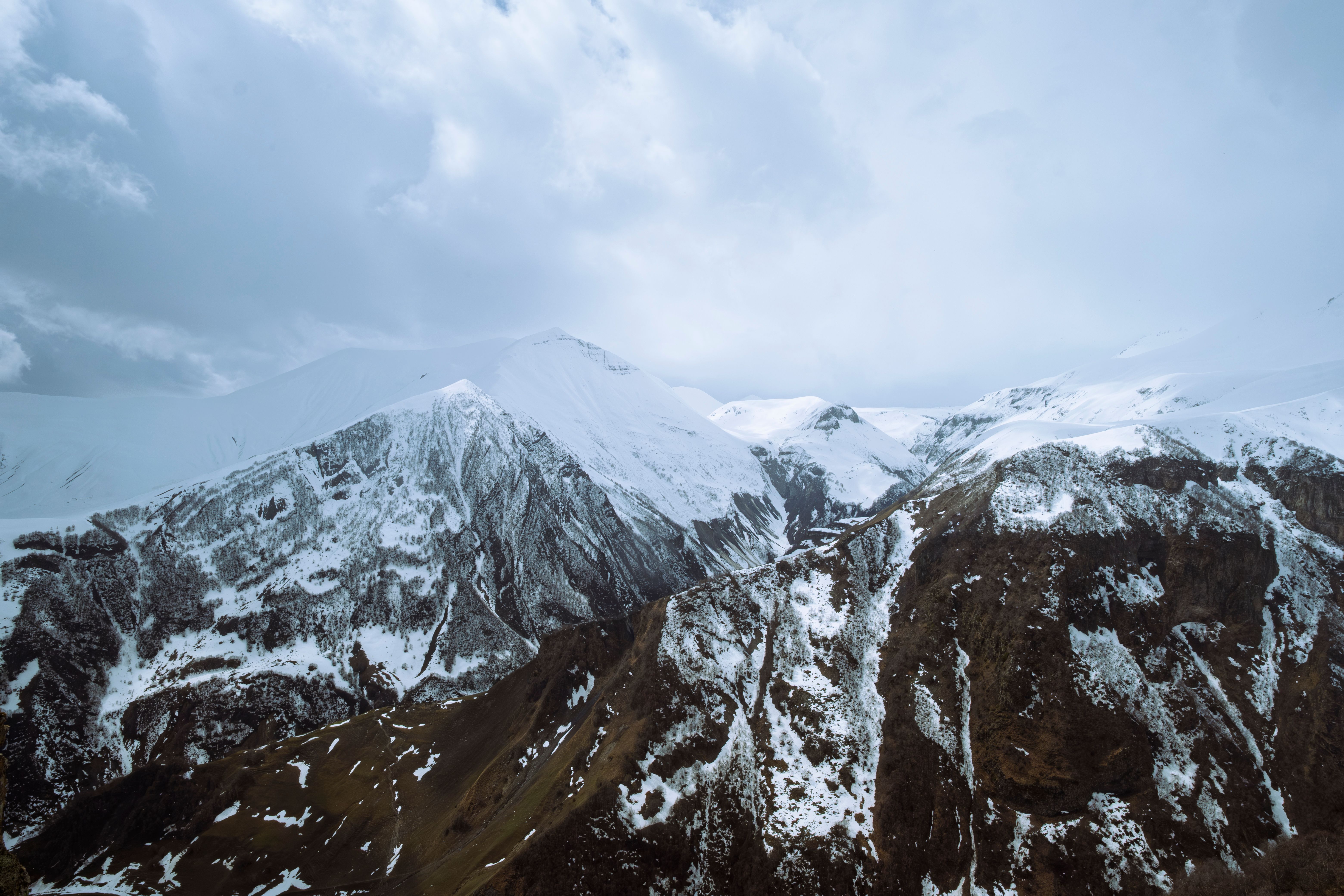
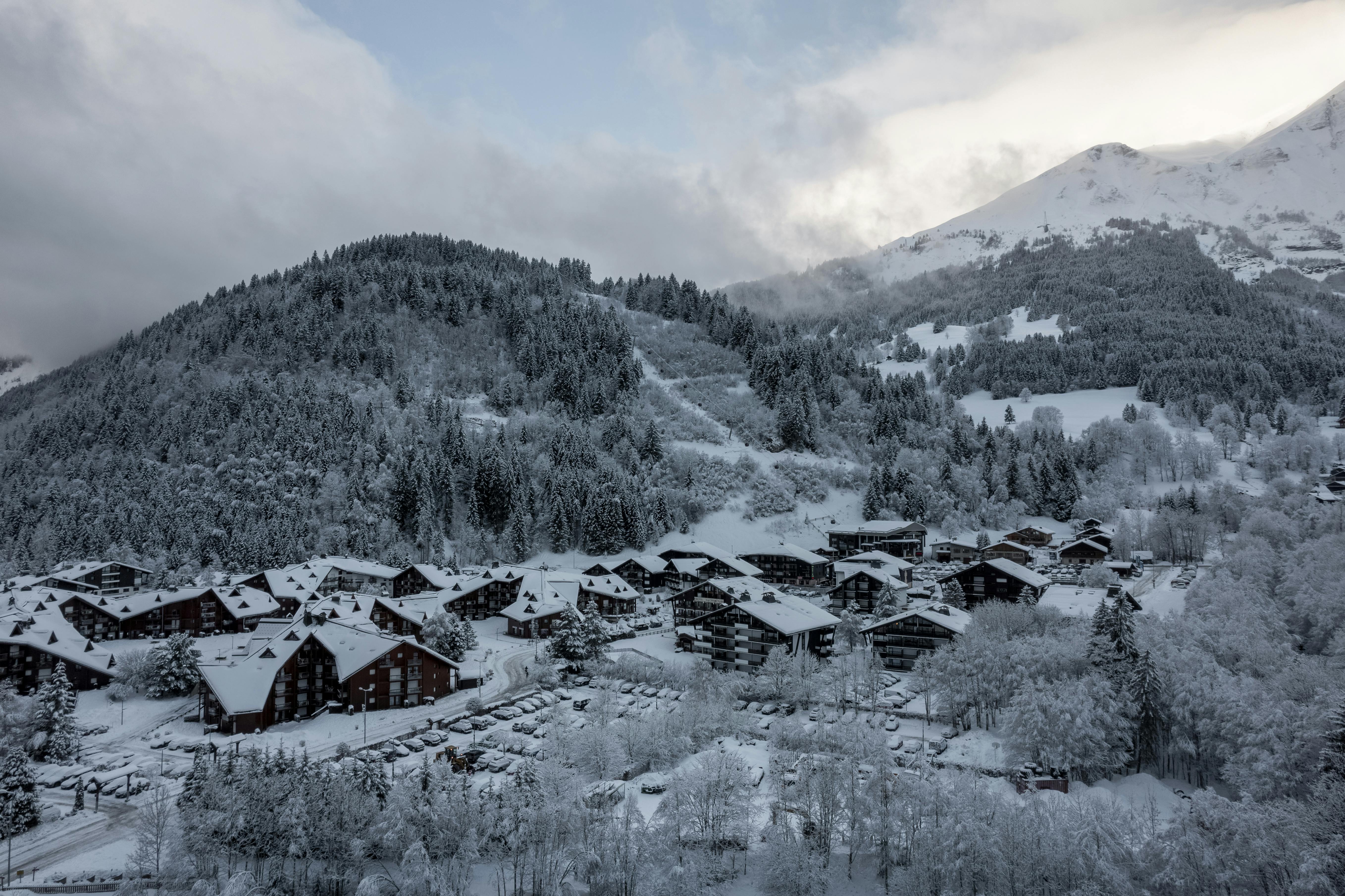
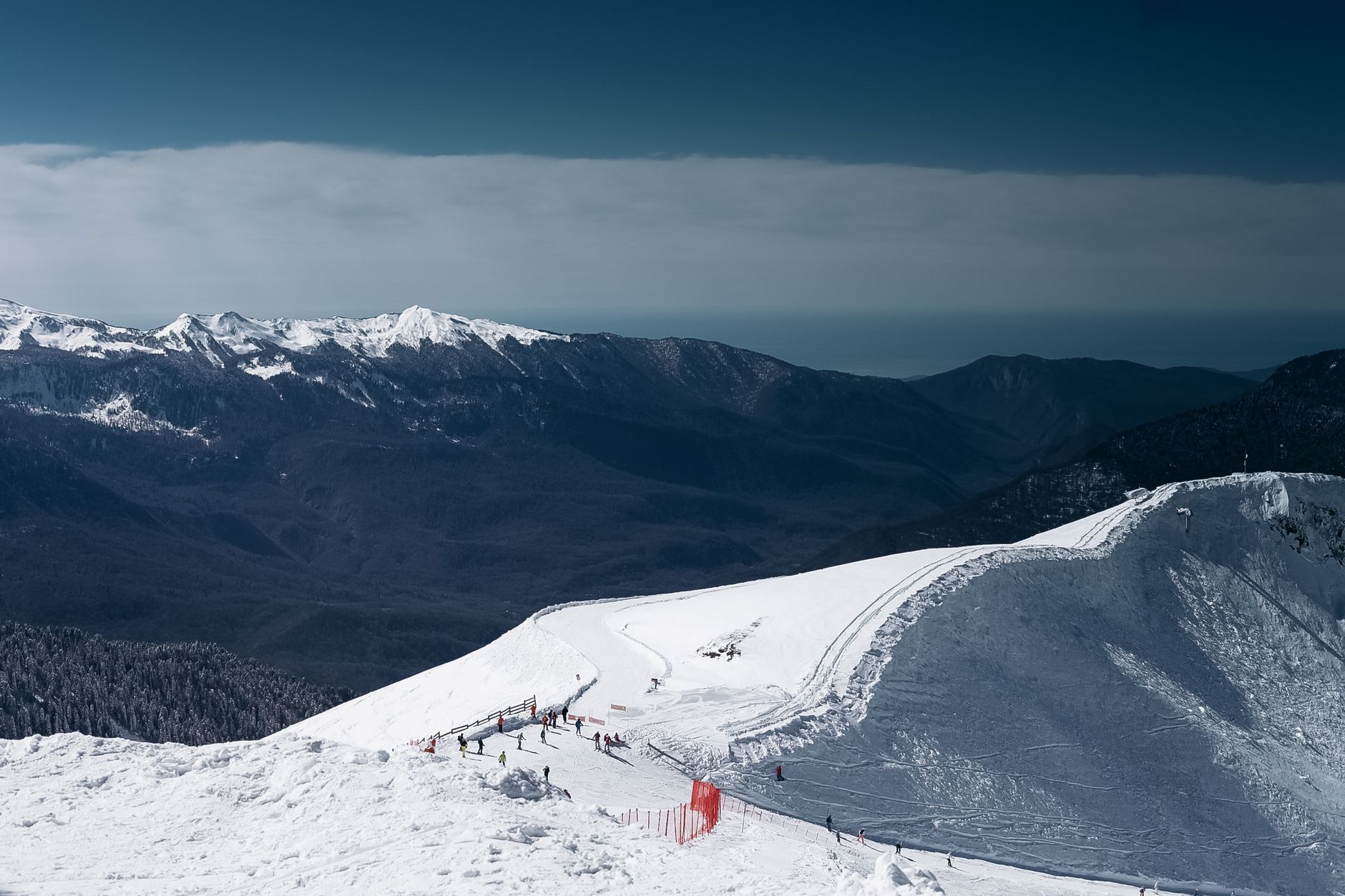
The best ski resorts in Chile and Argentina are Valle Nevado, Portillo, and Las Leñas. The South American ski season runs June to October, peaking in July and August — exactly when the Alps and North America are closed for summer. Chile's resorts cluster in the high, sunny central Andes near Santiago, while Argentina's spread south around Bariloche and Mendoza.
Choose Valle Nevado as your Chilean anchor for a fantastic start to the season. Just a short drive from Santiago, it offers a stellar vertical that suits beginners and experts alike, backed by a well-developed lift system and cozy mountain lodges at base. The resort makes it easy to plan a day and continue to other options that stay high and sunny most weeks.
From Valle Nevado, the cluster expands to La Parva (parva) and El Colorado, each with features like tree-lined runs, quick lifts, and a welcoming latin vibe. These features keep crowds manageable on weekdays and provide multiple options for intermediate skiers to practice vertical lines, while winds can shift in the afternoon, making pauses sensible under gusts, which might prompt a quick retreat to a sun-soaked terrace.
Across the Andes in Argentina, Cerro Catedral and Chapelco deliver a remote, alpine atmosphere with a broad mix of terrain. Cerro Catedral offers long, winding runs and robust off-piste, while Chapelco provides a cozy base village and accessible multipurpose slopes. For true high-energy chutes, Las Leñas stands out with demanding lines and a dedicated backcountry vibe.
Direct flights connect major hubs to the region, then short transfers bring you to the lift-served zones. Expect well-developed infrastructure, reliable snow from mid-winter to spring, and a range of lodging options that fit parva budgets and tastes, with latin hospitality adding warmth to evenings after your ski days.
The guide below helps map the best sequence: start with Chile’s classic resorts like Valle Nevado, then sample remote gems in Argentina such as Las Leñas and Cerro Catedral, and finish with a southern outpost for a late-season finish.
Begin with Valle Nevado as your anchor for high-altitude snow, quick access between bases, and a connected lift spine that keeps you on snow. From here, weave in La Parva and El Colorado for a compact, EPIC day loop, then cross into Argentina to expand terrain and scenic views.
In Chile, Valle Nevado sits at 2,860–3,670 m and links to nearby bases with a quad network for fast transitions; explore corralco for wilderness pockets and a volcanic backdrop, or stay in the central area for endless runs and sun. Here, groomers mix with epic bowls and hidden pockets that stay snow-sure into late season.
Argentina's top options include Cerro Catedral near Bariloche, Las Leñas in Mendoza, and Chapelco near San Martín de los Andes. Catedral offers a vast piste network with lake views and a lively village scene; Las Leñas delivers steep chutes and long lines for larger groups; Chapelco blends forested glades with a Latin vibe that suits families and intermediates.
Season and planning: The southern winter runs roughly June–October, with late-season times offering better value and shorter queues. Prices vary by resort and season, from budget midweek options to exclusive lodges, and may range roughly from $40 to $250 per day. The altitude and varied terrain ensure options for all levels, from easy greens to challenging lines.
| Resort | Country | Altitude (m) | Terrain Highlights | Season | Approx. Price Range |
|---|---|---|---|---|---|
| Valle Nevado | Chile | 2,860–3,670 | Linked bases, long runs, quad lifts | Jun–Oct | $60–$150/day |
| La Parva | Chile | 2,900–3,000 | Compact grid, steeps near summit, scenic views | Jun–Oct | $50–$140/day |
| El Colorado | Chile | 2,600–3,350 | Family-friendly, gentle to mid runs, terrain parks | Jun–Oct | $50–$120/day |
| Corralco | Chile | 1,700–2,400 | Wilderness bowls, volcano backdrop, fewer crowds | Jun–Sept | $40–$100/day |
| Cerro Catedral | Argentina | 1,040–2,100 | Vast network, lake views, village access | Jun–Oct | $70–$180/day |
| Las Leñas | Argentina | 2,000–3,430 | Steep chutes, long verticals, heli options | Jun–Oct | $100–$250/day |
| Chapelco | Argentina | 1,000–2,000 | Glades, forested runs, Latin ambience | Jun–Oct | $60–$140/day |
Visit Chile during peak mid-winter, roughly late July through August, for epic powder-packed days, wide-open runs, and crowds you can manage.
Season timeline: Most Chilean resorts run from early June to late September or early October. In a typical year, July and August deliver the most dependable coverage; early season (June–early July) can bring rain and variable snow, while late season (September–October) offers quieter slopes if storms cooperate.
Snowfall: Across Valle Nevado, Portillo, La Parva and El Colorado, typical seasonal snowfall ranges from about 2 to 4 meters. Mid-winter base depths run roughly 120–180 cm, with frequent powder-packed days after cold fronts that sweep through the Andes.
Crowds and planning: Weekends and school holidays are the busiest; mid-week visits keep lines short and parking easier. Buy your ticket online to skip long lines at the ticket boxes, and book accommodations several weeks ahead to lock in the best rates. If you’re getting here from dallas or other america destinations, expect a Santiago hub layover and a 1.5–2 hour transfer to the ski areas.
Travel tips and comparisons: For a broader Andean itinerary, a side trip to Las Leñas in Argentina is possible, but note the season alignment and longer transfers. Some travelers rank Chile’s resorts for wide-open terrain and reliable snow, while others prefer the edgier, taller steeps of Las Leñas–a contrast you can taste after a delicious Chilean wine. Always check local forecasts, as rain can melt snow early in the season; however, when conditions cooperate, you’ll drop into powder-packed mornings that feel truly epic.
Valle Nevado is the best base for a mixed-skill trip, offering sunny beginner zones and a connected village that lets you mind your pace as you progress from gentle start runs to longer blues and reds. From santiago, a shuttle ride takes about 60–90 minutes, which makes it a super option outside the capital and a favorite for america-based visitors, including those from atlanta.
Nevados de Chillán is the best family value: a well-developed resort with long, gentle runs, a snowpark, and affordable lodging in Chillán, near santiago. From the north or if you want to cut road time, consider flights to nearby hubs and a short transfer to the resort.
Nevados de Chillán – Known for value, this resort serves chilean and international families with beginner zones, a dedicated kids’ area, and an epic snowpark for all levels. Lodging in Chillán ranges from budget hotels to apartment rentals; many packages include lessons and rentals to keep costs predictable. If you know more about what you need, planners can tailor transfers; there are shuttle options and on-site services that let you unwind after a day on the slopes. Expect reliable snow through mid-winter, with plenty of family-friendly dining and activities in the base village.
Antillanca (Puyehue) – remote and affordable, this option keeps costs down while delivering wide-open terrain for all levels. It sits near Puyehue National Park, offering a quiet, latin vibe and friendly, hands-on service. Accommodations are modest inns and cabins, with simple meals served on-site. Trails pass cone-shaped pines along the routes, adding to the scenery and making the days feel calmer. For families who value space and nature, this is still an excellent choice; you’ll miss the crowds and still get solid skiing when conditions permit.
El Colorado (near santiago) – known for being budget-friendly and easy to reach, this hill suits families with beginner-friendly sections and gentle green runs. The on-site rental shops and affordable ski schools help control costs, while direct transit from the city makes a weekend escape practical. If you travel with kids, plan a two-day itinerary so you can unwind in the afternoon and explore santiago’s family-friendly museums. Wear warm layers and bring snacks to stay comfortable on the mountain.
Facts: midweek rates tend to be lower, and many lodging options include lessons or kids clubs to keep costs predictable. Whether you’re starting from the north or the south, all three picks offer friendly service, reliable access, and easy transfers. Know more on official sites and local tourism pages to lock in the best deals, and There are practical tips to plan your trip from there, traveling through chilean winter landscapes outside the city for epic memories.
Choose Bariloche as your home base for a reliable mix of powder, scenery, and easy access to Cerro Catedral's extensive runs. Bariloche features a mix of lake views and a little tree skiing, including access to Catedral's lifts. Bariloche is located in the Nahuel Huapi region of Argentina, offering scenic vistas of the valles, a lively domestic scene, and a night market near the center. This part of Bariloche's appeal is the easy access to a wide range of lodging, and it’s worth checking after the slopes. Expect winds that shift and a typical pattern of calm mornings with busier afternoons.
Las Leñas delivers impressive terrain for advanced skiers with exclusive steep chutes and a substantial vertical, located in Mendoza's high Andes. The resort features long, north-facing pitches, including several chutes, and a reliable lift system that keeps access smooth. Winds can gust on exposed faces, and snow can be limited in shoulder weeks, so plan for a little flexibility. In october, you may find pockets of softer snow on higher runs while lower trails firm up; tickets sold out quickly on peak days, and some packages sold out months ahead, so booking early is worth it.
Cerro Catedral, adjacent to Bariloche, offers the largest ski area in Argentina by piste count and an extensive lift network. It features runs for all levels, with a typical emphasis on intermediates and upper-exposure bowls for experts, framed by scenic views toward osorno on clear days. The home base draws domestic visitors and international travelers, making the resort feel exclusive yet approachable. In october, expect busy weekends and limited lift hours even on peak days when spring storms arrive; always wear layers to handle morning lows and midday sun. Dallas-based guides often run bundles that pair Bariloche lodging with Catedral access, a reliable option for a streamlined trip.
Book your chairlifts, passes, and lodging in one step to lock in better rates and a smoother arrival on day one. Recently, resorts in the southern hemisphere have expanded bundled options for families and solo travelers, making it easier to keep plans tight and hassle-free.
For lifts, prioritize chairlifts and gondolas that cut travel time between the village and skiable terrain. Look for high-capacity, cone-shaped towers and long runs that reduce waits and keep you on snow rather than in queues. If you explore a few days, a central lift hub serves you better than scattered lines below peaks.
Opt for a regional or multi-resort pass if your plan spans more than one ski area; these passes may be served across several countries in the hemisphere, and keep daily costs less until you switch from one zone to another. Look for options labeled pass or passes and check blackout dates so you don't lose value on busy weekends.
In villages built around the slopes, choose lodging with direct access and a short walk to the chairlifts. A few stars of comfort translate into cozy rooms, reliable heating, and easy access to scenic views below the peaks. If you want an authentic style, pick a village with a rustic feel and a central plaza where tours and après-ski have a warm, human style.
Rent equipment on-site or in the village to have gear checked by staff and avoid long transport to the hills. Check for snowpark gear if you plan to ride in a snowpark, and reserve boots and boards in advance during peak weeks when demand is high. Most shops have options to fit kids and beginners, and many offer ongoing maintenance during your stay.
Plan transport from the airport with options that are nonstop or quick transfers to the base. In many resorts on the east side of the Andes, you can reach the village within a few hours by bus or private shuttle, served by reliable timetables. If you drive, keep track of road conditions, as lows can dip late into the night, and road gates may close after heavy snow. For long trips, look at a scenic route that minimizes road hours and gives you views over frozen valleys and cone-shaped peaks. It adds adventure to your plans and keeps you ready to explore tomorrow.

Leave a request and we'll send a personal offer for your dates. One window instead of ten tabs — gear, transfer and car sorted and confirmed in advance.