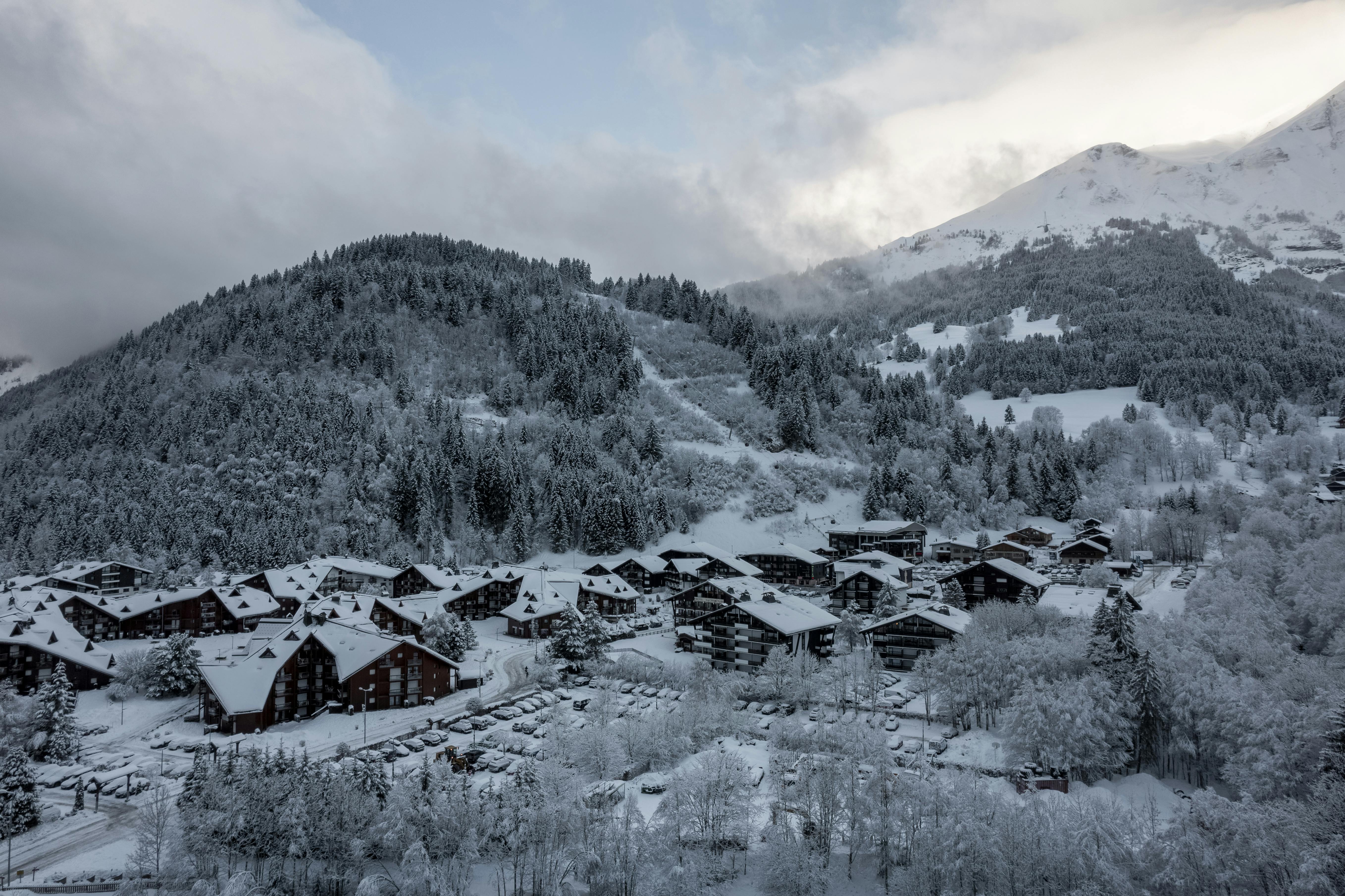
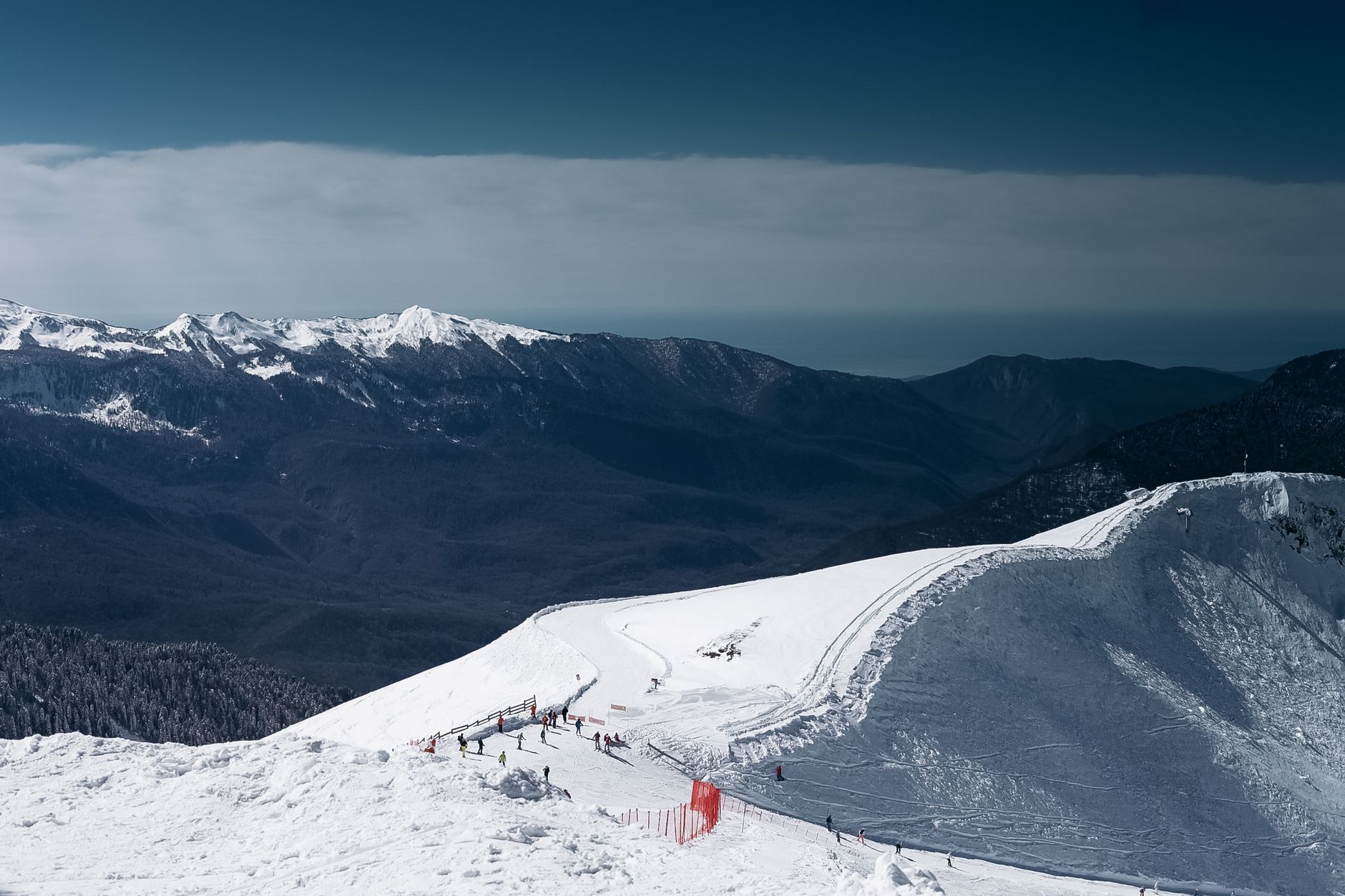
Three trails located at the foot of the valley are not-to-be-missed for beginners, with gentle grades that build confidence fast. The base-area lifts cluster around the village square, so you’re never far from a hot drink, and a quick look at the site map helps you map the morning routine.
The site can feel busy during peak hours, yet lines move quickly thanks to a well-designed lift system. A break between runs comes with a multitude of options, from wind-sheltered decks to sunlit terraces, so you can sample a hearty meat sandwich or a warm broth without losing pace on your day.
Come summer, aquasportif options and cyclo routes open up along meadow edges and forest paths, with footpaths staying accessible for families and beginners, and hours extending from early morning to late afternoon to accommodate every schedule.
Located in a compact valley, the network centers on three trails within a single lift loop, offering challenges for tourists who crave pace in a race against the clock while remaining approachable for newcomers. If you expect crowds, plan to ride first thing or later in the day, and consult the site map to stay on track–sure to keep your route comfortable and your mood high.
Choose a centre-based chalet and arrange a transfer on arrival; this will keep you close to chair lifts and pedestrian routes, reducing time spent lugging bags.
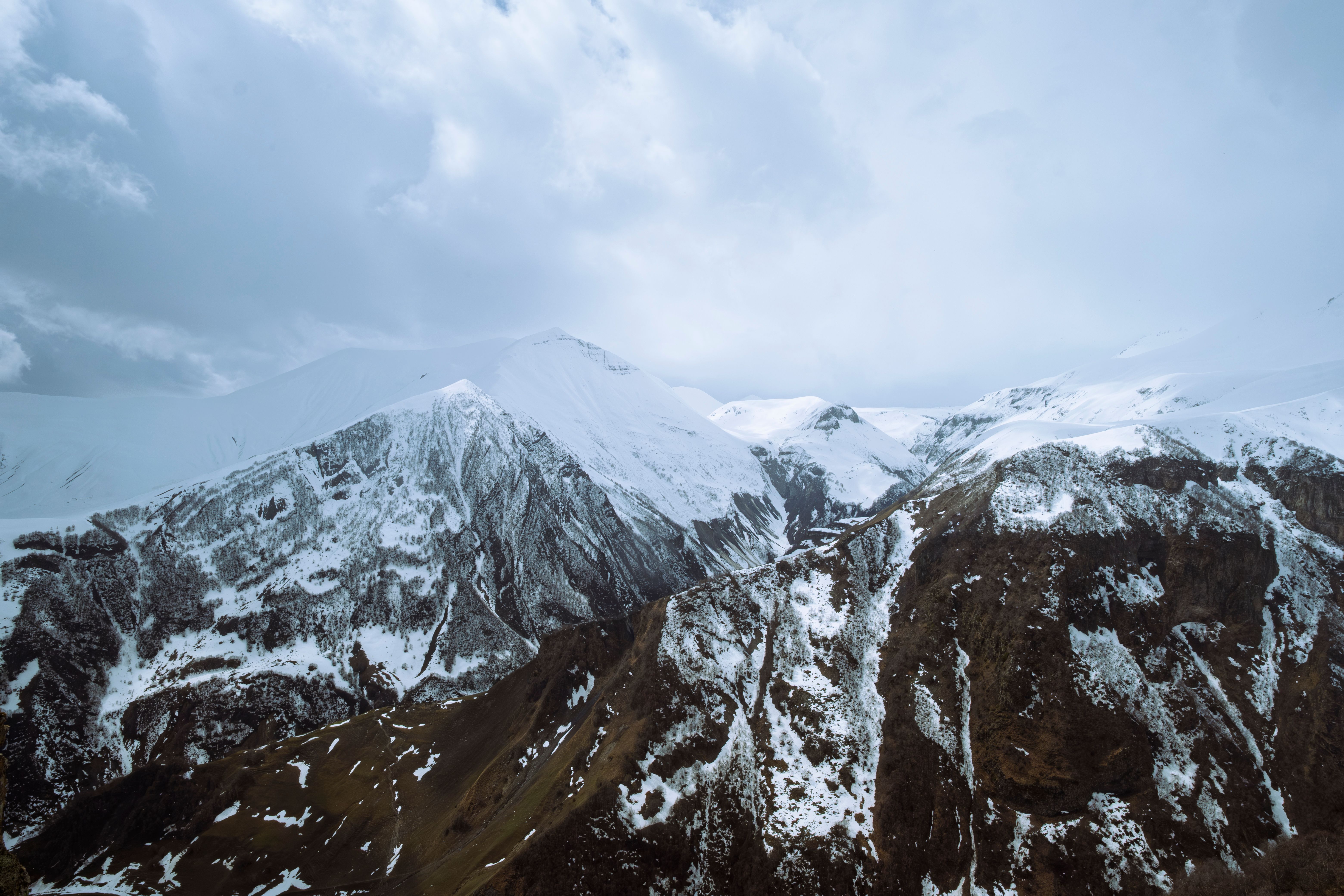
From the dorol area and braisaz-bouchet zone you can cross across massifs to enjoy different landscapes and scenery; horizon views reward you at midday, and buds of new snow often signal great conditions for the afternoon.
An expert planner would chose an itinerary that suits both beginners and seasoned travelers; certainly, you will have other options beyond the main pistes.
Book Chambéry Airport (CMF) as the first stop, and a 1h20–1h50 private transfer or shared shuttle delivers you to the valley village, the right first step for a smooth arrival.
For a regional option with more choices, consider Geneva International (GVA) or Lyon-Saint Exupéry (LYS). The GVA route runs about 1h50–2h50 by road, while LYS requires a rail link to the area and a total of roughly 2h30–3h30, with winter timetables occasionally tightening connections. If you’re traveling with a child, CMF remains the simplest and most predictable option, particularly in shoulder seasons.
The strongest rail link uses direct TGV/LGV services from Paris Gare de Lyon and other hubs to Chambéry-Challes-les-Eaux; from there, a regional bus or private transfer covers the 40–60 minute climb up to the base village. In peak periods, book ahead to avoid missed connections and ensure a smooth, right-on-time arrival.
Transfers from the rail hub are well organized: regional buses connect to valley towns, private shuttles offer door-to-door service, and car rental with winter tires presents a flexible alternative. In winter, road conditions can shift–carry traction aids and follow local advice. If you rent, you’ll enjoy the freedom to return along a different route for scenic panoramas over vast, green valleys.
For walkers and families, wide, adapted paths invite exploration, with a multitude of adventures on offer. The multi-sports facilities in the village support both quick runs and longer explorations, while horse rides provide another way to enjoy the Aravis foothills. Biodiversity-rich meadows and forests frame magical views, and the scenery lies along a path that remains engaging before and after every outing.
What to check before heading out: the timetable for GVA and CMF, and any potential missed connections. Before you depart, confirm snow chains or winter tires and reserve a transfer during busy periods. This approach lets you enjoy every moment and return with memories of panoramas, mountain air, and a right balance of warmth and adventure.
Go above 1800m for absolutely the most reliable snow window; target December through March, with April offering a forgiving spring phase if temps stay moderate.
Low-to-mid elevations around 1100–1500 m
Mid elevations about 1500–1900 m
Above 1900 m (high belts)
Strategic tips: to tailor your itinerary, speak with locals and instructors–they’ll map a path that aligns with your wants, whether you’re chasing a magical sunrise, a sheltered run after a fresh dump, or a relaxed day exploring a hall of tiny huts and cozy restaurants. If you want to maximize your self-sufficiency, pack layered gear, keep a light shell handy, and plan a pizza-and-coffee stop around a plateau overlook to recharge before the next ascent. For families and groups, there’s a multitude of safe, protected routes and park-friendly zones that let everyone enjoy the sport around the same area, with destinations that feel adapted for a variety of ages and skill levels.
Start with a two-hour group session in the easy green tracks area, led by a certified instructor. Arrange a transfer from Albertville or your village, with a driver meeting you at the base and returning after. This plan keeps parents relaxed while the group gains confidence on really gentle grades and a first sensation of speed.
Choose from three beginner-friendly options: a private lesson for tailored coaching, a small-group class with 4-6 participants, or a family package that blends practice with child-friendly activities for the little ones. The Beaufortain region adds a calm rhythm, and breaks between runs stay short so everyone can recharge quickly.
In the légette zone, expect a designated beginner track with a slow descent, a short lift or tapis to rejoin the base, and a parachute balance trainer to help new riders feel the sensation of turning. Clear signage and gentle gradients keep the learning curve steady so you really enjoy progress day by day.
Logistics matter: book early, especially during peak weeks; if you drive, arrive via the Dorol valley and park near the nursery area; plan a transfer back with the same driver to meet your schedule. The base is located near Dorol and the surrounding valleys, and the past dairy heritage of nearby villages still influences menus while offering magnificent views of the region's landscapes.
After your first morning, meet for a relaxed lunch and taste a local wine while kids recount their progress. This really is a family-friendly activity that lets parents see results and tailor the next day’s plan. Albertville is easy to reach, and the broader region presents stunning landscapes, spots to play for kids, and a warm, welcoming atmosphere for everyone to meet again that evening.
Begin with the Central blue run: about 3,600 metres long with a 590-metre vertical drop, to warm up before tackling tougher lines. These routes offer friendly gradients, reliable snow, and safety markers, ideal for ages building confidence early in the day.
Central bowl overview: located near the village hub, this area is well within reach and features a compact network of blue trails that feed into red connectors over the horizon toward aravis peaks. The total blue length is about 3,400–3,900 metres, with vertical drops around 480–640 metres.
Azure Ribbon (blue) spans roughly 3,500–3,900 metres with a 480–640-metre drop. A friendly choice for long, uninterrupted rhythm that strengthens technique and tempo, and integrates smoothly with main lift connections.
Crimson Descent (red) runs 1,600–2,000 metres, with a 400–700-metre vertical; it weaves through sunlit lanes and shaded gullies. This line is popular for progression, with varied snow conditions that reward good technique during morning care and safety checks. These routes are famous with locals and tourist groups.
Night Ridge (black) offers steeper pitches across 600–900 metres, with a 320–600-metre vertical drop. Expect tight corners and occasional windblown sections; best tackled with a partner or a local instructor when visibility is good.
Towards the aravis horizon, the ridge zone features granite-like stone outcrops and sweeping views across flagged pines. These lines provide magical panorama and demanding line choices; red runs here run about 2,100 metres with 650 metres of vertical, and blacks around 900 metres with tighter sections.
Mont sector: located above the main village, this area concentrates steeper blues in progression and more demanding reds. The blue circuits total around 3,000–3,600 metres, reds around 1,400–2,000 metres, and blacks around 600–900 metres.
Facilities and access: chalets and huts line the bases, offering friendly warm meals and stone architecture, while a small church sits near the base area. For updates or to plan a day, contact the concierge via email: [email protected]. Various lift facilities ensure easy access, and safety reminders are posted in multiple languages to accommodate tourist groups. If you’re disappointed by crowds, plan to ride early or late and use off-peak slots when possible.
Park in the Family Lot by the base and book online ahead; reserved spaces ensure easy access for prams and gear; the lot links directly to the lifts area and the nursery slope entrance; arrive early on weekends for smoother movement with small children.
Take the first lifts for gentle routes; lines stay short before mid-morning, and friendly staff help with buggies and harnesses; from the top, sight across the canyon reveals a beautiful valley; cross to the next green and blue tracks with short traverses.
Nursery slopes provide a safe zone with a small belt lift and easy access for beginners; supervision is available, and a kid-friendly zone includes games, parachute activities, and wood toys; a snack corner offers fresh salads and light bites for parents; toilets and changing facilities are nearby.
Facilities cover essentials in a compact layout: a Benetton shop for warm layers, plus a cozy family lounge, and outdoor seating; many signs and clearly marked lines keep kids in view; drive from geneva via the motorway, then roads above the main line reach the plaza; there are reserved parking spaces near the plaza; the grounds are green and well maintained.
Make a late lunch reservation at amaya to secure a seat on the sunlit terrace, where cuisine blends heritage with modern twists and the view over the village is truly great and a delight.
On-mountain dining clusters around the Diamant piste. Two village-style restaurants offer hearty, traditional dishes and seasonal plates; for a quick break between snowshoe routes, choose a spot near the ariane lift to savor warm soup and crusty bread while tracks open up to expansive views.
Après-ski options start at hall with warm drinks, small plates, and occasional live music; the atmosphere blends traditional warmth with a modern edge. Please chose a spot in the upper lounge for a quiet breaks, or gather near the fireplace for a great social moment after the busy period.
In-destination amenities run year-round. In summer, bike rentals and guided routes keep the action going; an equestrian center offers daytime rides, while hikers can pick from several marked tracks with heritage markers along the way. The location makes it easy to extend a trip with a sunset ride or a family visit to the heritage hall to learn about local craft and history, with staff ready to explain them.
| Venue | Theme / Cuisine | Best Time | Notes |
|---|---|---|---|
| amaya | modern-cuisine with heritage influences | late lunch to early dinner | terrace with village views |
| diamant Café | traditional soups, grilled fare | noon | quick service, warm chocolate |
| Hall d'Altitude | après-ski vibe, live music | evening | cozy fireplace, modern lounge |

Leave a request and we'll send a personal offer for your dates. One window instead of ten tabs — gear, transfer and car sorted and confirmed in advance.