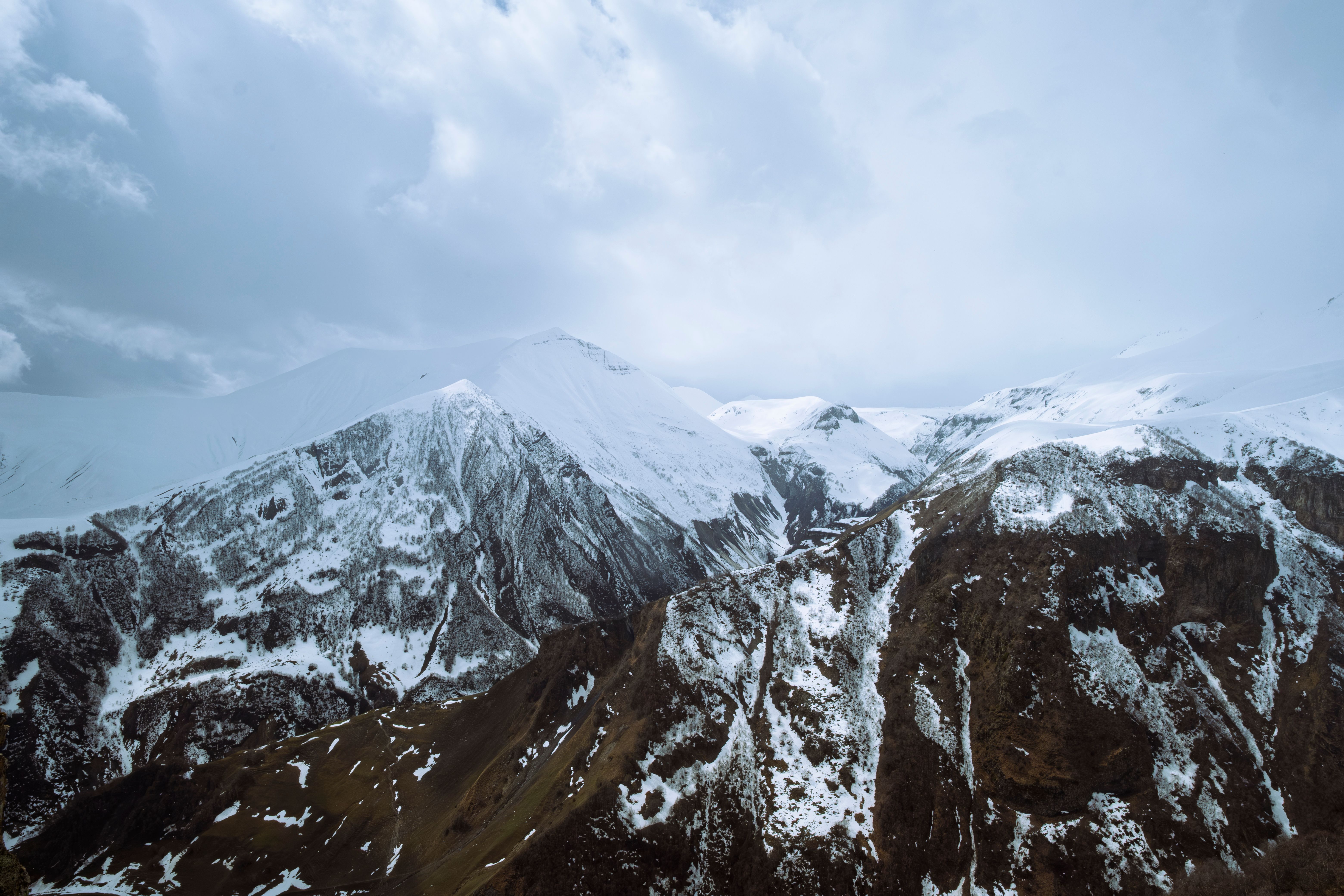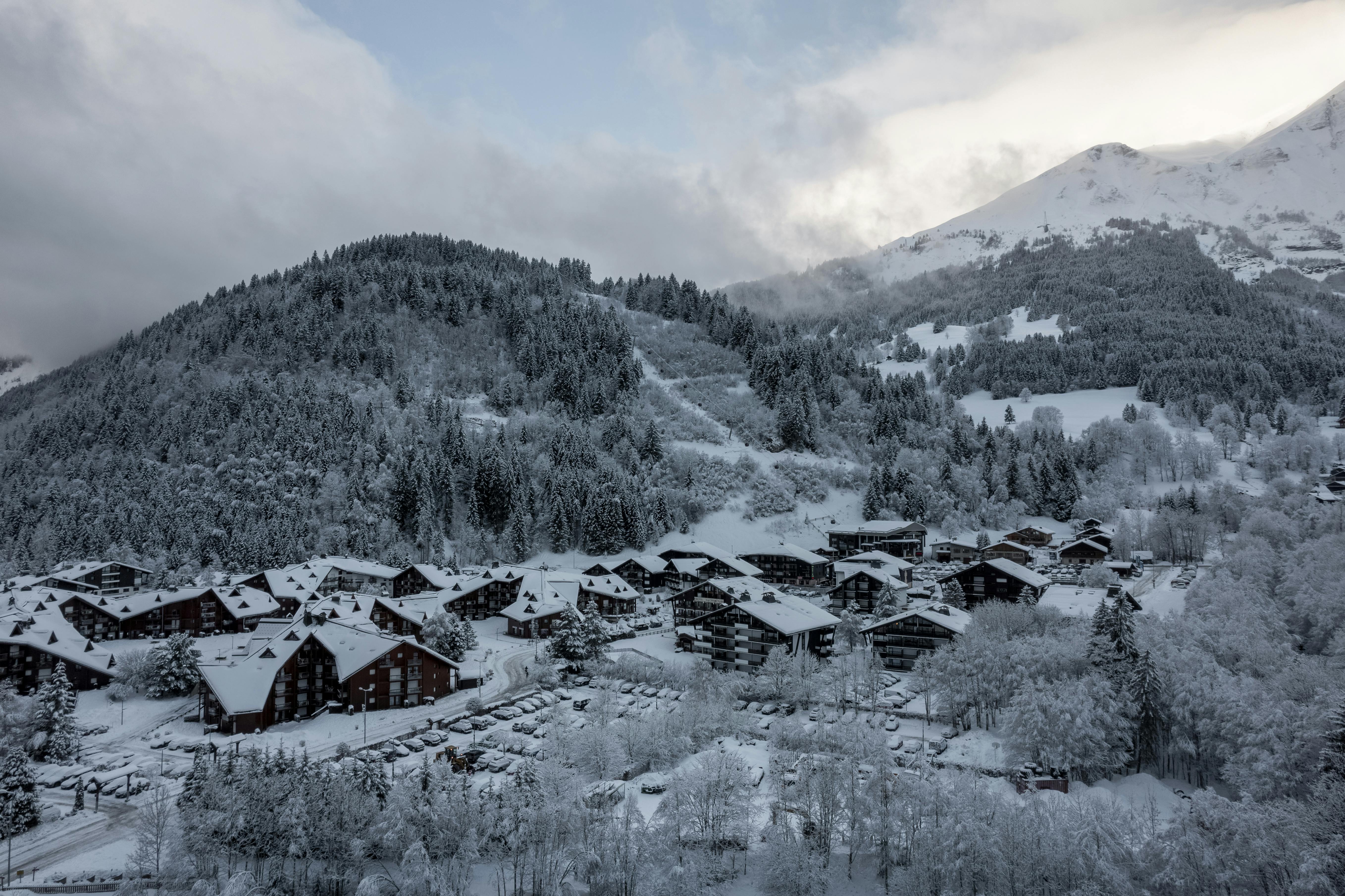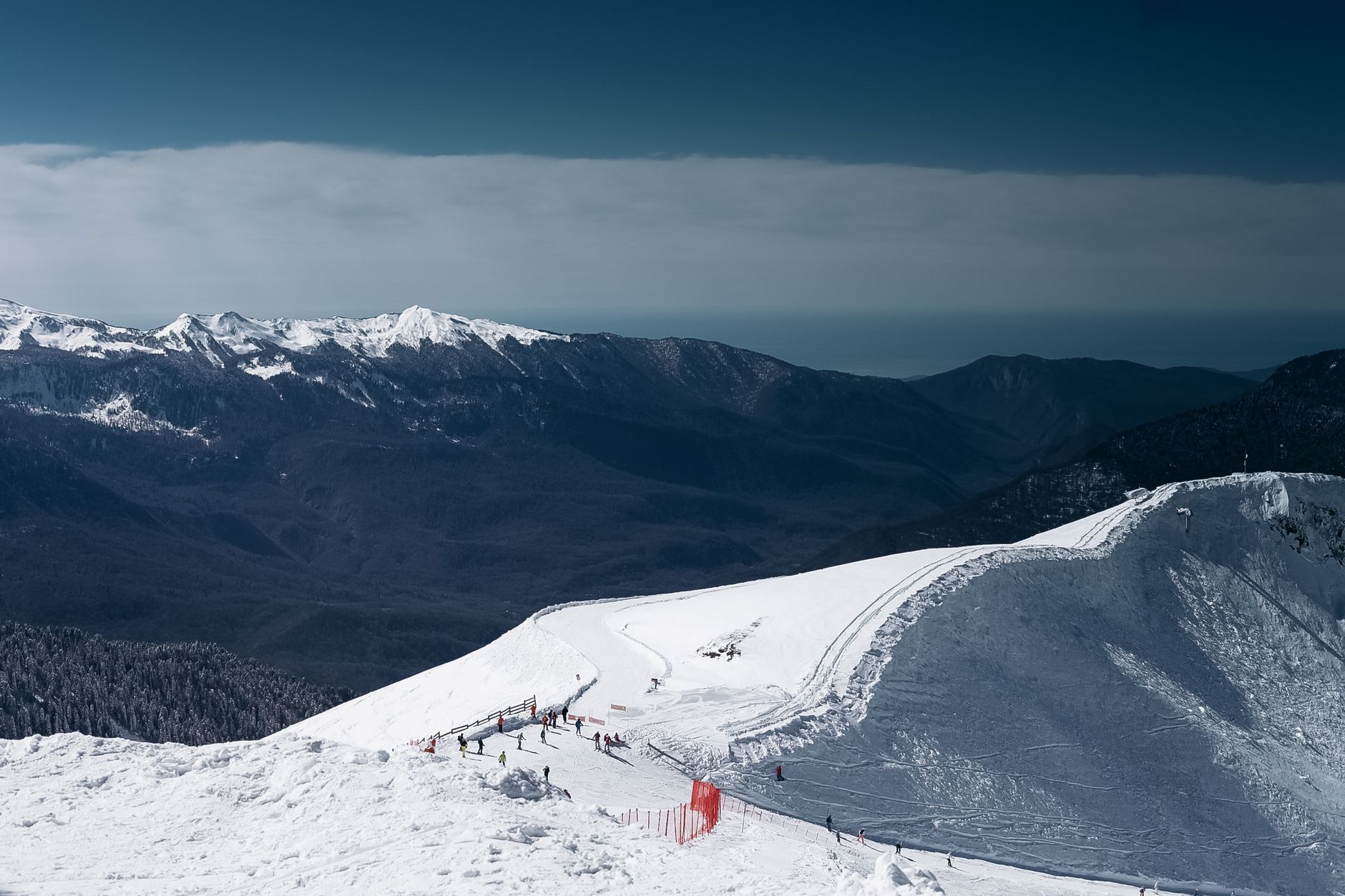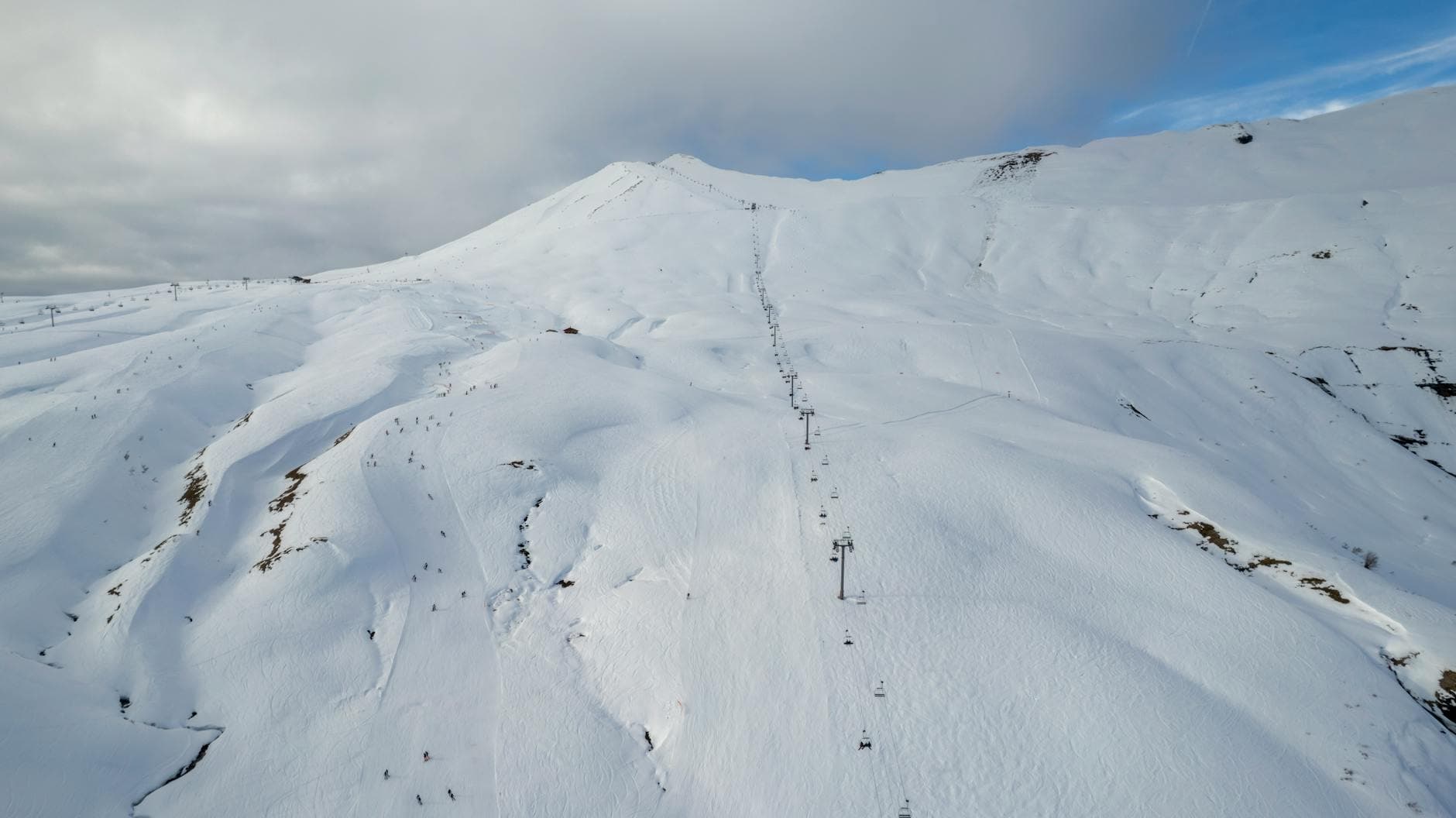
Go for a shoulder-season escape to a charming French town to savor iconic walks without crowds. Mild air in early months; lively markets wake up, orange sunsets spill over green hills, and fresh produce lines riverside paths. Atmosphere invites a traveler and beginners alike to relax and soak in pace.
Riverside routes and forest trails present options with varied elevation levels, while surrounding hills reveal limestone features and hidden vantages. Pass by traditional houses with wooden balconies, then drop into a café for a hot drink and a pastry. For a touch more challenge, longer routes lift you toward panoramic viewpoints over the valley.
Luxurious experiences surface in intimate, well-curated stays that stay affordable. Smaller inns and guesthouses offer thoughtful touches, from locally baked bread to maps for self-guided routes between markets and viewpoints. Breakfasts pair fresh croissants with seasonal fruit and coffee, often accompanied by a light chat with a host about best times to hike.
For a traveler new to this area, atmosphere feels welcoming: short routes, placid tracks, and well-marked signs make starting simple. Beginners can begin with a circular walk along river, then switch to a slow detour into surrounding lanes to observe local life without rushing.
Seasonal tips to maximize enjoyment: go when light turns warm and air feels fresh, and keep an eye on market dates to taste local specialties. Orange glow at sunset over green rooftops enhances photography, while mid-afternoon breaks let you relax in a shaded square with pastry and drink.
In warmer months pace changes, yet town remains accessible: lifts make nearby viewpoints reachable in minutes, and you can pair a gentle ascent with a slower dinner back in town, keeping evenings lively without losing quiet charm.
Begin with a sunrise walk to Cirque du Fer à Cheval, a grand opener that sets the tone for a weeklong trip and reveals wild rock walls carved by torrents.
Choose a grand, safe, luxurious lodge with spa facilities and private balconies facing the massif, so evenings close in with a toast and a view.
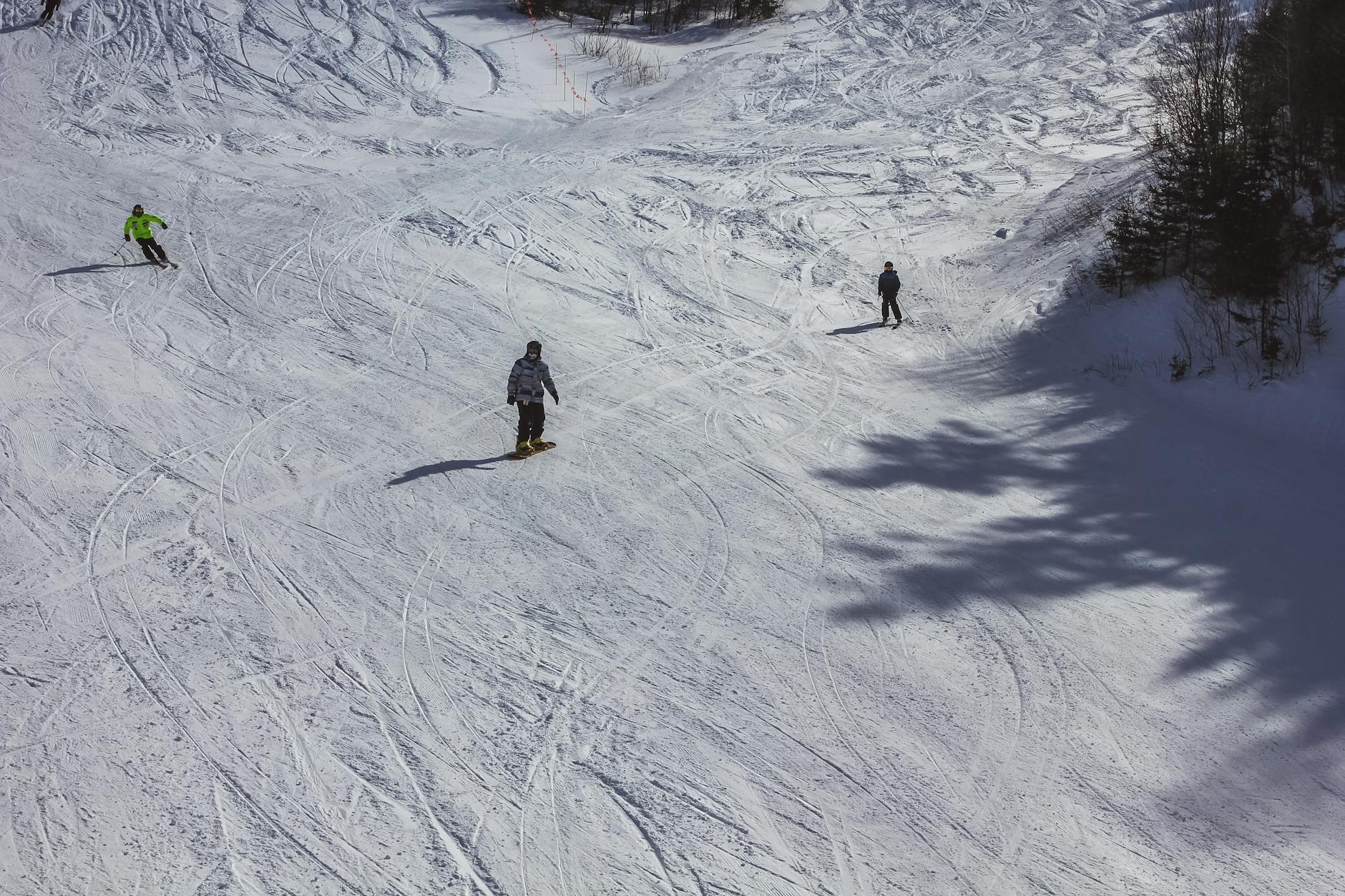
Snowboarders will find the nearby Grand Massif slopes accessible, with long runs, powder pockets, and reliable snow. During peak times some lifts run shorter hours, so plan ahead and book passes in advance.
Wellness options span steam rooms, massage therapy, and outdoor terraces that overlook pine forests; learn about Savoy wine during cellar tastings that pair Mondeuse and Jacquère with local cheeses.
Town spot draws people from nearby villages, turning evenings lively with markets and live music. A stroll along riverside paths offers easy access to cafés, bakeries, and a riverside walk that becomes a favorite for a quick coffee or a longer stroll.
Walks suit every level, from gentle lake paths to longer ridge routes; fitness levels differ, yet routes are clearly marked and well signposted. Eager hikers can extend a day with a short via ferrata option, while snowboarders can switch to a scenic blue run before dusk.
Shoulder-season itineraries keep crowds small and prices reasonable; thanks to efficient transport links, you can arrive closer to peak experiences and return feeling refreshed and focused. People juggling an office routine can use these breaks to reset energy and start the week with renewed focus.
Close with practical tips: bring layers, a compact rain shell, and a daypack with water, snack bars, and a compact camera to capture birdlife and limestone shapes.
Rail option yields fastest arrival: Paris to Genève-Cointrin on TGV, then regional line toward valley town, followed by a 40–60 minute bus to village center. September services rise to hourly, connect to nearby villages and a castle overlook. Total travel time approximately 4.5–5.5 hours depending on transfers, with visiting options for touring and sightseeing.
Road route: from Lyon drive 2.5–3 hours via A6 then D435 through valleys, with scenic stops at smaller villages for balance and charm. Parking options include covered lots near village center; major routes offer good surfaces, while mountain pass sections may close in heavy rain; check weather in september.
Bus option: daily coaches from Genève, Lyon, and Paris suburbs connect to hiking trails and lakes; schedules rise in september; all-inclusive day trips simplify touring, with visits to shops and charming villages; connections align with visiting groups; this route becomes a paradise for families and solo travellers.
Seasonal note: september brings largest daylight hours and quieter trails; visiting along market days allows connect with locals and shop for regional specialties; alpine valleys host species of flora, creating picturesque scenery; this escape becomes a paradise for travellers seeking balanced pace and charm.
Opt for a lakeside chalet in mont-blanc valley during september for best value: quiet evenings, a kitchen to craft dishes, and easy access to markets, bars, and wild spots.
Chalets in smaller villages around mont-blanc deliver standout value in shoulder windows. Rentals with 1-2 bedrooms commonly run 60-100 EUR per night for september, climbing to 90-140 EUR for march or high-activity weekends. A full kitchen helps you skip restaurant meals, so you can enjoy dishes at home and save money. Look for spots with easy access to lakeside paths, climbing routes, and snowshoe trails. Peaceful settings away from crowds are typical; many come with a terrace or cave-like storage area for gear. Availability is strongest midweek; check hours for express check-in and early departure options. Bird species can be spotted along shore, adding a touch of wild spots to a quiet stay.
Hotels in mid-sized towns near lakeside offer steady value during shoulder times. 3-star options include indoor pools, express check-in, and breakfast options. Rates range roughly 90-150 EUR per night in september or december, with shorter stays cheaper in march. Choose rooms with balconies for fresh air and daylight; proximity to markets and bars saves time on evenings. Booking should verify cancellation policy and parking inclusion; some properties provide access to nearby rec centers. Views of blanc peaks adorn many rooms, enhancing ambience as you plan day trips around mont-blanc.
Apartments and rentals offer maximum flexibility for families and groups. 1-2 bedroom units with full kitchens keep costs under control and let you enjoy french pastries from local boulangeries. Typical rates run 70-130 EUR per night in september and october; 60-110 EUR in december or march, with discounts for weekly stays. Look for listings with laundry, dishware, and dedicated dining space for meals. Lakeside locations with quick links to lakeside paths and short hikes around mont-blanc appeal to soul-seekers. Availability can be tight around dates; book early and confirm dates that fit plans, such as september, december, or march.
Always bring a compact waterproof shell and a warm mid-layer to handle sudden changes in temperature and rain at higher altitudes. Exhilarating views reward smart packing. This approach suits their pace and wants, offering reliable coverage across shifting moods of day.
Layering strategy: base layer with moisture-wicking fabric, a warm mid-layer such as fleece or lightweight down, and an outer shell that blocks wind and rain. Suitable for day trips and those chilly evenings.
Footwear should be versatile: waterproof hiking boots or trail runners with solid grip; consider gaiters if patches of slush appear on high-altitude pistes or near waterfalls.
Weather-accessories include a hat, gloves, and sunglasses; add sunscreen and lip balm; a compact umbrella or rain pants keep you comfortable during sudden showers. Point: keep extras to a minimum to stay nimble.
Pack a compact daypack with easy-access pockets for a picnic blanket or small rug; this makes exploring gardens, wild places, and cave sites more comfortable. Savoyard snacks and aperitifs work well for a relaxed break in chalet atmosphere.
Evening mood: a small portable speaker for music adds to relaxed atmosphere during aperitifs on chalet balconies or by garden trails.
| Item | Why it matters | Packing tip |
|---|---|---|
| Waterproof shell | Protects against wind and rain across variable days | Keep in outermost pocket of daypack |
| Warm mid-layer | Delivers warmth during chilly mornings and evenings | Compressible; stash in side pocket |
| Base layers | Moisture management on long explorations | 2–3 lightweight tops; rotate |
| Bottoms | Dry comfort on damp trails and sunlit boulders | One quick-dry pair plus optional rain pants |
| Footwear | Grip on wet stones; support for uneven ground | Break-in period; carry spare socks |
| Accessories | Protection from sun, wind, chill | Gloves, hat, sunglasses in outer compartments |
With this setup, exploring caves, waterfalls, and heritage places remains comfortable, letting you enjoy beauty, atmosphere, and unspoilt landscapes without distraction.
Recommendation Start a 2.5 km loop from village center, along river, through quiet gardens, and return via a shaded woodland track. This scenic circuit easily stays under 60 minutes for a family, with a gentle 60–80 m elevation and clear signposts.
alternatively, opt for shorter 1.5 km stroll around ancient gardens and a riverside promenade, with seating alcoves and views over valley for a relaxed morning that feels such easy pace.
Family activities: organize treasure hunt along shaded lanes, spot birds near water, or complete simple photo scavenger list at three viewpoints. Paved sections aid strollers; they ease movement, while short detours add variety and keep feel calm, with a chance to meet friendly locals.
Accommodation options range from quiet cottages to bourgeoise-style resorts, all between mountain slopes and riverbanks, with family-friendly services and flexible meal plans. Choose a place within easy reach of trails for easy access and fewer transfers. Affordable accommodation is available in several village clusters, with options for self-catering and kid-friendly menus.
Gardens & food: gardens feature herbs and flowering borders; markets offer local produce for a picnic featuring cheese, bread, and fruit. Many spots highlight artisan crafts, tornalta accents, and sweeping views that boost mood, love for outdoors, and a sense of magic.
Gifts & experiences: look for unique souvenirs from artisans, enjoy a tasting at a small gourmet stall, or sample regional desserts after a valley walk. This mix of scenery, quiet pace, and variety really creates a memorable escape that feels ancient and timeless.
Choose your pace: bring a light jacket, and let mountain breeze reset mood; a shorter option pairs perfectly with a cafe stop, while longer extension along riverside path adds a sweeping finale to a relaxing trip you come away from with renewed energy.
Go to village market at first light for direct tastings of seasonal bites: beaufort and blanc cheeses, carroz, plus crusty loaves that pair with botanical oils and garden herbs. Quiet lanes wind along rivers, where stalls sit beside stonework and old guild signage from stonemasons, giving it a tactile, craft-forward mood.
Introduction to rhythm: markets run near town center and along waterfront, with fresh produce, dairy, and prepared foods. In december, you’ll find warm soups and roasted nuts that sustain walks under skies; forecasts favor easy strolls with minimal rain. kathryn leads easy, food-focused tours that weave from market stalls to riverside picnic spot, stopping at near-by farms for direct-from-farm ingredients.
For a compact plan: a morning market circuit, a midday chef-led dish demo, and a late-afternoon riverside picnic with a curated selection of local cheeses and breads. This sequence offers a robust reason to linger, mixing flavors with village's quiet, skies-tinted charm and people who keep season’s markets thriving without heavy crowds.
Leave a request and we'll send a personal offer for your dates. One window instead of ten tabs — gear, transfer and car sorted and confirmed in advance.