العربية
  English (UK)
  Deutsch
  Français
  Русский
  Türkçe
  Polski
  Українська
  Italiano
  Português
  Español
  日本語
日本語  简体中文
简体中文  한국어
한국어  Čeština

 أفضل 15 شيئًا يمكن القيام به في النرويج - دليل سفر شخصي بناءً على تجربتي" >
Start with an overnight in gudvangen to greet dawn over fjords and towering cliffs. This choice puts you in the heart of norwegian scenery, where a short walk to mostraumen reveals mist-sheathed water winding between rock faces and opens room for wildlife sightings.
Ride the railways from Myrdal to Flåm for a cinematic, kid-friendly trip that lasts about an hour and delivers panoramic views of waterfalls, snow-dusted peaks, and frequent opportunities to stand by wide windows to catch wildlife in motion. Bring snacks, a thermos, and a warm jacket; the train’s rhythm makes the valley feel intimate.
In march the light is soft, the air is crisp, and the mood is outdoorsy – frost clings to pine, trails stay quiet, and the particularly vivid views along fjord edges invite little detours that fit a family schedule. The ground may stay frozen in shady corners, and sound carries høyt across the water. Practically, you can pair short hikes with indoor breaks to thaw coats and sip hot cocoa.
For younger travelers and every family member, plan flexible days so you can stand still to watch sea eagles or dip toes in sheltered coves. The adventures feel big even when the pace stays gentle, and the whole crew gains confidence with each small discovery.
Gudvangen and its surroundings offer easy, kid-friendly inlets and short hikes that still deliver photogenic views and dramatic panoramas of the evening light on the water. A short boat spin to mostraumen adds a quiet, outdoorsy angle, with tides that shift gently from hour to hour.
As you plan, think about overnight stays that reduce driving fatigue and let you wake to crisp air and rising sun. Several family-friendly lodges in gudvangen offer norwegian hospitality, warm meals, and space for little ones to wander safely, creating a practical rhythm for a weekender or longer trip.
When youre mapping your route, youre choosing moments over mileage–a seal sighting, a pause at a quay, a little café stop, and a sunset over a sheltered cove. These tiny details define your adventures and make the trip uniquely yours, not a checklist.
Past trips taught me to embrace flexibility–to swap a planned long hike for a short, sheltered stroll when wind picks up, or to linger by a fire pit in a village hall. The result is outdoorsy memories that feel timeless and deeply norwegian, even if you only stay for a couple of days.
Practical Guide: Top 15 Experiences in Norway
Find options that fit your pace: less crowded days, down-shift to open-air activities, and balance seasoned tours with easy days.
Arrive oslos, plan a september loop that links a longer boat sail through fjords with a stay in reine, lofoten, and a final open-air coastal cruise.
| Experience | Details |
|---|---|
|
Open-air fjord cruise |
Geirangerfjord or Naeroy; 4–6 hours; season windows: september ideal for calmer seas; boat with deck seating; families and adults find it easy; booking ahead recommended; bring windbreaker |
|
Lofoten: Reine stay and Moskenes tours |
2–3 nights in a traditional rorbue at reine; day tours to Moskenes, Hamnøy, and Seagull cliffs; strong photography; longer daylight helps; sea-watching potential; tours open-air |
|
Oslo funicular to city sites |
Holmenkollen ascent, 30–40 minutes; easy for older travellers; suits families and adults; line to top; combine with museum stops; seats shaded |
|
Flåm Railway ride (Flåmsbana) |
Round-trip 2.5–3 hours; scenic line with steep grades; best in morning to avoid crowds; book early; ticket costs NOK 500–1000; bring camera |
|
Bodø–Lofoten sea passage |
2–4 hours by boat; check weather; cabins available; cheaper off-peak; use passes if you plan longer travel; seas can be windy |
|
Denmark to Kristiansand ferry |
2.5–3.5 hours; board at Hirtshals; lounges and café; good reset day; plan for meals; tickets include a flexible seat |
|
Atlantic Road coastal drive |
8 km with multiple passes across a dramatic coastline; best with mild seas; stop at small hamlets; car rental recommended; strong coastal views; open-air photo ops |
|
Runde Island seabird cliffs |
Seasonal seabird viewing; access by short hike or boat; tebrødstenger lookout included in some tours; bring windproof gear; respect nesting zones; easy to moderate pace |
|
Vesterålen whale-watching tours |
Season May–Sept; 2–4 hours; guides on deck; waterproof jackets provided; families and adults; choose operators with marine-safe practices; cancel rain days |
|
Nidaros Cathedral and Trondheim sites |
Cathedral interior tour + riverfront stroll; 1–2 hours; accessible paths; combine with Bakklandet coffee stops; suitable for easy days; plan for renovations |
|
Senja scenic drive and short hikes |
Ring Road around Senja; 2–3 hours driving; choose 30–60 minute hikes; Segla viewpoint; best in september light; flexible for families or adults |
|
Geirangerfjord micro-cruises |
Small-boat tours around the fjord; 1–2 hours; afternoon slots reduce glare; line capacity limited; open-air seating; go early or late to avoid crowds |
|
Lofoten night-time kayak tours |
3–4 hours on open-water; guided routes near calm bays; for adults with basic paddling; easy segments possible; wear dry suit; sunset to starlight skies |
|
Vega archipelago cultural stays |
2–3 days; island-hopping by boat; UNESCO-listed, open-air museums and sustainable fisheries; book ahead in september or summer; strong tradition; family-friendly |
|
Målselv valley winter activities |
Cross-country skiing and snowshoeing; 2–3 days; easy routes at family-friendly pace; equipment rental on-site; check snow and daylight; older travelers may prefer shorter routes |
Plan a 10–14 Day Route: Oslo to Bergen by Train, with Scenic Fjord Stops
Start with a 12‑day timetable that keeps the main line intact, adds a 2‑day Fjord break in Flåm (including a Nærøyfjord cruise and the Stegastein overlook), then finishes with a full Western fjord arc into Bergen. Departure from Oslo S should be early enough for daylight in the high country, and all connections are designed to minimize transfers that are unnecessary that day.
-
Day 1 – Oslo. Arrive Oslo, stroll along the Aker River footpaths, and photograph the harbor. Stay in a traditional Nordic-style hotel near Oslo S to keep departure logistics simple. If time allows, visit the Viking Ship Museum or the Opera House; both are near the water’s edge and easy to reach on foot. Rates here are predictable and can be bundled with city passes for the season.
-
Day 2 – Oslo to Myrdal (Bergen Line) and to Flåm. Depart 07:30 from Oslo S, ride the main line to Geilo and then through Finse to Myrdal (approximately 4.5–5 hours from Oslo S to Myrdal). Switch to the Flåm Railway for the last 20–25 minutes into Flåm. This departure sequence minimizes changes and yields large fjord panoramas that fans of scenic railroading crave.
-
Day 3 – Flåm: Stegastein and Nærøyfjord. Morning walk along the fjord, then a short ascent to Stegastein’s vantage point for a dramatic, near‑unobstructed view of the Reinefjorden–style scenery (a classic shot for your camera). In the afternoon take a Nærøyfjord cruise (operating daily in season) or a rigorous hike along nearby trails; wildlife is common here, so bring a telephoto lens for larger fjord landscapes.
-
Day 4 – Flåm to Bergen via Myrdal and Voss. Return by Flåm Railway to Myrdal, then continue on the Bergen Line toward Voss and Bergen (approximately 4–5 hours total travel time from Flåm to Bergen depending on connections). This segment runs along steep slopes and deep valleys that are perfect for in‑train photography and quick foot breaks at scenic pullouts.
-
Day 5 – Bergen: Bryggen, Mount Fløyen, and waterfront walks. Stay in the home‑base area of Bryggen. Photographs of historic wooden houses on the harbor sell themselves, but also walk the trails up to Mount Fløyen for sunset views. The funicular ride is a compact ascent; plan your departure to capture the late light that cools the waterfront colors.
-
Day 6 – Hardangerfjord day trip. Take a day excursion from Bergen toward Eidfjord or Ulvik; the route follows a series of fjords along the way and includes a few cruises on the broader Hardangerfjord. Short hikes or cyclical loops are available near villages, with options to visit viewpoints that overlook large cascades and downstream valleys. This adds a traditional Norwegian feel to the itinerary without overloading the schedule.
-
Day 7 – Voss region: cycle and trails. From Bergen, travel to Voss (about 1.5–2 hours by train) and spend the day on prepared cycle routes along the lakes and along the valleys. Trails near the slopes here provide varied grades, from easy lakeside strolls to longer alpine routes for hikers. Evening return to Bergen or stay in a local lodge to maximize photography opportunities near sunset.
-
Day 8 – Optional fjord add‑on: Nærøyfjord or Sognefjord day. If you have a few extra hours or an extra day, book a shorter additional fjord cruise that departs from Gudvangen or Flam and returns to Bergen via a different scenic corridor. This gives you a second shot at large, dramatic fjord views that that stand out in your travel book.
-
Day 9 – Flexible day in Bergen. Use this day for a slow morning in town, a local museum visit, or a cycling loop to a nearby village along the coast. If you crave more hiking, choose a coastal trail near the western fjords and photograph the coastline from several vantage points. Electricity and gas rates in local lodgings are typically straightforward; opt for a hotel with a charge station if you rely on devices for photography.
-
Day 10 – Departure window or extension. If returning home, depart from Bergen by air or rail. For a longer route, add two days to detour to mjøsa region and its lakeside paths, or extend south toward a Reinefjorden detour in a separate trip that would require a domestic flight and a ferry connection–a separate expedition that can be planned as a standalone add‑on to this route.
-
Days 11–12 (extension option) – mjøsa and Reinefjorden detours. For the mjøsa option, add a slow rail or bus loop toward Lillehammer and Gjøvik, where you find lakeside trails and footpaths that honor traditional Norwegian holiday settings. For the Reinefjorden extension, plan a longer flight‑and‑ferry itinerary from Bergen to Bodø, then a shorter hop to Reine for a two‑to‑three day photographic loop; this is the least‑traveled leg and best saved for a separate, dedicated journey when you have approximately four extra days. These detours are best scheduled with a mid‑season window for calmer seas and clearer light.
Notes to maximize the trip: book a single pass that covers the Bergen Line and the Flåm Line to secure reliable departure windows and seasonal cruise schedules. Traveling with a light backpack keeps you agile along these routes, where stairs and slopes are a constant, and you’ll want to pause often to photograph the glaciers, deep-green valleys, and large blue fjords. In this plan, the west coast section includes several cruises and a few hiking trails that are suitable for most fitness levels, with easier footing for a relaxed pace and more strenuous options where you want a real workout that makes the scenery feel even closer.
Pack Smart for Variable Weather: Layering, Waterproofs, Snacks, and Kid-Sized Bags
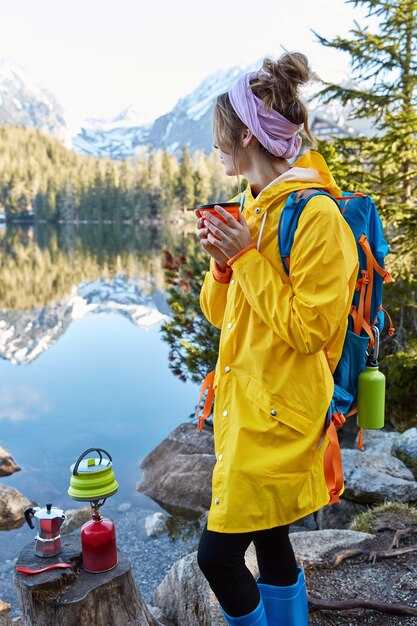
Start with a versatile three-layer setup: a moisture-wicking base layer, a light insulating mid layer, and a waterproof shell with sealed seams. This trio stays comfortable through longer hikes and cool mornings; opt for a bright blue option to boost visibility.
Waterproofs: have two key pieces that cover most weather: a rain jacket and rain pants; opt seam-sealed models with ventilation and adjustable cuffs; store them in a dry sack for quick access; if showers hit, you can don them fast and stay warm on coast trips or island outings.
Snacks: pack high-energy, kid-friendly options in small reusable containers; include items like nuts, dried fruit, cheese sticks, and whole-grain bars; keep portions new and accessible in outer pockets to avoid digging during breaks.
Kids’ bags: for children, select compact bags with padded straps and simple closures. Keep weight light and distribute items so the child carries a small water bottle and a snack, while the adult handles heavier gear.
Practical tips: when traveling in variable climates plan for longer stays to adjust gear calmly. Along routes with varied landscapes, bring a lightweight rain shell and a compact towel for quick detours. Wildlife sightings during boat trips may happen; keep a ready layer and depart quickly if conditions worsen. Check maps and routes with local services to orient through varied regions and terrains.
Book Family-Friendly Fjord Cruises and Easy Rail Trips in Advance
Book ahead to secure family-friendly fjord cruises and straightforward rail segments for a smooth traveller itinerary with teens and little ones.
- Two anchor experiences to lock in first
- oslofjord harbour cruise – 1.5–2 hours, open-air sections, and a concise historical narration from on-board guides. Costs vary with season, typically NOK 260–420 per adult; children discounts apply. Booking online guarantees a spot and preferred start times.
- Myrdal–Flåm rail (Flåmsbana) plus Flåm–Gudvangen cruise through aurland and reinenfjorden landscapes. Rail 60–90 minutes; fjord cruise about 2 hours; total, roughly NOK 600–1100 per person depending on season. Early booking yields better times and seating choices for families.
- Easy rail options to pair with fjord sailing
- fløibanen (Bergen) access to Mount Fløyen: a quick, open-air-friendly ascent (5–7 minutes up and down). Reserve timed entry to avoid queues and keep young travelers engaged with panoramic views.
- Aurland corridor integration: stay in Flam or Aurland to combine Sognefjord sailing with a short train or ferry leg; plan a 2–3 hour block for the boat segment and photo stops along the path.
- Reinefjorden and Oslofjord as extension options
- reinefjorden: add a northern leg with a boat tour from Svolvær or Bodø; typical excursions run 2–3 hours and are best in clear, calm weather for stable open-air viewing.
- oslofjord: a compact add-on at sequence start or finish; pair with a city excursion and, if time allows, a stop at dyreparken waterpark for a down-day with little ones. Strong aurora chances exist in clear autumn skies.
- Practical planning and packing
- weather checks drive timing decisions; weather windows can shift schedules–keep transport options flexible and have a small buffer in the day.
- hotels and logistics: book accommodation near rail hubs or harbour piers to minimize long transfers; select a mix of short and longer day trips to balance energy every day.
- path and safety: open-air segments can be windy; bring layered clothing, waterproof shells, and sturdy shoes; strollers work well in Bergen and Flam areas, but confirm accessibility on each vessel.
- Social and cost-saving tips
- book bundled transport and stays to lock in cost advantages; many operators offer family rates for kids and teens.
- use guides and official portals to check seasonal opportunities and weather forecasts; savvy travellers schedule a few flexible days to catch ideal conditions.
- start planning early in the season to secure the best stand-by slots and avoid sold-out periods; youre more likely to land ideal times for open-air deck views and photo spots.
- Transport, path, and aurland-ready notes
- opt for a compact transport plan: train segments paired with short boat hops; this keeps little ones focused and reduces fatigue.
- maintain a simple path: sunlit harbours, valley stops, and coastlines minimize backtracking and keep every day strong and manageable.
- Bonus ideas for a complete Norwegian itinerary
- dyreparken waterpark: a reliable option for a down-day in Kristiansand if you’re including southern Norway; pair with a hotel stay to avoid back-and-forth travel.
- weather-aware aurora viewing: schedule late autumn evenings with light activity days, and keep a flexible plan for best skies; a few extra nights can pay off for clear evenings at high latitudes.
Choose Short, Safe Hikes and Nature Walks for All Ages
Begin with a 1.5–2 km lake loop near voss, norway: flat, well-marked, stroller-friendly, and safe for young children. It takes about 60 minutes and delivers calm views through birch and pine, with benches at the far end to rest.
For a near waterfall option, follow a 1–1.5 km circuit to a waterfall viewpoint with a gentle grade, railings, and shaded sections. It’s easy to combine with a longer stroll if youre up for a second brief activity, and it includes family-friendly rest areas.
Another kid-friendly choice is a short ridge overlook above the valley, a 2–3 km return hike that offers panoramas of forests, mountain profiles, and distant fjords. The path stays in the tree line and has steady footing, ideal for those who want a real outdoors feel without elevation stress. In some stretches, the trail runs beside a mild whitewater channel that adds motion for curious kids.
Winter routes exist as well: a prepared, flat snow track by a frozen lake near voss provides a light, kid-friendly activity. Dress in layers, check weather, and watch for steam from breath in the cold; keep to daylight hours.
Consider a social, nature safari around wetlands where you can spot birds, insects, and small mammals. It’s a simple, near-town activity that allows all ages to pause, take photos at windows with mountain backdrops, and learn about local cultural habitat.
What to bring and how service helps: water, snacks, and layers; weather updates and restrooms are available at trailheads; wear waterproof footwear and take along a compact rain shell, because weather can shift quickly on river valleys and ridges.
Tip: go during late spring through early autumn when trails dry and daylight hours are longer. Regardless of age, start with the easiest option and take breaks at scenic lookout points for rehydration and photos.
If youre coordinating with a local family, ask about kid-friendly events or cultural programs in the area; many trails connect with small cultural sites and cafe stops that serve local snacks, turning a simple walk into a social outing.
Map Quick Food Stops: Local Eateries, Allergy-Friendly Options, and Cafés Near Attractions
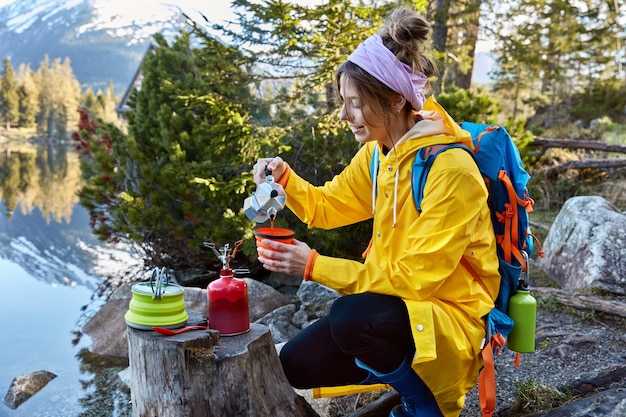
Want a bite plan that stays simple and value-packed? Start with a three-stop loop covering fjærland, a Jotunheimen base village, and a southern coastal village, all within a single map. This loop covers quick eats, including allergy-friendly options, and cafés near attractions–perfect after hiking, exposed, jutting rock, or a sail along the fjord.
In fjærland, look for a family-run bakery and a harbor fish shack with traditional meals and gluten-free options. In Jotunheimen base villages such as Lom or Vågå, you’ll find small cafés offering hearty soups and coffee to go. In a southern village, grab a pastry and a strong espresso before a walk along the quay, close to trailheads and scenic overlooks.
Allergy-friendly options are widely available: seek gluten-free, dairy-free, nut-free, and sesame-free plates. Tell staff about your needs and request separate pans when possible. If you’re with parents and kids who have allergies, you’ll be delighted by cafés that label allergens and keep clean utensils near the cooking area.
Cafés near attractions: look for cozy spots where locals sip coffee after a short hike or a stroll along the coast. In summer and autumn, these cafés offer kid menus, light pastries, and hot chocolate that suits parents and yourself alike. In rocky, northern routes, a warm cinnamon bun can be the perfect re-charge after a long, exposed climb.
Practical tips to maximize value: check hours in october and plan around daylight. Use access passes to reach popular passes and avoid crowds near the most visited areas; many village stores offer takeaway meals to take home or on the go. If you ride a funicular to a lookout, grab a snack to take on the ride. Lock your plan with a compact map and you’ll be delighted with how smooth the day goes.
Route notes to cover your needs: the three hubs–fjærland, a Jotunheimen base village, and a southern coastal village–offer varied areas where you can feed a family or keep a solo day on track. Your past experiences help tailor the stops: some days northern winds require a warm cafe, other days the trails hide behind jutting rock. Yourself and your parents can grab a quick bite, then continue; this map covers your preferences, from to-go bites to relaxed coffee, and helps you take home memories as tasty souvenirs. This route is close to the action and suits travelers who want traditional fare with clear allergen notes.